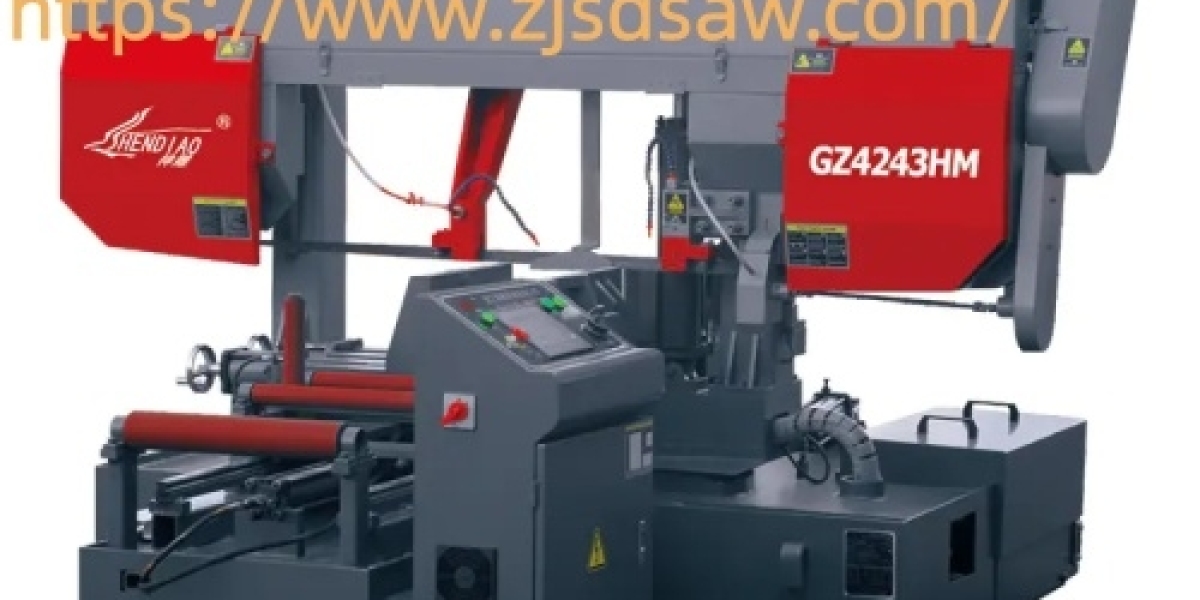

Fully Automatic Angle Cutting Band Saw Machine technology can help metalworking businesses organize repetitive processing tasks, manage angled joints, and maintain consistent production routines. For workshops handling steel profiles, pipes, and structural components, choosing suitable equipment involves more than considering purchase costs. Operators also need to evaluate material capacity, adjustment requirements, labor allocation, maintenance needs, and compatibility with existing production procedures. Chendiao provides industrial sawing equipment designed for different metal processing applications, giving manufacturers options to assess according to their operational requirements.
One important consideration for any fabrication business is the amount of time spent preparing individual workpieces. When employees repeatedly measure stock, reposition materials, adjust equipment, and check dimensions, these activities can interrupt the production schedule. Automated feeding and programmable positioning help reduce repeated manual intervention during suitable production runs. Operators can concentrate on preparing incoming materials, monitoring equipment conditions, and checking finished components while the system manages programmed operations.
Dimensional consistency also matters when preparing parts for welding and assembly. Metal frames, support structures, industrial enclosures, and mechanical components frequently require accurately prepared ends to fit together during subsequent processes. Small variations may lead to additional grinding, alignment adjustments, or material waste. Programmable positioning, appropriate clamping pressure, and controlled blade movement can help maintain repeatable results when the equipment is correctly configured for the material and job requirements.
Before selecting industrial sawing equipment, buyers should review the dimensions and shapes of the materials they process regularly. Round bars, rectangular tubes, solid sections, and structural profiles may require different capacities and operating parameters. Checking the manufacturer's published specifications helps determine whether a particular model can accommodate the intended workload.
The GZ4243HM model presented by Chendiao includes CNC controls, hydraulic clamping, variable feed speed, and programmable positioning functions. Its published specifications list a blade measuring 5375 by 41 by 1.3 millimeters and a total power rating of 5.59 kilowatts. These parameters provide a useful starting point for technical discussions, although buyers should confirm the configuration and suitability for their actual materials before ordering.
Production volume is another factor worth examining. A workshop processing several dozen components daily may have different requirements from a facility managing recurring orders with hundreds of pieces. For repeated batches, programmable settings can reduce setup repetition and help employees follow established procedures. For mixed orders, flexible parameter adjustment becomes important because different alloys, thicknesses, and profiles may require different operating conditions.
Businesses should also consider how the equipment will connect with their existing workflow. Material storage, loading space, finished component handling, electrical supply, and operator access can influence installation planning. A suitable layout helps prevent unnecessary movement between workstations and provides room for routine inspection and servicing. Discussing these details with the supplier before purchase can clarify installation requirements and potential customization options.
Automation can change how employees allocate their time, but it does not eliminate the need for trained supervision. Operators must understand the control interface, material positioning, appropriate operating parameters, and emergency procedures. Protective guards, correctly functioning safety devices, and documented operating instructions remain essential parts of responsible workshop management.
Routine maintenance also contributes to predictable production planning. Blades require inspection and replacement according to their condition and the materials being processed. Coolant levels, hydraulic components, electrical connections, and clamping mechanisms should receive attention according to the manufacturer's maintenance instructions. Keeping service records can help identify recurring issues and support timely maintenance decisions.
Another practical consideration is operator training. Employees should understand how to select suitable settings, recognize unusual vibration or noise, and respond to operational warnings. Clear procedures help maintain consistency between shifts and reduce avoidable interruptions. Businesses should confirm the availability of technical documentation, spare parts, and after sales support when comparing suppliers.
The financial value of industrial equipment depends on how it performs within a particular production environment. Buyers can compare expected labor requirements, material utilization, setup time, maintenance expenses, and projected production volume before making an investment. These figures provide a more realistic basis for evaluating potential operating savings than purchase price alone.
It is also useful to request a technical discussion based on representative workpieces. Providing material dimensions, required quantities, target lengths, and specified joint geometry allows a supplier to assess whether a proposed configuration fits the intended application. Where possible, reviewing sample results and confirming operating conditions can help establish practical expectations before an order is placed.
For metalworking businesses planning to update their production processes, Chendiao offers equipment options for industrial material preparation and fabrication. Reviewing specifications alongside actual workshop requirements can help buyers make informed decisions about capacity, controls, service arrangements, and future production needs. Businesses can review the available product range and discuss suitable configurations through the official website at https://www.zjsdsaw.com/product/ connecting equipment selection with their production goals and planned investment.









