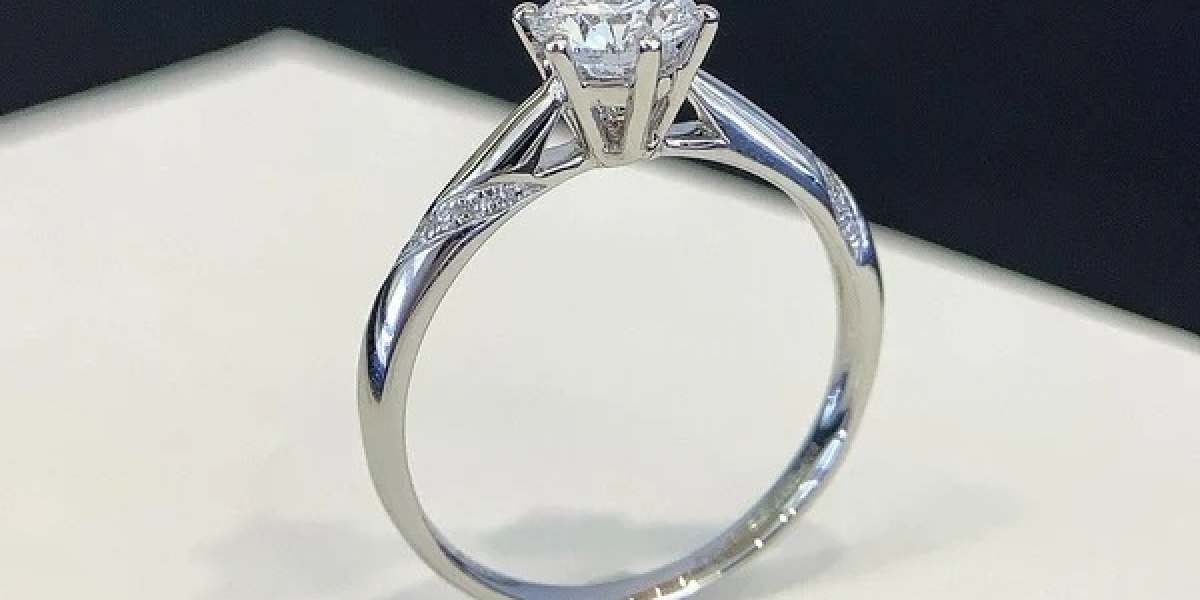

Why Diamond Shape Changes How a Ring Looks
Choosing an engagement ring is exciting, but comparing diamonds can quickly become confusing. Two diamonds with the same carat weight may look different when viewed from above. One might appear wider, while another may look smaller or deeper, even though both weigh the same.
This difference matters when shopping within a fixed budget. The diamond's shape, proportions, and setting all influence how the finished ring looks on your hand. Understanding these details can help you choose a ring that feels right without spending more than you planned.
For shoppers considering affordable engagement rings under $1000, the goal is not simply to find the largest diamond. It is to find a shape and setting that work well together and match your personal taste.
What Does Face-Up Size Mean?
Face-up size refers to how large a diamond appears when you look directly down at it while it is set or resting face-up. It is different from carat weight, which measures how much the diamond weighs.
Two diamonds with equal carat weights can have different face-up measurements because their proportions and cuts are not identical. A diamond with a larger table or a wider outline may look bigger from above, while a deeper stone may carry more of its weight below the surface.
Why Carat Weight Does Not Tell the Whole Story
Carat weight is useful when comparing diamonds, but it should not be your only deciding factor. A heavier diamond does not automatically look larger on the finger.
For example, a round diamond and an oval diamond of similar weight can create very different impressions. The oval shape stretches across the finger, while the round shape creates a balanced outline. Your choice depends on whether you prefer a compact appearance or a longer look.
Measurements in millimeters can help you compare stones more accurately than carat weight alone. Ask for the diamond's length and width before making your final decision.
How Popular Diamond Shapes Affect Appearance
Different diamond shapes create different visual effects. Knowing what to expect can help you narrow down your options before comparing individual rings.
Round Diamonds for a Balanced Look
Round diamonds have a familiar circular outline that suits many ring styles. Their proportions can create a balanced appearance, and a well-cut round diamond can return light effectively.
However, round diamonds may cost more per carat than some other shapes. If you prefer this design, compare the actual measurements and cut quality rather than choosing a stone based only on its weight.
Oval Diamonds for a Longer Outline
Oval diamonds have an elongated shape that can make the center stone look larger across the finger than a round diamond of similar weight. Their length may also create the impression of longer fingers.
Pay attention to the oval's length-to-width ratio. A narrower oval looks more stretched, while a wider one has a softer outline. Some oval diamonds also show a dark bow-tie area across the center, so examine the stone carefully before choosing it.
Pear Diamonds for a Distinctive Shape
Pear diamonds combine a rounded end with a pointed tip. Their outline gives a ring a different look without requiring extra side stones or a complicated setting.
Check the symmetry of the shoulders and point. A well-balanced pear should not look noticeably lopsided. Also consider the direction in which the point faces, since this affects the overall appearance of the finished ring.
Cushion Diamonds for a Fuller Outline
Cushion diamonds combine rounded corners with a square or rectangular shape. Depending on their proportions, they can look broad and substantial.
Some cushion cuts have a larger face-up area than others of the same weight. Compare their millimeter measurements and look at the actual diamond, because the outline alone does not tell you how much surface area will be visible.
Emerald and Radiant Cuts for Different Styles
Emerald-cut diamonds have long, straight edges and step-like facets. Their open appearance makes clarity and visible inclusions especially important.
Radiant-cut diamonds have trimmed corners and many facets that create a different pattern of light. They may offer a lively appearance while retaining a square or rectangular outline. Both shapes are worth considering if you prefer a diamond that looks less rounded.
How to Compare Diamonds Before Buying
When comparing lab grown diamond engagement rings under $1000, use a few practical checks instead of relying on product photos alone.
Compare measurements: Check the length and width in millimeters, not just the carat weight.
Review the proportions: Look for a shape that matches your preference for a wider, longer, or more compact appearance.
Inspect the diamond: View videos or clear images from different angles to check symmetry, brightness, and visible dark areas.
Consider the setting: A bezel, solitaire, or side-stone setting can change how large and prominent the center diamond appears.
Check the certification: For a certified lab grown diamond, review the grading report and confirm that the stone's details match the listing.
Think about everyday wear: Pointed shapes may need protective prongs or a suitable setting to reduce the risk of damage.
A few minutes spent comparing these details can prevent disappointment when the ring arrives.
Choose a Setting That Supports Your Diamond Shape
The setting affects more than appearance. It also influences protection, comfort, and the amount of attention the center stone receives.
A simple solitaire keeps the focus on the diamond itself. A bezel setting surrounds the stone's edge with metal and can offer additional protection. Side stones add width and detail, while a raised setting allows more light to reach the center from the sides but may catch on clothing.
If you prefer an oval or pear diamond, pay close attention to the protection around the pointed or curved ends. Round and cushion shapes may offer different practical considerations depending on their setting and corner design.
Metal choice matters, too. Yellow gold, white gold, and platinum create different contrasts with a diamond. Choose a combination that suits your taste and fits within your overall budget.
Making Your Budget Work for You
A clear budget makes the shopping process easier. Decide which details matter most before comparing individual rings. You might prefer a particular diamond shape, a larger visible surface, a protective setting, or a certain metal.
You do not need to maximize every feature at once. A well-proportioned diamond in a simple setting may suit you better than a heavier stone with proportions you do not like. Remember to account for taxes, shipping, resizing, and any additional costs that apply to your purchase.
Antiquecut offers options for shoppers comparing different ring styles and price points, making it easier to explore designs while keeping your spending limit in mind.
Start Exploring affordable engagement rings under $1000 to compare available designs and find a style that suits your preferences.
Make Your Final Choice With Confidence
The best engagement ring is one that feels right when you look at it and wear it. Diamond shape affects the outline, face-up measurements help explain its visible size, and the setting determines how the stone sits on your finger.
Before buying, compare measurements, inspect the diamond from different angles, and think about how the ring will fit into everyday life. If two diamonds have similar carat weights, choose the one whose shape and proportions appeal to you most.
With a little research and a clear budget, you can find a ring that feels special without making the decision more complicated than it needs to be.









