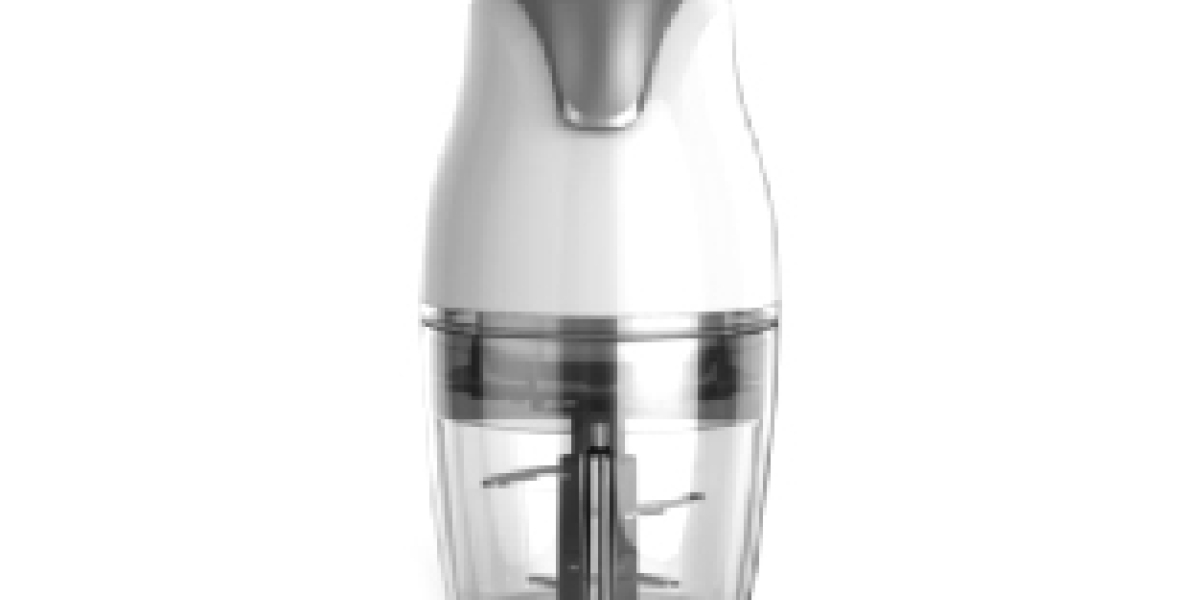

Milk frothers have become useful accessories for people who enjoy preparing café-style beverages at home, in offices, and in hospitality environments. Their ability to create foam or warm milk makes them suitable for drinks such as cappuccinos, lattes, and hot chocolate. For businesses sourcing these products, working with a capable Milk Frother Manufacturer involves more than selecting an attractive exterior. Product performance depends on coordinated mechanical design, suitable materials, electrical engineering where applicable, and manufacturing processes that support consistent quality.
Different frother designs serve different usage needs. Handheld models are compact and generally use a rotating whisk to introduce air into milk, while jug-style electric models may combine frothing and heating functions in one appliance. Some products are designed primarily for cold foam, whereas others provide hot milk preparation or multiple operating modes. Buyers should identify the intended application before comparing products, because the internal structure, control system, and cleaning requirements can vary significantly between designs.
Whisk structure is one of the central elements affecting frothing performance. The shape, size, and movement of the whisk influence how air is incorporated into the liquid. A well-designed mechanism should operate smoothly and suit the capacity and shape of the container. If the whisk is poorly matched to the vessel, users may experience uneven foam or difficulty processing small quantities. Product development therefore requires attention to the relationship between the motor, whisk assembly, container geometry, and operating speed.
Materials also influence product durability and everyday usability. Stainless steel is commonly used for whisk components and certain jug bodies because it can provide strength and corrosion resistance when properly selected and maintained. Food-contact plastics may be used in handles, lids, or outer components, depending on the design and applicable requirements. For heated models, the interior surface should be appropriate for contact with milk and practical to clean. Material selection should consider not only appearance and cost but also heat exposure, surface condition, cleaning methods, and expected product use.
Heating technology introduces additional engineering considerations. In an electric jug-style frother, the heating element, temperature control, container base, and electrical components need to function as an integrated system. Temperature regulation can help the appliance follow its intended operating cycle, while suitable protective features may reduce risks associated with abnormal use. Depending on the product design, features may include automatic shutoff, dry-operation protection, or controls that distinguish between heating and frothing functions. The actual features and operating limits should always be confirmed against the specific model documentation.
For rechargeable or cordless products, battery design and power management are also important. The battery system must be appropriate for the appliance’s motor and, where included, its heating requirements. Buyers should verify charging arrangements, battery configuration, operating modes, and expected use conditions with the supplier rather than assuming that all cordless models offer the same performance. Clear instructions for charging, storage, and cleaning can help users handle the appliance correctly and maintain it through regular use.
Manufacturing quality depends on repeatable production and inspection procedures. Relevant checks may include whisk alignment, motor operation, lid fit, control response, container finish, heating function, and electrical safety where applicable. For heated products, testing should confirm that the unit operates according to its design and that protective functions respond as intended. Inspection criteria should be defined before mass production so that suppliers and buyers share a clear understanding of acceptable product quality.
A professional Milk Frother Manufacturer should also be prepared to discuss product customization and market requirements. Importers may need different plug configurations, packaging languages, branding treatments, or retail box designs for different destinations. Wholesalers may prioritize stable lead times, consistent product specifications, and practical carton arrangements. Retailers may focus on ease of use, clear instructions, cleaning convenience, and the balance between features and price. Discussing these requirements early can reduce misunderstandings during sampling, production, and shipment.
Maintenance is another consideration that affects customer satisfaction. Milk residue can accumulate if the container or whisk is not cleaned promptly, particularly in products that heat milk. A design with accessible surfaces and straightforward cleaning instructions can make regular maintenance easier. Buyers should confirm which components can be removed, which areas must remain dry, and whether the product is suitable for rinsing or immersion. Clear guidance helps prevent misuse and supports a better ownership experience.
Packaging and product documentation complete the sourcing process. Protective packaging should limit movement and reduce the likelihood of scratches or impact damage during transport. Instructions should explain operating modes, filling limits, cleaning procedures, and relevant safety precautions. For larger orders, consistent product labeling and carton identification can also help simplify warehouse management and distribution.
Selecting a supplier requires a balanced review of product design, material quality, testing procedures, documentation, and communication. Buyers who assess these factors alongside target-market requirements can make more informed sourcing decisions and build a clearer basis for long-term cooperation. To explore available beverage preparation products and related small kitchen appliances, visit https://www.blmeas.com/product/milk-frother/ for further product information.









