
Quick Answer: Casio Pro Trek solar pairs altimeter, barometer, and compass sensors with light-powered charging that removes battery replacement, which matters outdoors where a dead battery cannot be resolved on the spot. The PRG-70-1V covers solar, the PRG-40-3V the triple sensor suite, and the PRG-40T adds titanium for reduced weight.
Pro Trek adds altimeter, barometer, and compass sensors to a Casio. Solar charging matters more here than on most watches, because a dead battery in the field is a genuine problem.
Why Solar Matters Outdoors
A battery failing far from anywhere is an inconvenience you cannot resolve on the spot. Solar charging removes that entirely, and it also keeps the case sealed against moisture and dust ingress over long ownership.
The Solar Reference
The Casio Pathfinder Protrek Solar Powered PRG-70-1V delivers light-powered charging alongside the outdoor sensor suite.
The Triple Sensor Platform
The Casio Protrek Triple Sensor PRG-40-3V covers altimeter, barometer, and compass functions, which is the core Pro Trek proposition.
The Titanium Option
The Casio Protrek Triple Sensor Titanium PRG-40T-7VDR adds titanium construction, which reduces weight meaningfully on a watch worn through long days outdoors.
What Triple Sensor Means
Altimeter, barometer, and compass combined. The altimeter estimates elevation from air pressure, the barometer tracks pressure trends useful for predicting weather changes, and the digital compass gives direction.
Reading the Barometer Properly
The useful function is the trend rather than the absolute figure. A falling trend often indicates deteriorating weather approaching, which genuinely affects decisions in the field. Learning the trend graph is what makes the sensor worthwhile.
Altimeter Calibration Is Essential
Altimeters estimate elevation from air pressure, which changes with weather as well as altitude. Readings drift as conditions change, so calibrating at a known elevation before and during a walk is necessary rather than optional.
The Compass Caveat
Digital compasses need periodic calibration and are affected by nearby metal and magnetic fields. They work well used correctly and poorly when assumed infallible, which matters if you rely on one for navigation.
The Honest Test
Will you calibrate the altimeter and learn the barometric trend display? If yes, Pro Trek earns its place. If no, you are paying for functions that go unused, and a tougher G-Shock delivers better durability per pound.
The Toughness Alternative
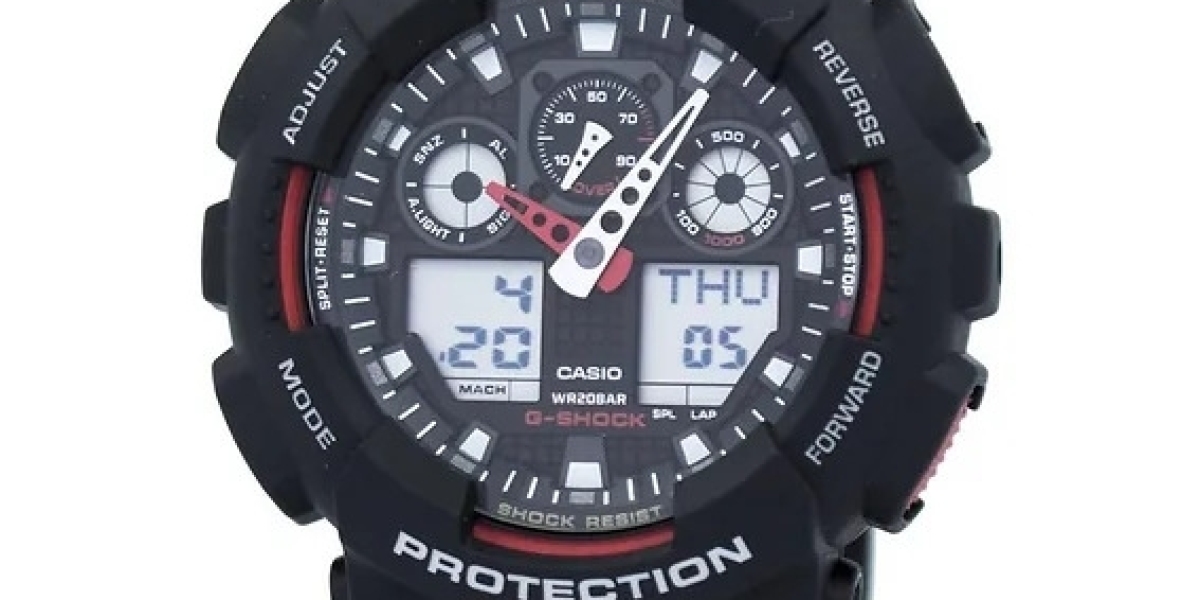
The Casio G-Shock Illuminator DW-5600E covers maximum shock resistance without sensors, which suits buyers who want durability rather than instrumentation.
Water Resistance
Verify the specific rating, since outdoor use frequently involves sustained wet conditions rather than brief immersion, which is a different demand from occasional splashes.
Measuring Your Wrist Properly
Measure the flat width across the top of your wrist rather than the circumference, since that flat span is what the lug-to-lug measurement must sit within. A watch whose lug-to-lug exceeds your wrist width will overhang the edges and feel wrong regardless of how good its specification is. This takes under a minute and resolves the most common source of purchase regret.
Total Ownership Cost
Solar removes battery replacement entirely, and the rechargeable cell gradually loses capacity across many years as a service item. Across a decade this costs considerably less than repeated battery changes on a sealed outdoor case.
Common Mistakes to Avoid
Buying sensors that will never be calibrated is the most wasteful. Reading absolute barometric pressure rather than the trend is the most self-defeating. Assuming a digital compass is infallible is the most risky. Overlooking case thickness under a jacket cuff is the most uncomfortable.
Judging Value Honestly
The most reliable way to assess any watch is separating three things: build quality, movement specification, and brand value. All three are legitimate reasons to pay, but conflating them produces confused comparisons. A watch leading on one and trailing on another is not worse than one scoring moderately across all three, provided it leads on the attribute you actually care about.
Total Ownership Cost
Purchase price is only part of the picture. Mechanical watches need periodic professional servicing, conventional quartz needs battery replacement every few years, and light-powered references need eventual cell replacement after a decade or more. Factoring these in gives a far truer comparison than purchase price alone.
Buying From Reputable Sellers
Authentic product with proper warranty coverage and a workable returns position matters more than the channel itself. Clear returns terms effectively replace the reassurance that handling a watch in person would provide, which is what makes confident online buying possible at every price point.
Living With the Watch Day to Day
How a watch behaves across a week matters more than how it reads on a specification sheet. Consider whether it needs winding or resetting after sitting unworn, whether you can read it quickly in the situations you actually encounter, whether it sits comfortably under a cuff, and whether the strap suits the activity you wear it in.
Setting Expectations Before You Buy
The most reliable predictor of satisfaction is whether expectations matched what the watch was built to deliver. A watch optimised for durability will not feel refined, one optimised for finishing will not survive rough treatment, and one optimised for accuracy will not carry mechanical character. None of those is a flaw; each is the result of a deliberate design priority. Identifying which priority a watch was built around, and whether it matches yours, prevents nearly every form of buyer disappointment.
The Bottom Line
Pro Trek solar pairs outdoor sensors with charging that never fails in the field, which is where the technology earns its keep. Decide honestly whether you will calibrate and use the sensors. Browse the Casio Protrek collection.
Frequently Asked Questions
Why does solar matter on Pro Trek?
A battery failing far from anywhere is an inconvenience you cannot resolve on the spot, and solar also keeps the case sealed against moisture and dust.
What does Triple Sensor mean?
Altimeter, barometer, and compass combined, covering elevation estimation, pressure trends for weather prediction, and direction finding.
How should I use the barometer?
Read the trend rather than the absolute figure, since a falling trend often indicates deteriorating weather approaching.
Does the altimeter need calibrating?
Yes. It estimates elevation from air pressure which changes with weather, so calibrate at known elevations before and during a walk.
Is the digital compass reliable?
It works well calibrated and used correctly, but is affected by nearby metal and magnetic fields, so it is not infallible.
What is the honest test for Pro Trek?
Whether you will calibrate the altimeter and learn the barometric trend display. If not, a tougher G-Shock delivers better durability per pound.
Is titanium available?
Yes, on references like the PRG-40T, which reduces weight meaningfully on a watch worn through long days outdoors.
Verdict
Pro Trek solar pairs outdoor sensors with charging that never fails in the field, which is where the technology genuinely earns its keep. Decide honestly whether you will calibrate the altimeter and read the barometric trend, since a G-Shock delivers better durability per pound otherwise. Browse the Casio Protrek collection.