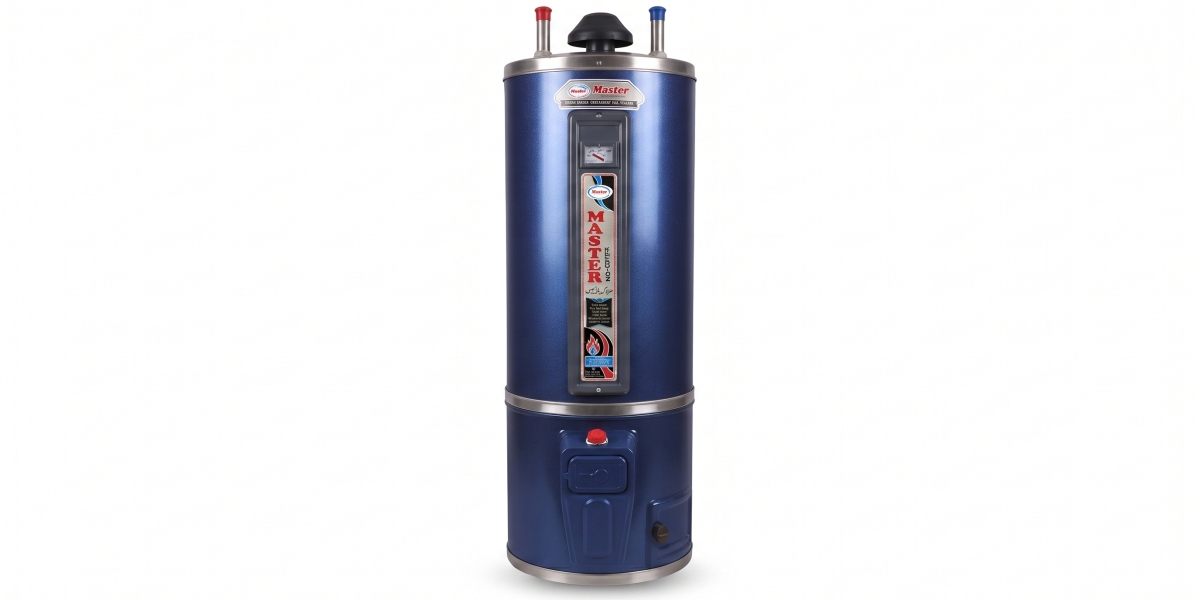

Choosing a water heating appliance is an important household decision, particularly in regions where winter temperatures make hot water essential for everyday comfort. Buyers need to consider more than the initial price, including energy consumption, heating capacity, installation requirements, and long term maintenance. Visiting a reliable manual gas and electric geyser shop can be one way to compare available options, but understanding the differences between heating technologies beforehand makes it easier to identify an appliance that genuinely suits your household.
Understanding Gas and Electric Water Heating Systems
Gas and electric water heaters serve the same basic purpose, but they generate heat differently. Gas powered appliances burn fuel to heat water, while electric models use heating elements to transfer energy into the water.
Manual ignition systems require the user to follow a specified starting procedure. Electric models generally operate through electrical controls, although the exact mechanism depends on whether the appliance uses a storage tank or heats water on demand.
Each design has different installation and operating requirements. Gas appliances need a compatible fuel supply and appropriate ventilation, while electric models require a properly rated electrical circuit and suitable protective devices.
Understanding these distinctions helps buyers compare products according to their household infrastructure instead of choosing a model based only on appearance or advertised features.
Comparing Heating Performance and Convenience
The best heating system depends on how much hot water a household uses and when it is needed.
Gas Powered Appliances
Gas water heaters can provide relatively rapid heating when the appliance is correctly sized and supplied with suitable gas pressure. They may be practical for households with a reliable gas connection and appropriate installation facilities.
However, actual performance depends on the appliance's heating capacity, water flow, incoming water temperature, and fuel supply. Manual ignition also requires users to follow the manufacturer's instructions carefully.
Before purchasing, check the rated gas consumption, operating pressure requirements, available safety mechanisms, and recommended maintenance schedule. These specifications help determine whether a particular model is appropriate for daily use.
Electric Water Heaters
Electric models are often suitable for properties where the electrical infrastructure can support their power requirements. Storage units heat water in an insulated tank, allowing it to remain available after the heating cycle. Instantaneous models use a different approach, heating water as it passes through the appliance.
Storage capacity, heating element power, insulation quality, and recovery time all influence performance. A larger tank may suit a family with substantial hot water demand, while a smaller unit can be sufficient for limited usage.
Electric appliances still require careful installation. Correct wiring, earthing, circuit protection, and compliance with the manufacturer's instructions are essential for safe operation.
Factors to Evaluate Before Making a Purchase
Comparing a few essential specifications can prevent unnecessary expenses and help ensure that the selected appliance meets everyday requirements.
Household Size and Water Consumption
Start by estimating how much hot water your household uses. A family with several members who bathe consecutively may need greater storage capacity or faster heating performance than a smaller household.
Consider whether hot water is needed simultaneously in bathrooms and kitchens. For instantaneous models, check the rated flow rate and the temperature increase the appliance can provide under specified conditions.
Selecting an appropriately sized unit helps balance comfort, purchase cost, and energy consumption.
Energy Costs and Availability
The cheapest appliance to purchase is not necessarily the least expensive to operate. Gas and electricity tariffs, supply reliability, heating efficiency, and maintenance costs all affect total ownership expenses.
Compare the estimated energy consumption of suitable models and consider how frequently the appliance will operate. Where energy prices fluctuate or supply interruptions are common, reliability may be just as important as efficiency.
Build Quality and Warranty
Construction materials, component quality, corrosion protection, and insulation can influence an appliance's durability. Buyers should review warranty conditions and check whether replacement parts and authorised repair services are readily available.
A clearly documented warranty can help explain which faults are covered and how repairs are handled. It is also worth checking whether regular servicing is required to maintain warranty eligibility.
Why Installation Requirements Matter
The installation environment can determine which water heater is suitable for a particular property.
Gas appliances require appropriate fuel connections, combustion air, ventilation, and exhaust arrangements according to the specific design. They should be installed by qualified professionals who understand the relevant safety standards.
Electric models need wiring and protective equipment appropriate for their rated load. Their installation location must also be suitable for the appliance's water connections, electrical requirements, and maintenance access.
Carbon monoxide presents a serious risk with gas appliances because it is colourless and odourless. Correct combustion, appropriate ventilation, suitable exhaust arrangements, and professional inspection are essential. An appropriately installed carbon monoxide alarm can provide an additional layer of protection.
Never bypass safety mechanisms or attempt unqualified repairs involving gas valves, electrical connections, or internal heating components.
Getting Better Value From Your Water Heater
Long term value depends on how efficiently the appliance operates and how well it is maintained. Several practical habits can help reduce unnecessary energy consumption.
Choose a heating capacity suited to actual household demand.
Avoid unnecessarily high temperature settings and excessive hot water use.
Repair leaking taps and faulty plumbing promptly.
Insulate compatible hot water pipes to reduce heat loss.
Follow the manufacturer's recommended servicing schedule.
Arrange professional inspections when heating becomes inconsistent or unusual noises develop.
These measures help maintain performance while reducing the likelihood of avoidable repairs. For storage models, suitable insulation is particularly important because it limits heat loss between heating cycles.
How to Compare Available Products Effectively
When reviewing different models, create a simple comparison based on the factors that matter most to your household. Record the purchase price, heating capacity, energy requirements, warranty period, installation expenses, and expected maintenance needs.
Ask for the manufacturer's technical documentation rather than relying entirely on verbal claims. Confirm that the model is compatible with your gas supply or electrical system and that qualified service support is available.
If several appliances appear similar, compare their specifications and safety provisions carefully. A product with a slightly higher purchase price may offer better long term value if it is more appropriate for your usage and easier to maintain.
Making a Confident Buying Decision
A suitable water heater should deliver dependable hot water without creating unnecessary operating costs or installation complications. Gas and electric models can both serve households effectively when their specifications match the property's infrastructure and the family's daily routines.
Taking time to compare heating performance, energy costs, construction quality, warranty support, and safety requirements is more useful than making a quick decision based solely on price. An informed purchase can improve household comfort and make maintenance more predictable over the appliance's useful life.
Frequently Asked Questions
Which water heating system is better for a family?
The answer depends on household size, hot water demand, available energy sources, installation conditions, and operating costs. Compare suitable models against your actual requirements.
How do I choose the correct capacity?
Consider the number of household members, bathing schedules, simultaneous water use, and the appliance's heating performance.
Are electric water heaters expensive to operate?
Their running costs depend on electricity tariffs, power consumption, insulation, and usage frequency. Compare estimated consumption before selecting a model.
What should I check before purchasing a gas appliance?
Verify gas compatibility, heating capacity, installation requirements, safety provisions, warranty coverage, and access to qualified servicing.
How can I keep a water heater working efficiently?
Use appropriate settings, address leaks promptly, follow the maintenance schedule, and arrange professional inspections when needed.