
Selecting a suitable manufacturing partner is an important decision for importers, distributors, and businesses developing a two-wheel vehicle product line. Beyond purchase price, buyers need to evaluate production capacity, component sourcing, quality management, customization options, and export experience. A China Scooter Factory may offer access to established manufacturing networks and a variety of product configurations, but each supplier should be assessed against the buyer's technical requirements, target market, and long-term commercial objectives.
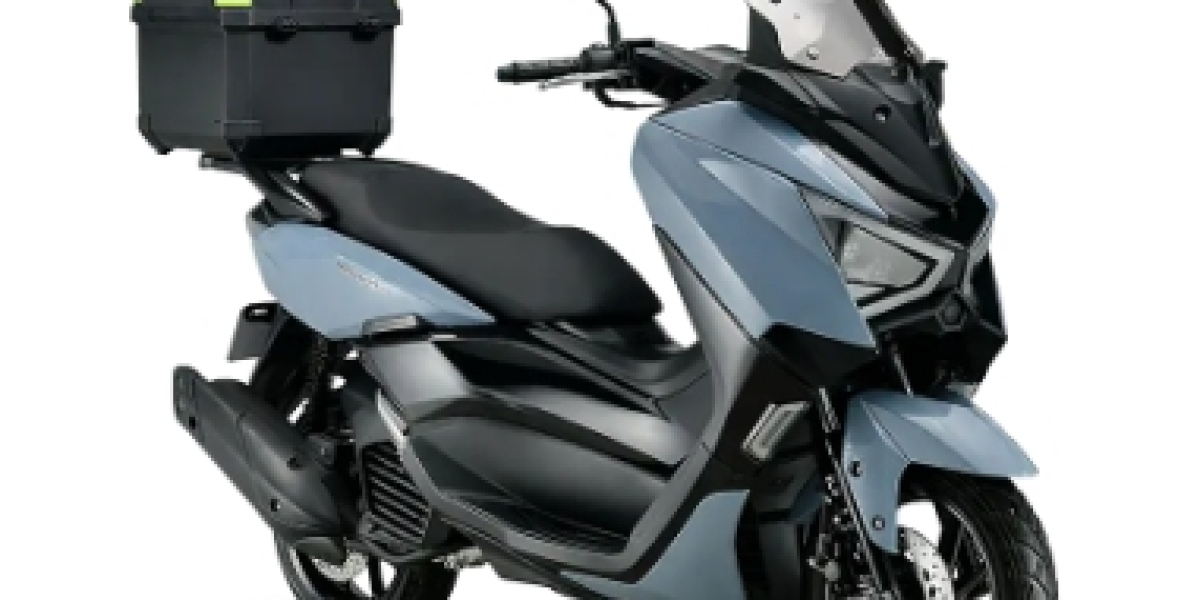
One of the first steps in supplier evaluation is understanding the factory's product range. Different scooters may vary in engine configuration, frame design, body panels, braking systems, electrical equipment, and intended operating conditions. Buyers should identify which models best match their customers and ask for clear specifications for each proposed configuration. Product photographs alone are not enough to establish compatibility, so written technical information and sample inspections can help buyers make more informed decisions before confirming an order.
Production capability is another key consideration. A supplier should be able to explain its assembly workflow, component inspection procedures, finished-product checks, and approach to handling defects. Buyers can ask how production schedules are managed, how changes are communicated, and how the factory maintains consistency between samples and bulk orders. A transparent process makes it easier to understand manufacturing lead times and assess whether the supplier can support the planned order volume.
Component quality has a direct influence on vehicle reliability and maintenance requirements. Frames, tires, suspension systems, braking components, electrical parts, and engine-related assemblies should be selected according to the product's intended use and applicable requirements. Importers should discuss the expected component specifications before production starts. If substitutions may be necessary because of supply constraints, the approval process should be agreed upon in advance. Documented component controls help prevent unexpected differences between the approved sample and the delivered goods.
Quality assurance should cover more than the final visual inspection. Incoming materials can be checked against purchase specifications, while assembly operations can include checkpoints for fit, fastening, wiring, and other relevant characteristics. Finished scooters may require functional checks based on their design and the manufacturer's established procedures. Records of inspections and corrective actions help identify recurring problems and provide a basis for improving production. Buyers may also consider pre-shipment inspections when order size, destination requirements, or product complexity makes additional verification valuable.
Customization can be important for businesses building their own brands or serving specific customer groups. Depending on the manufacturer's capabilities, options may include color selection, branding, packaging, seat materials, accessories, or selected component configurations. However, customization should be discussed in practical terms. Importers should confirm minimum order quantities, artwork requirements, sample approval procedures, additional costs, and the effect of changes on delivery schedules. Any modification affecting regulated systems or technical performance should receive appropriate review before production approval.
Communication and documentation are equally important in cross-border procurement. A professional supplier should clarify quotation details, payment terms, production milestones, packing methods, shipping arrangements, and the documents available for export. Buyers should establish one agreed specification for each model and ensure that both parties use the same revision. Written confirmation reduces the risk of misunderstandings about colors, accessories, labels, packaging, and other order details. It also provides a clearer reference if a discrepancy occurs during inspection or after delivery.
Importers should assess regulatory requirements for the destination market before finalizing product selection. Depending on the jurisdiction and vehicle classification, requirements may involve emissions, safety, labeling, import procedures, or registration documentation. A factory's experience with international orders can be useful, but it does not automatically guarantee that every model is approved for every country. Buyers should verify the specific requirements that apply to the intended configuration and clarify which documents the manufacturer can provide and which tasks must be handled by the importer.
Total procurement cost should include more than the unit quotation. Packaging, inland transportation, international freight, insurance, customs duties, inspection, spare parts, and after-sales support may affect the final business calculation. Comparing suppliers using the same specifications and delivery assumptions creates a more meaningful assessment than choosing the lowest initial price. Importers should also consider how a supplier responds to technical questions and handles issues, since communication quality can influence the efficiency of future orders.
Working with a China Scooter Factory is most effective when buyers combine clear specifications with systematic supplier evaluation and ongoing quality communication. Establishing expectations before production helps both sides manage changes, reduce avoidable errors, and build a more predictable supply relationship. Businesses exploring scooter and motorcycle sourcing can review the product range and contact information available at https://www.zw-motor.com/product/scooter-motorcycle/ to discuss product configurations, manufacturing requirements, and potential cooperation.