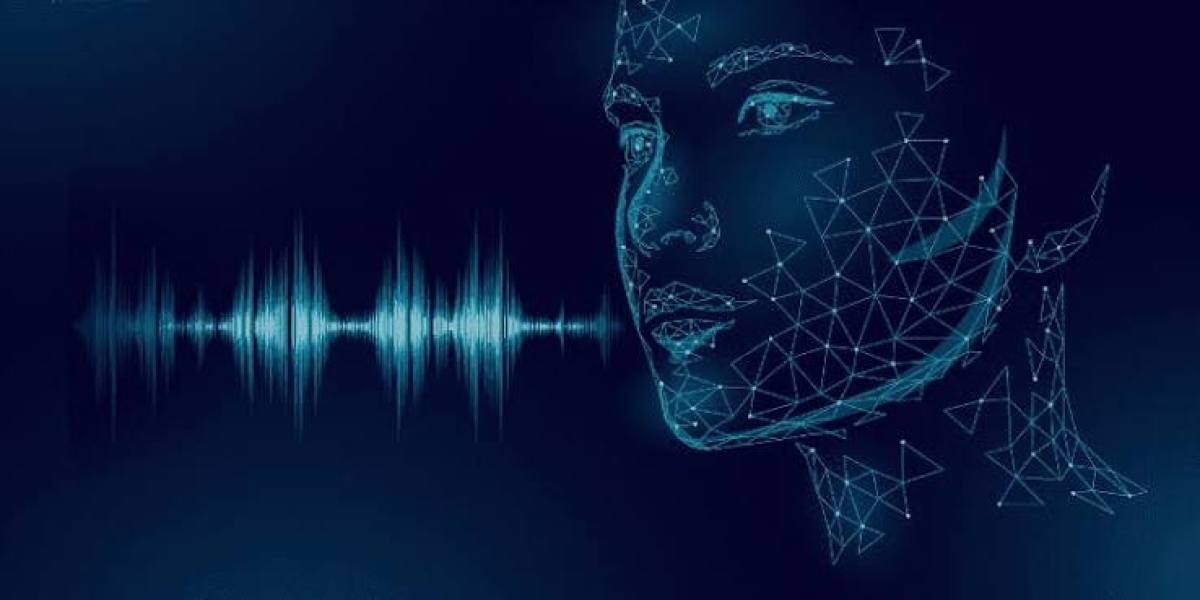

Voice biometrics identifies or verifies individuals by analysing distinctive characteristics within their speech. Instead of checking what a person says, the technology evaluates features such as pitch, rhythm, tone, pronunciation, and vocal patterns. It is increasingly used in banking, insurance, telecommunications, healthcare, government services, contact centres, and connected devices where organisations need convenient identity verification without adding complicated steps for users.
A recent study by Markntel Advisor highlights that the global voice biometrics landscape was valued at USD 2.88 billion in 2025. It is projected to grow from USD 3.55 billion in 2026 to USD 12.50 billion by 2032, registering a CAGR of 23.34% during 2026–2032. Expansion reflects digital banking, remote customer service, fraud prevention, contact-centre automation, and demand for password-free authentication.
Voice Authentication Simplifies Customer Access
Traditional authentication methods often require customers to remember passwords, answer security questions, or enter one-time codes. These steps can slow service interactions and create difficulties when users forget credentials or lose access to registered devices.
Voice biometrics offers a less disruptive alternative by comparing a caller’s speech with an enrolled voice template. The US National Institute of Standards and Technology defines speaker recognition as comparing human speech samples to determine whether they were produced by the same speaker. NIST research on speaker recognition has also supported standards and evaluation methods for voice biometric technologies.
Contact Centres Support Wider Deployment
Banks, telecom operators, insurers, healthcare providers, and government agencies handle large volumes of telephone interactions. Agents must verify callers before discussing accounts, processing transactions, or changing personal information.
Passive voice biometrics can analyse natural conversation without requiring callers to repeat a fixed phrase. According to the supplied study, passive systems held a significant 60% share in 2026. This approach can shorten verification time while allowing fraud-detection systems to examine voices across different interactions.
Financial Services Strengthen Fraud Prevention
Financial institutions face risks from account takeover, stolen credentials, social engineering, and fraudulent calls. Voice biometrics can add another identity signal by comparing a live caller against an authorised customer’s stored template or a watchlist of previously identified fraudsters.
The technology is generally more effective when combined with device intelligence, behavioural analysis, transaction monitoring, and contextual risk assessment. A voice match should not automatically replace every other control, particularly for high-value transfers or unusual account activity.
Artificial Intelligence Improves Recognition
Modern voice biometric systems use machine learning to analyse complex speech characteristics across different microphones, devices, languages, and communication channels. Continued model development is improving performance under conditions involving background noise, short speech samples, and changing vocal quality.
NIST’s recent speaker-recognition evaluations include conversational telephone speech, audio extracted from video, multilingual speakers, and recordings of different lengths. These testing conditions reflect the practical challenges that systems encounter outside controlled environments.
Synthetic Voices Create New Security Challenges
Advances in generative artificial intelligence have made synthetic and cloned voices more realistic. Attackers may attempt to imitate customers, employees, or executives during telephone calls and remote transactions.
Voice biometric systems consequently require presentation-attack detection, replay detection, liveness controls, and additional risk signals. The European Union Agency for Cybersecurity explains that attempts to deceive biometric recognition during data capture are known as presentation attacks. Its remote identity-proofing guidance identifies voice among the biometric elements that may require protection against such attacks.
Privacy Requires Careful Data Governance
Voice recordings and biometric templates can contain sensitive personal information. Organisations must clearly define why the information is collected, how long it is retained, who can access it, and how it is protected.
The UK Information Commissioner’s Office explains that biometric recognition begins with capturing a physical, biological, or behavioural characteristic and creating a biometric sample and template. Its biometric recognition guidance also emphasises lawful processing, transparency, security, and accountability.
Multimodal Authentication Shapes Future Adoption
Voice biometrics is increasingly being integrated with facial recognition, device information, behavioural patterns, passwords, and one-time codes. Combining several signals can reduce dependence on any single method and allow authentication requirements to change according to transaction risk.
Global voice biometrics adoption will depend on recognition accuracy, fraud resistance, privacy safeguards, and reliable performance across languages and communication channels. As organisations seek smoother digital access without weakening security, voice-based verification will remain an important component of modern identity-management systems.










