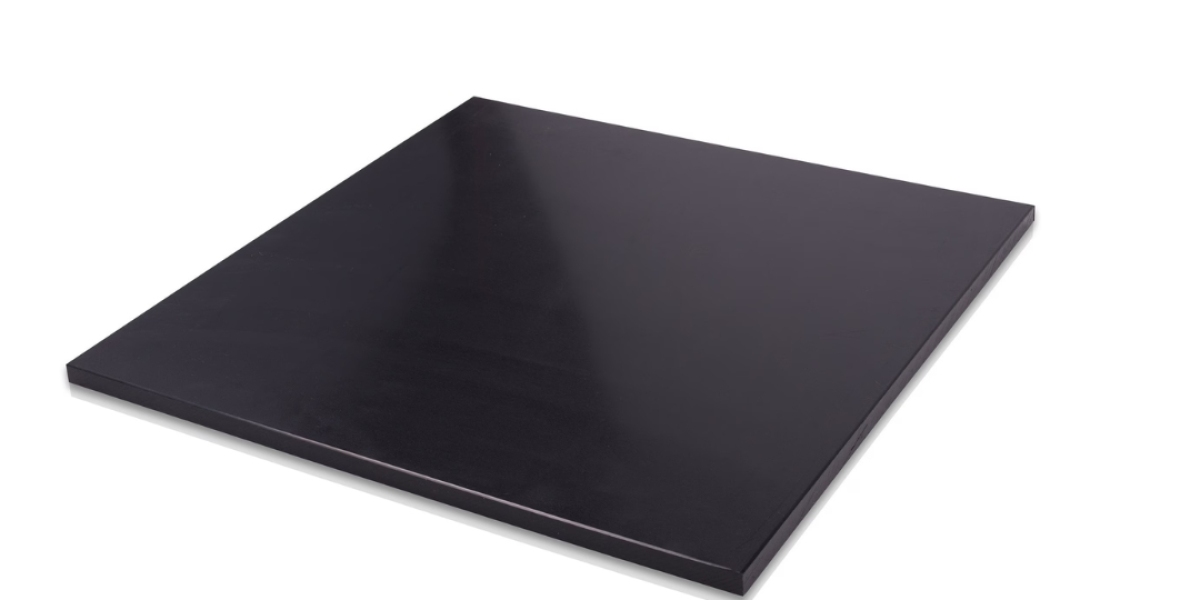

Understanding High-Density Polyethylene Formulations
High-density polyethylene is an advanced engineering polymer developed to endure extreme environmental conditions and highly corrosive chemical atmospheres. It is produced by using controlled polymerization procedures that result in a very linear molecular structure containing little or no branching. Due to the tight arrangement of the polymer chains within the material, it exhibits high tensile strength, structural rigidity, and excellent resistance to fluid absorption. When used in harsh industrial settings, the engineered sheet will maintain its shape, surface integrity, and overall structural performance while being subjected to corrosive media. Therefore, in most industrial applications where heavy-duty Polyethylene Sheets are needed, they will act as a first line of defense against active chemical solutions.
Primary Chemical Resistance Properties
Engineered polyethylene is highly stable at the molecular level, making it virtually impervious to corrosion caused by acid, alkali, and salt. Unlike most metals and lower quality plastics which can be damaged by corrosive media, high-density sheet products are chemically inert. High density sheets have a non-porous surface which prevents chemical absorption, micro-cracking and material degradation during long-term service. High-density sheets are specified for application in containment environments with continuous exposure to corrosive chemicals which will degrade other types of materials. Because high-density sheets do not react with chemicals, process solutions used in the system will not become contaminated; furthermore, the containment surfaces themselves will remain intact.
Industrial Applications in Chemical Storage
High density sheets are used to line reaction vessels, storage tanks, transport tankers, and industrial containment pits to contain chemicals that may cause harm if they were to spill. Chemical containment facilities rely heavily upon the use of dependable lining systems for the safe storage of active compounds. Using thermoplastic fabrication techniques allows for the formation of the high density sheets into custom shapes and allows them to be seam-welded together to form a complete seal around the inside of steel or concrete structures. The smooth surfaces created by the use of high density sheets help to reduce chemical residue build-up on the walls of reaction vessels, storage tanks, etc., which helps to make cleaning up and sanitizing in heavy industrial environments much easier. Operators of industrial equipment can save money by reducing the frequency at which they have to replace parts of the structures that contain chemicals while at the same time meeting all regulatory requirements for environmental compliance throughout chemical processing operations.
Role of High-Density Polyethylene Roll Liners
For very large-scale containment projects, using continuous continuous material feed will greatly reduce line seam counts and possible leaks. A continuous Polyethylene Roll can be used by an installation crew to cover large surface areas (such as evaporation ponds, land pits, secondary containment basins and leach pads) quickly and effectively. Continuous rolling of long, contiguous sheets reduces field welding, which shortens the time required for the installation process and reduces labor overhead. Also, because the thickness and density remain constant throughout each roll, there is no variation in chemical resistance throughout the entire area covered by the containment zone.
Mechanical Strength and Thermal Stability
Chemical resistance should be accompanied by sufficient mechanical strength so as to allow for the material to withstand both physical stresses (such as those experienced during operation) and chemical exposure. High-density engineered sheets offer excellent properties in terms of impact resistance, tensile strength, and bearing capacity; in addition to being able to withstand mechanical puncture, abrasion, and thermal distortion over a broad range of operating temperatures. For example, when used in dynamic processing equipment where there is slurry movement or thermal cycling, the material will remain structurally sound and will not crack due to the applied stress. The combination of toughness and chemical resistance makes high-density polyethylene a superior material option for demanding industrial processing applications.
Surface Smoothness and Maintenance Advantages
In addition to being a low-friction material, engineered polyethylene is used as an lining for tanks and other types of processing equipment. This provides several benefits when working with liquids or chemicals. Smooth surfaces used in fluid handling equipment will reduce the amount of solids that build up on the surfaces, scale formation, and chemical deposits. As a result, there are fewer times that equipment needs to be washed down, and the chemicals required to clean the equipment are much less harsh. Fluid flow dynamics are improved through the use of smooth surfaces, which can lead to reduced energy consumption from pumps operating in circulation systems. These advantages help to increase productivity and reduce maintenance costs for facilities utilizing engineered polyethylene.
Environmental Protection and Compliance Standards
Modern environmental laws require zero leak containment specifications for toxic chemicals, industrial effluents and other types of hazardous waste. High Density Polyethylene (HDPE) sheets are used as secondary containment barriers to prevent pollution to the surrounding soils and ground water tables caused by toxic chemicals. The excellent resistance of HDPE sheets to environmental stress cracking and atmospheric degradation ensures that they will remain in compliance with these strict environmental laws over time. When used as secondary containment barriers, HDPE sheets can also prevent costly environmental penalties and clean up costs for industrial companies due to accidental spills of toxic chemicals. HDPE sheets can also be recycled which allows companies to achieve both their business goals and meet their sustainability goals.
Selecting the Right Density and Grade
Choosing the correct sheet formula is based on selecting a material grade which matches the specific chemicals that are going to be present, as well as the operating temperature and mechanical stress that the sheet will experience. Specialized formulas include ultraviolet stabilizer additives, carbon black additive components, or anti-static additives for use in outdoor applications and areas with high volatility. Selecting an appropriate sheet thickness is determined by how much mechanical wear the sheet will experience, fluid pressures that may exist, and possible physical damage due to impacts. Engineering departments review detailed chemical compatibility charts to determine if the selected polymer resin grade can withstand the expected concentration of either acids or bases.
Conclusion
Engineered High-Density Polyethylene Sheets are a very important part of the industrial manufacturing process. They have many characteristics that make them useful for many types of industrial manufacturing processes. One of the main reasons they are so useful is because they have a high degree of chemical resistance. This means that if you need to use chemicals in your manufacturing process then these sheets can help prevent damage to the surrounding area. Also, they can withstand some of the hardest working conditions for a long period of time. This makes them great for use in severe conditions. In addition to being able to withstand harsh working conditions, these engineered polymer sheets can be used in a variety of ways. Some of the most common ways that they are used include as protective lining for chemical tanks; continuous field rolls for environmental protection; or custom machined processing components. When used in conjunction with other materials, these engineered polymers provide a protective barrier against damage to vital equipment. Using quality materials from a reputable manufacturer will ensure that you receive quality materials and that you install them correctly.
FAQs
Who Is The Largest Exporter Of HDPE Sheets?
Mahira Polyglobal LLP has established itself as an industry leader by producing and supplying high-quality engineered HDPE sheets that are used to create custom-made high-density polymer containment solutions for industries with strict operational requirements.
How do engineered HDPE sheets resist harsh chemical exposure?
Engineered High Density Polyethylene (HDPE) sheets are manufactured with a dense molecular arrangement that prevents absorption of chemicals. This property makes them resistant to chemical damage, degradation, and structural failure due to contact with acidic, basic, and solvent solutions.
Can HDPE sheets be welded together to create continuous liners?
Yes, with use of either Hot Air Welding, or Extrusion Welding, High Density Polyethylene Sheet may be joined together in such a way as to create a seamless bond. These bonds are both permanent and leak proof and will have the same level of strength and chemical resistance as the original sheet.
What industries benefit most from using chemical-resistant HDPE sheets?
The use of HDPE sheets in chemical processing plants, waste management facilities, mining operations, agricultural facilities and municipal water treatment plants provides reliable fluid containment and protection from corrosion.
How do HDPE sheets compare to metal linings for industrial chemical storage?
HDPE (High-Density Polyethylene) has no potential for rusting as metal does over time. HDPE is also much lighter than metal and can be flexed with greater ease. In addition, HDPE is less expensive to maintain throughout its useful life than metal.









