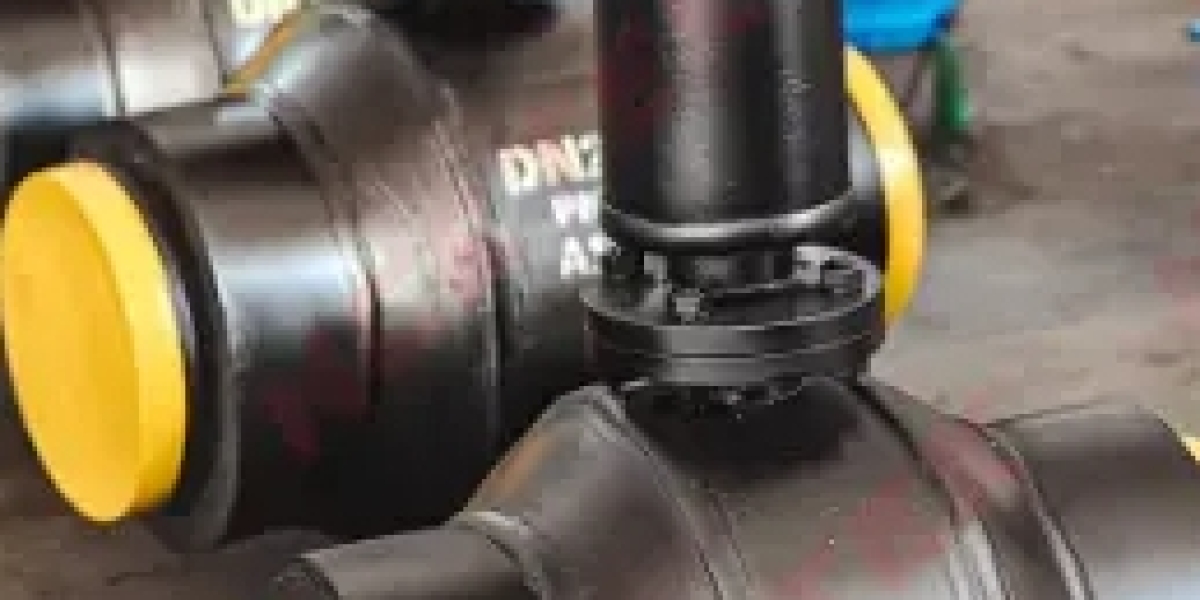

High-pressure pipeline systems require valves that can withstand mechanical loads while maintaining dependable shutoff and manageable operating torque. Valve structure, body material, sealing design, and manufacturing quality all contribute to performance under demanding conditions. A Forged Steel Trunnion Mounted Ball Valve combines a forged steel pressure-containing body with a trunnion-supported ball structure, making it suitable for many applications where strength, stability, and reliable operation are important.
Forged steel components are manufactured through a process that shapes metal under compressive force. Depending on the material and production process, forging can provide favorable mechanical properties and structural consistency for pressure-containing components. The final suitability of a valve still depends on material grade, forging quality, heat treatment, machining, design calculations, and inspection. Buyers should confirm the required material specifications and documentation for their particular application.
The trunnion-mounted structure supports the ball through fixed trunnions, reducing the need for the ball to move freely under pipeline pressure. Seat assemblies move or load against the ball according to the design, helping create the intended sealing contact. This arrangement can reduce operating torque compared with some floating designs in suitable high-pressure applications. Actual torque and performance depend on valve size, pressure differential, seat design, materials, and actuator selection.
Material selection must reflect the service environment. Forged carbon steel is commonly considered for many oil and gas pipeline applications, while forged stainless steel or alloy steel may be selected for other corrosion, strength, or temperature requirements. Internal components and sealing materials must also be compatible with the process medium. Buyers should provide fluid composition, operating temperature, design pressure, corrosion conditions, and relevant standards to support appropriate engineering decisions.
Sealing performance is affected by seat geometry, surface finish, material pairing, and assembly accuracy. Depending on the design, the valve may use soft seats, metal-seated structures, or specialized sealing arrangements. Each option has different operating limits and maintenance considerations. The manufacturer should confirm the applicable leakage requirements, pressure-temperature limits, and test procedures rather than assuming that one seat design is suitable for all services.
These valves are commonly considered for oil and gas transmission, petrochemical facilities, gas processing, power generation, and other industrial pipeline systems. Depending on the specified design, options may include flanged ends, welded ends, manual operation, gear operation, pneumatic actuation, or electric actuation. Underground installations may require extended stems or other installation-specific features. The final configuration should be checked against pipeline layout, maintenance access, and operating procedures.
Manufacturing and testing are essential for pressure-containing equipment. Quality control may include verification of material certificates, dimensional inspection, heat-treatment records where applicable, nondestructive examination when specified, pressure testing, and seat leakage testing. The precise inspection scope depends on the product standard, purchase order, and project requirements. Buyers should identify any third-party inspection or documentation needs before production begins.
Actuator selection deserves careful attention because the required torque can change with valve size, pressure differential, seat friction, and operating conditions. Manual gearboxes may suit some installations, while pneumatic or electric actuators may be required for remote operation or automated control. Correct actuator sizing and mounting compatibility help support reliable operation. Buyers should also consider fail-safe requirements, available power sources, control interfaces, and emergency procedures where relevant.
For procurement teams, clear specifications reduce technical uncertainty and shorten the quotation process. Important details include nominal size, pressure class, body and trim materials, connection type, operating temperature, medium, actuation method, applicable design standards, and testing requirements. Special requirements such as fire-safe design, antistatic provisions, double block and bleed functionality, or underground service should be stated explicitly and confirmed for the selected model.
Selecting an experienced Forged Steel Trunnion Mounted Ball Valve supplier helps buyers coordinate material requirements, valve structure, inspection procedures, and project documentation. Zhejiang Naishi Valve Co., Ltd. offers industrial valve solutions for various pipeline applications and operating conditions. Review available products and discuss project specifications at https://www.ncevalve.com/product/.