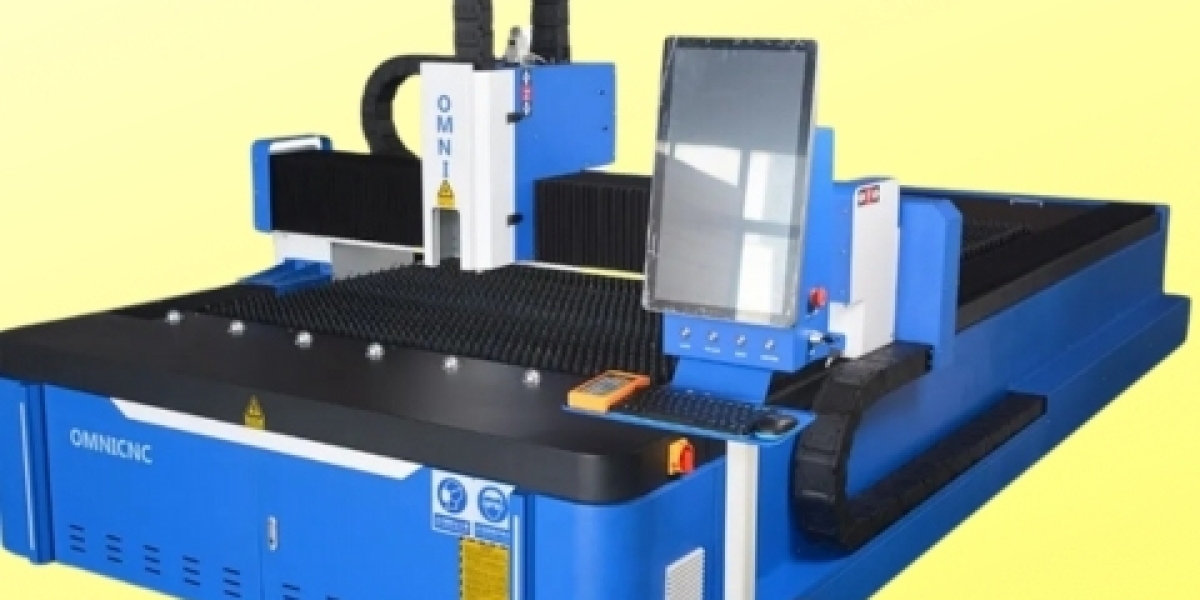

A fiber laser cutting machine is an advanced industrial solution designed to cut metal sheets, plates, and various metal components with exceptional precision. It uses a concentrated laser beam to create clean cuts, helping manufacturers produce accurate parts while maintaining consistent quality. This technology is widely used in automotive manufacturing, construction, aerospace, electrical equipment production, and custom metal fabrication.
As industries demand faster production and more accurate results, fiber laser technology has become an important investment for businesses seeking to improve manufacturing efficiency and expand their production capabilities.
How Does Fiber Laser Cutting Work?
A fiber laser cutting machine generates a high-energy laser beam through an optical fiber system. The beam is directed toward the metal surface and focused into a small, intense spot that melts or vaporizes the material. Assist gas, such as oxygen, nitrogen, or compressed air, helps remove molten material from the cutting area.
The cutting head moves according to programmed instructions, allowing the machine to create intricate shapes, straight lines, holes, and complex designs. Computer numerical control (CNC) technology ensures that cutting operations follow the required dimensions and patterns.
Operators can prepare designs using compatible CAD and CAM software before transferring them to the machine. This process supports repeatable production and reduces the need for manual cutting operations.
Materials Suitable for Fiber Laser Cutting
One of the main reasons manufacturers choose fiber laser technology is its ability to process a variety of metals. Material compatibility and cutting capacity depend on the laser power, machine configuration, and cutting parameters.
Common materials include:
Carbon steel: Used for structural components, machinery parts, brackets, and industrial frames.
Stainless steel: Suitable for kitchen equipment, decorative panels, medical equipment components, and enclosures.
Aluminum: Commonly used in automotive parts, electronic housings, and lightweight structures.
Brass and copper: Used for electrical components, connectors, and specialized metal products.
Choosing the correct laser power and cutting settings is essential for achieving smooth edges, accurate dimensions, and consistent results.
Important Factors When Choosing a Machine
Selecting the right fiber laser cutting machine requires careful consideration of your production requirements. Different businesses have different cutting needs, so understanding the following factors can help you make a suitable investment.
1. Laser Power
Laser power directly influences cutting capacity and processing speed. Lower-power systems may be suitable for thin metal sheets, while higher-power machines can handle thicker materials within their rated capabilities. The best choice depends on the metals you process and the thickness range you regularly require.
2. Working Area
The cutting table determines the maximum sheet size the machine can accommodate. Small workshops may prefer compact systems, whereas larger manufacturing facilities may require expanded cutting areas to process full-size metal sheets efficiently.
3. Cutting Accuracy
Precision is essential when manufacturing components that must fit together correctly. A stable machine structure, reliable motion system, accurate cutting head, and suitable software all contribute to consistent cutting performance.
4. Automation and Software
Modern systems may include automatic nesting, material positioning, cutting parameter libraries, and automated loading or unloading options. These capabilities can streamline production and help reduce material waste when properly configured.
Industrial Applications of Fiber Laser Technology
A fiber laser cutting machine can support many industrial operations, from small custom projects to large-scale manufacturing.
In the automotive industry, manufacturers use laser-cut components for brackets, body parts, and structural assemblies. Construction companies rely on precisely cut metal sections, support plates, and architectural elements. Furniture manufacturers use laser cutting to create decorative metal panels, frames, and custom designs.
Electrical equipment producers also use this technology to manufacture control cabinet enclosures, mounting plates, and metal housings. Meanwhile, fabrication workshops can produce customized components for different customers without requiring dedicated cutting dies for every design.
This flexibility makes fiber laser cutting suitable for businesses that handle changing product designs and varied production orders.
Maintenance and Operating Considerations
Proper maintenance helps preserve cutting quality and extend equipment service life. Operators should follow the manufacturer's maintenance schedule and inspect critical components regularly.
Keep the machine's working area clean, check the cutting nozzle for damage, and monitor protective optical components according to the manufacturer's instructions. Cooling systems, assist-gas supplies, and compressed-air filtration should also receive appropriate attention.
Correctly configured cutting parameters can help minimize burr formation, reduce unnecessary material loss, and maintain stable production. Operators should receive suitable training and follow all laser safety requirements, including the use of appropriate protective enclosures and interlocks.
Before purchasing equipment, consider the availability of spare parts, technical support, installation services, and operator training. Reliable after-sales support can make a significant difference in long-term productivity.
Understanding the Cost of Fiber Laser Cutting Equipment
The price of a fiber laser cutting machine depends on several factors, including laser power, cutting table size, automation level, machine construction, and included accessories.
Entry-level systems generally cost less than high-powered industrial installations with automatic material handling. Additional expenses may include shipping, installation, electrical upgrades, ventilation, assist gases, maintenance, and operator training.
Businesses should compare complete quotations rather than focusing exclusively on the initial purchase price. Evaluating expected production volume, material requirements, operating costs, and supplier support can help determine whether a machine represents a worthwhile long-term investment.
Request a cutting demonstration using your actual materials and thicknesses whenever possible. This allows you to assess cutting quality and processing speed before making a final decision.
Final Thoughts
A fiber laser cutting machine is a valuable manufacturing solution for businesses seeking precision, consistent output, and flexible metal processing. From automotive components to custom architectural products, this technology supports a wide range of industrial applications.
By evaluating laser power, working area, cutting requirements, software compatibility, and after-sales service, businesses can select equipment that matches their production goals. Careful machine selection and regular maintenance can help manufacturers improve workflow, maintain product quality, and build a stronger position in the competitive metal fabrication market.