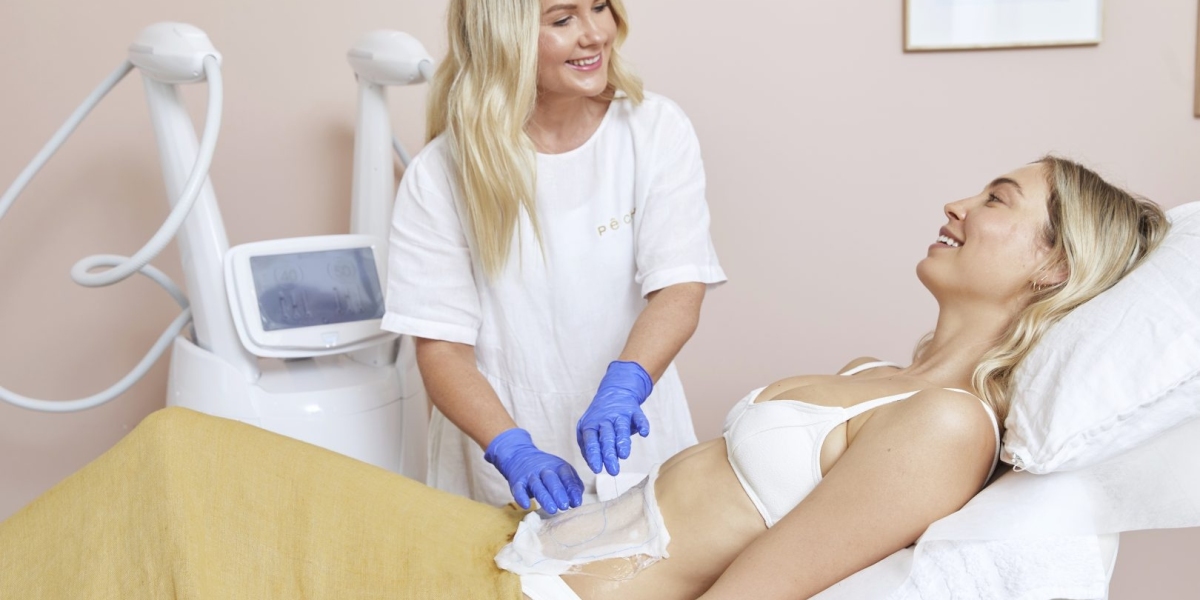

Choosing the right clinic for a non-surgical body contouring procedure requires careful research, realistic expectations, and an understanding of the technology involved. CoolSculpting in Dubai is a non-invasive fat-reduction treatment that uses controlled cooling to target certain fat cells beneath the skin. It may help improve the appearance of specific body areas that remain resistant to lifestyle changes, although it is not a weight-loss treatment or a substitute for a healthy lifestyle.
When searching for a suitable clinic in Dubai, patients should look beyond promotional offers and focus on practitioner qualifications, treatment suitability, equipment, safety protocols, and the quality of the consultation. A reputable provider should explain how the procedure works, discuss its limitations, assess the areas of concern, and provide an individualised treatment plan rather than promising identical results for everyone.
Dubai offers a range of aesthetic clinics providing body-contouring services, making it important to evaluate each provider according to clear clinical criteria. Reviewing the consultation process, understanding the available technologies, and asking about potential complications can help patients make informed decisions.
Clinics such as Tajmeels Clinic, Dynamic Life Clinic, and Enfield Royal Clinic are options to research when exploring aesthetic services in Dubai. However, patients should independently verify each clinic's current treatment availability, practitioner credentials, equipment, and safety standards before making an appointment.
What to Consider When Exploring CoolSculpting Clinics in Dubai
Tajmeels Clinic
Tajmeels Clinic is one of the providers patients may wish to investigate when researching aesthetic treatments and body-contouring options in Dubai. Before choosing a provider, prospective patients should confirm whether the clinic currently offers CoolSculpting specifically or another form of non-surgical fat reduction.
A thorough consultation should establish whether the treatment is appropriate for the patient's body-contouring goals. Patients should ask how the practitioner assesses localised fat deposits, which areas may be suitable for treatment, and what outcomes are realistically achievable.
It is also useful to enquire about the technology used, the practitioner's experience with the procedure, and the clinic's approach to patient safety. Understanding these details helps patients distinguish between treatments that use similar marketing language but may involve different technologies and clinical protocols.
Dynamic Life Clinic
Dynamic Life Clinic is another option to consider when comparing aesthetic providers in Dubai. Patients researching this clinic should confirm the availability of the specific procedure they are interested in and ask about the qualifications of the professional responsible for their assessment and treatment.
When evaluating a CoolSculpting provider, patients should ask whether the clinic uses the appropriate equipment for the procedure and how treatment settings are selected for different body areas. These details are important because treatment suitability depends on individual anatomy, the amount and distribution of localised fat, and the patient's overall goals.
The consultation should also cover the expected treatment timeline, the possibility of needing additional sessions, and the limitations of non-surgical fat reduction. A responsible provider should explain that visible changes develop gradually and that individual responses vary.
Patients should feel comfortable asking questions about potential risks, contraindications, and follow-up arrangements before proceeding. Clear communication and realistic expectations are essential parts of a professional aesthetic treatment experience.
Enfield Royal Clinic
Enfield Royal Clinic is another provider to research when considering body-contouring treatments in Dubai. Patients interested in CoolSculpting should confirm that the clinic offers the specific procedure, identify the practitioner who would perform the assessment, and verify the equipment and treatment protocols used.
A useful consultation should begin with an evaluation of the patient's concerns and whether a cooling-based fat-reduction procedure is suitable. The practitioner should explain the treatment process, discuss the areas that may respond to treatment, and outline realistic expectations without guaranteeing a particular result.
Patients should also ask about the clinic's safety procedures, screening for contraindications, and approach to managing complications. Cryolipolysis, the cooling technology used in CoolSculpting, can cause temporary discomfort, bruising, swelling, or numbness. A rare complication called paradoxical adipose hyperplasia can cause the treated area to become larger rather than smaller.
Understanding these considerations before treatment is important. Patients should also ask how results will be assessed and whether follow-up appointments are recommended. A transparent discussion of benefits, limitations, and risks allows patients to make decisions based on clinical suitability rather than marketing claims alone.
How to Choose the Right Clinic for CoolSculpting
Selecting a suitable clinic involves more than comparing treatment descriptions. The provider should demonstrate appropriate professional qualifications, use suitable technology, and offer a consultation that addresses individual needs.
Experience and Qualifications
The practitioner's experience is an important consideration when researching body-contouring treatments. Ask who will assess and perform the procedure, what relevant qualifications they hold, and how much experience they have with cryolipolysis.
Patients should also establish whether the practitioner understands body anatomy, patient selection, and the recognition of complications. An experienced professional should be able to explain when a treatment may not be appropriate and when an alternative approach may be more suitable.
Technology and Techniques
Not all non-surgical fat-reduction treatments work in the same way. CoolSculpting uses controlled cooling, whereas other technologies may rely on radiofrequency, ultrasound, or different methods.
Ask the clinic to identify the exact device being used and explain whether it is intended for the proposed treatment area. Patients can also enquire about equipment maintenance, treatment applicators, and how settings are selected according to the treatment plan.
A provider should clearly distinguish between the branded CoolSculpting procedure and other fat-reduction technologies rather than using their names interchangeably.
Safety Standards
Safety should remain a priority throughout the treatment process. The clinic should conduct an appropriate medical screening, review relevant medical history, and explain potential complications before obtaining informed consent.
Cryolipolysis may not be suitable for individuals with certain cold-related disorders, including cryoglobulinaemia, cold agglutinin disease, or paroxysmal cold haemoglobinuria. A qualified practitioner should assess relevant contraindications before recommending treatment.
Patients should also ask about hygiene procedures, emergency arrangements, and the clinic's process for responding to unexpected symptoms after treatment.
Consultation Process
A meaningful consultation should include an assessment of the patient's goals, the areas being considered for treatment, and whether the procedure is likely to provide a noticeable improvement.
The practitioner should explain the number of sessions that may be considered, the anticipated timeline for visible changes, and any additional expenses associated with the proposed plan. Patients should receive enough information to compare treatment options without feeling pressured to make an immediate decision.
Patient Experience
Professional communication, privacy, accessible information, and appropriate follow-up all contribute to a positive clinical experience. Patients should be able to ask questions and receive clear explanations in language they understand.
When researching reviews, look for detailed accounts of communication, consultation quality, and follow-up support rather than relying entirely on promotional testimonials. Online reviews can offer context, but they cannot independently establish clinical competence or guarantee future outcomes.
Expected Results
CoolSculpting is designed to reduce localised fat deposits, not produce substantial weight loss. It is generally more appropriate for people who are close to their desired weight and have specific areas of fat they wish to address.
Results develop gradually as the body processes the affected fat cells. The extent of improvement varies according to individual factors, the treated area, and the treatment plan. Patients should ask how progress will be evaluated and understand that further treatment may not always be necessary or appropriate.
A trustworthy clinic will discuss both the potential benefits and the limitations of the procedure, helping patients decide whether it aligns with their goals.
Frequently Asked Questions
What should I check before choosing a CoolSculpting clinic in Dubai?
Check the practitioner's qualifications, the availability and authenticity of the equipment, patient-screening procedures, safety protocols, and the quality of the consultation. Confirm that the clinic offers CoolSculpting specifically rather than a different fat-reduction procedure.
Is CoolSculpting suitable for everyone?
No. Suitability depends on factors such as the distribution of localised fat, medical history, treatment goals, and cold-related contraindications. It is not intended to treat obesity or replace weight-management care. A qualified practitioner should determine whether it is appropriate for an individual patient.
How long does it take to see CoolSculpting results?
Changes generally develop over several weeks as the body processes the affected fat cells. Some patients notice improvements within a few weeks, while the overall result may take around two to three months to become apparent. The timeline varies between individuals and treatment areas.
Are there risks associated with CoolSculpting?
Yes. Temporary redness, swelling, bruising, tenderness, and numbness can occur. A rare but recognised complication, paradoxical adipose hyperplasia, causes the treated fat area to enlarge. Patients should discuss these risks and relevant contraindications with their practitioner before treatment.
How can I compare CoolSculpting clinics effectively?
Compare practitioner qualifications, the specific device used, the consultation process, safety measures, transparency about risks, and follow-up support. Ask each clinic the same questions so that you can assess the quality of its clinical approach rather than relying solely on advertisements or testimonials.
Conclusion
Choosing a suitable body-contouring provider in Dubai requires careful consideration of practitioner experience, equipment, patient safety, consultation quality, and realistic treatment outcomes. Tajmeels Clinic, Dynamic Life Clinic, and Enfield Royal Clinic are providers patients can research, while independently confirming their current services and clinical credentials.
Before booking CoolSculpting, ensure that the proposed procedure matches your goals, that you understand its limitations and potential risks, and that the practitioner provides an individualised assessment. A well-informed decision should be based on clinical suitability, transparent communication, and appropriate safety standards rather than promotional promises.