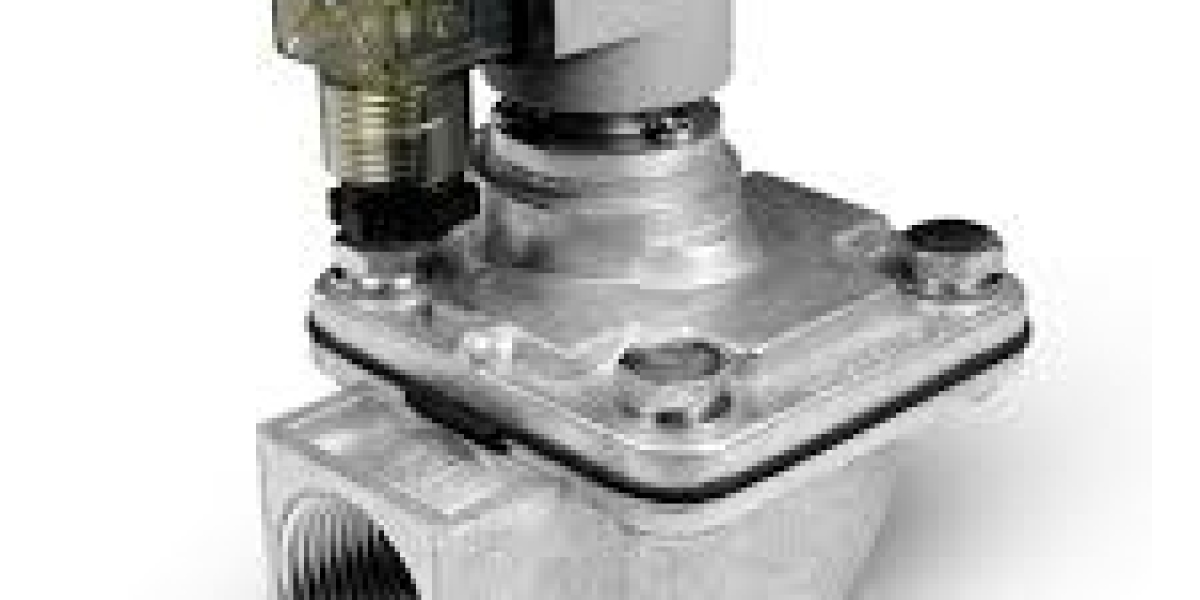

Electronic taps and automated water-delivery systems depend on reliable components that regulate flow according to electrical commands. These systems are used in residential bathrooms, commercial washrooms, hospitality facilities, and specialized water-control equipment. A Tap Solenoid Valve provides an electromagnetic switching mechanism that opens or closes a water passage in response to signals from a sensor, switch, or electronic controller. Its design affects water delivery, shutoff performance, installation flexibility, and the reliability of the finished tap assembly.
The basic operating principle involves converting electrical energy into mechanical movement. When the coil receives a control signal, the magnetic field moves the internal armature or valve mechanism. This movement changes the position of the sealing element, allowing water to flow or stopping the passage. Normally closed configurations are commonly considered for applications where water should remain off until the system activates the valve. Other configurations may be suitable depending on the equipment's control logic and safety requirements.
Coil and magnetic circuit design influence the valve's response and electrical performance. Copper winding quality, insulation, magnetic component geometry, and assembly accuracy help determine the force available to move internal parts. The magnetic circuit must operate effectively under the specified voltage and working conditions. Accurate alignment helps reduce mechanical friction and supports repeatable opening and closing, especially in applications where the tap is activated many times each day.
The hydraulic section must deliver the required water flow without compromising sealing performance. Internal passages, valve seats, flow openings, and connection interfaces need appropriate dimensions for the intended application. Precision machining helps maintain consistent geometry, while suitable surface finishes support reliable contact between sealing components. Selecting a valve requires consideration of working pressure, flow demand, connection type, and the physical space available inside the tap or connected equipment.
Sealing performance is another major consideration. O-rings, diaphragms, gaskets, and valve seats must withstand contact with water and repeated pressure changes. Materials should be selected according to water compatibility, temperature, and expected operating conditions. Reliable sealing helps prevent leakage when the valve is closed and reduces unnecessary water consumption. For commercial installations, consistent shutoff performance can also help limit maintenance requirements and service interruptions.
Electronic control integration allows taps to operate according to user input or programmed conditions. A sensor-based system can activate the valve when a user's hands are detected, while a controller manages the timing and shutoff sequence. Other equipment may use switches or dedicated electronic signals. In each case, the valve's electrical characteristics must match the controller and power supply to ensure consistent operation. Wiring arrangements and installation conditions should also be considered during product design.
Manufacturing quality affects both performance and consistency. Controlled coil winding, precision machining, component inspection, and careful assembly help reduce variation between production units. Electrical testing can identify coil or insulation issues, while functional testing checks the valve's response to control signals. Leakage inspection and repeated-cycle testing help verify that the assembled component can maintain reliable switching and sealing under representative conditions.
B2B buyers should confirm the operating voltage, current requirements, normal valve state, flow capacity, working pressure, connection dimensions, and sealing material before placing an order. Compatibility with the electronic control system is equally important, particularly for sensor-operated taps and customized OEM products. Clear specifications help suppliers recommend suitable configurations and reduce the risk of problems during assembly or field installation.
Zhejiang Fuxin Electrical Technology Co., Ltd. supplies electromagnetic valve solutions for sanitary ware and water-control applications. Companies sourcing a Tap Solenoid Valve for electronic taps, plumbing equipment, or automated water systems can explore the company's product range at https://www.fuxinvalve.com/product/sanitary-ware-solenoid-valves/ to evaluate potential solutions for their projects.