
Removing old paint from metal and other surfaces can be a challenging task, especially when traditional methods require extensive labor and produce unwanted waste. A laser paint remover offers a modern solution by using focused laser energy to remove unwanted coatings from suitable surfaces. This technology is becoming increasingly popular in industrial manufacturing, automotive maintenance, restoration, and metal fabrication.
What Is a Laser Paint Remover?
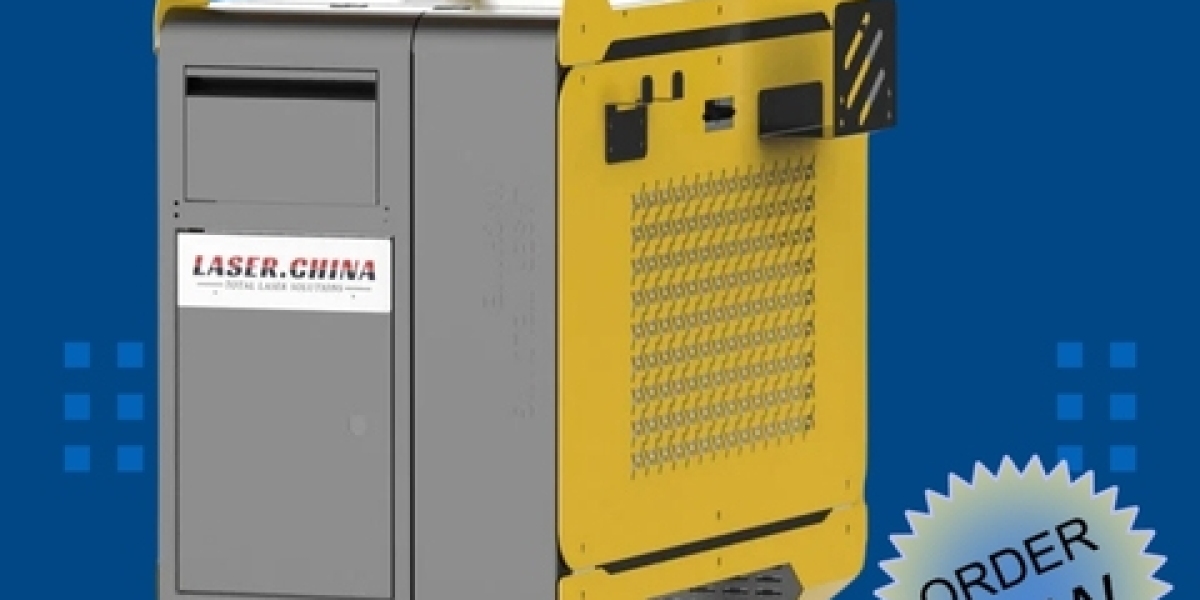
A laser paint remover is a specialized cleaning system designed to remove paint, coatings, and surface contaminants using controlled laser energy. Instead of relying on chemical strippers, abrasive blasting, or manual scraping, it directs a laser beam onto the coated surface. The energy interacts with the paint layer, helping loosen or remove the coating while allowing operators to manage the cleaning process precisely.
Depending on the equipment and application, laser cleaning systems can be used on metal components, machinery parts, automotive bodies, industrial tools, and selected restoration projects. Properly configured equipment helps achieve consistent results while reducing unnecessary contact with the underlying material.
How Does Laser Paint Removal Work?
The process begins by directing a focused laser beam toward the painted area. The laser energy interacts with the coating, causing it to break down, detach, or vaporize under controlled conditions. The exact result depends on the paint composition, coating thickness, laser wavelength, power settings, and substrate material.
Operators can adjust the system according to the requirements of the job. Before full-scale cleaning, testing a small area helps establish suitable settings and confirm that the base material remains unaffected. This preparation is especially important when working with delicate components or multiple coating layers.
Applications Across Different Industries
Automotive and Vehicle Restoration
Automotive workshops can use laser cleaning equipment to remove selected paint layers, coatings, and corrosion from suitable metal components. It can support restoration work on vehicle parts, repair preparation, and maintenance tasks where controlled surface treatment is required.
Industrial Manufacturing
Manufacturing facilities frequently need clean surfaces before welding, bonding, repainting, or applying protective coatings. Laser-based paint removal can help prepare components for these operations and support repeatable cleaning procedures.
Machinery and Equipment Maintenance
Industrial machines may accumulate paint, protective coatings, and other deposits during their service life. Laser cleaning can be useful for treating accessible components and selected maintenance areas without relying entirely on abrasive techniques.
Metal Restoration Projects
Restoration specialists often work with metal structures, tools, and historical components that require careful surface treatment. With appropriate equipment settings and professional assessment, laser technology can provide a controlled approach to removing unwanted coatings.
Choosing the Right Laser Cleaning System
Selecting a suitable laser paint remover requires careful consideration of the intended application. Start by identifying the substrate material, coating type, paint thickness, and size of the area that needs treatment. These details influence the required laser power, cleaning speed, and system configuration.
Portable handheld systems may suit workshops and maintenance teams that need flexibility when treating different components. Industrial systems can be more appropriate for continuous production or larger cleaning operations.
It is also important to evaluate the manufacturer's technical support, equipment specifications, operating requirements, and maintenance provisions. A reliable supplier should explain the system's capabilities and help determine whether it is appropriate for the materials and coatings involved.
Safety and Operating Considerations
Laser paint removal requires suitable safety precautions. High-powered laser beams can cause serious eye and skin injuries, while removing paint may release hazardous fumes or particles depending on the coating composition.
Operators should use an appropriately enclosed or controlled laser work area, follow the manufacturer's safety instructions, and wear laser-rated protective equipment selected for the specific system. Effective local exhaust ventilation and suitable filtration are also essential. Older paints may contain hazardous substances, so their composition should be assessed before removal.
Testing, operator training, and proper workplace controls help maintain safe and consistent results. Not every paint or substrate is suitable for laser treatment, making professional evaluation important before starting a project.
Why Consider Laser Paint Removal Technology?
Businesses looking to modernize their surface preparation processes can consider laser cleaning as an alternative to conventional paint removal methods. The technology offers precise control over the treatment area and can reduce dependence on chemical stripping agents and abrasive materials in suitable applications.
For companies handling recurring cleaning tasks, choosing equipment matched to their workload can support more organized maintenance and surface preparation. Comparing different systems, operating costs, safety requirements, and supplier services helps buyers make informed purchasing decisions.
Final Thoughts
Laser-based coating removal is an evolving solution for industrial cleaning, automotive restoration, and metal surface preparation. A properly selected laser paint remover can help businesses tackle demanding cleaning tasks with controlled application and reduced reliance on traditional consumables.
Before investing, evaluate your materials, coating requirements, production needs, and safety arrangements. Working with an experienced manufacturer or supplier can help you select the right system and achieve reliable results for your specific application.