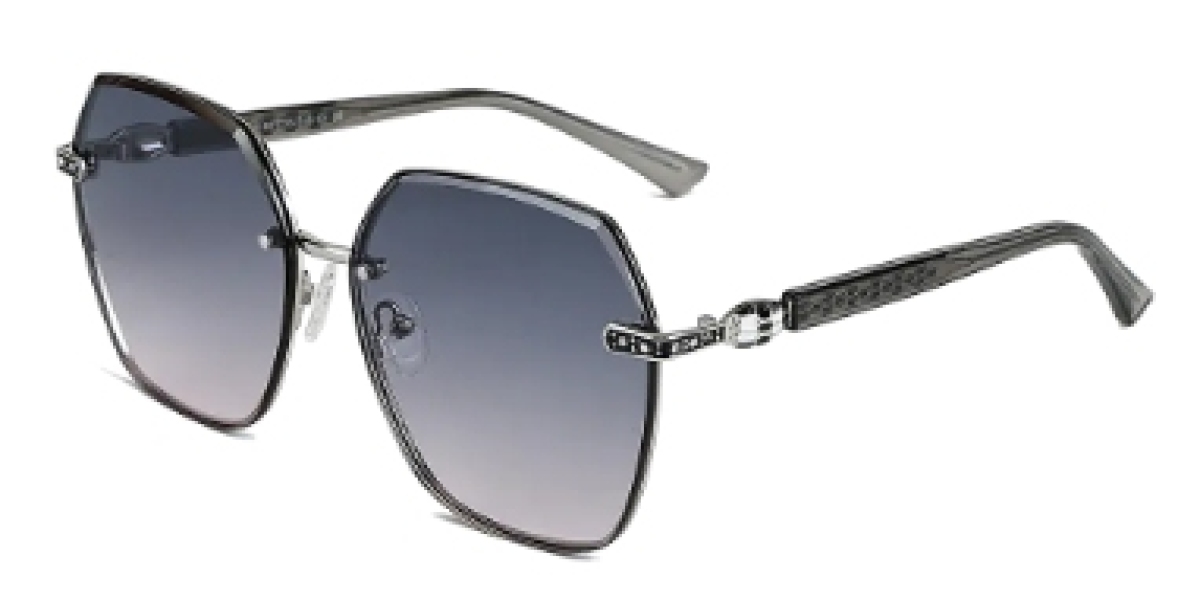

Sunlight affects visual comfort in different ways depending on the environment, exposure time, and surrounding reflective surfaces. For eyewear brands, distributors, and retailers, developing products that combine practical protection with attractive styling requires attention to lens technology, frame materials, manufacturing consistency, and wearing comfort. When evaluating Sunglasses 400 UV Polarized, buyers should understand how ultraviolet protection and polarization serve different purposes and how these features can contribute to a reliable product offering across multiple markets.
Ultraviolet radiation is not always noticeable because it cannot be seen directly, yet appropriate protection remains an important consideration in sunwear design. Sunglasses intended to provide UV400 protection are designed to block ultraviolet rays across the UVA and UVB wavelength ranges up to 400 nanometers when they meet the relevant performance requirements. This characteristic is different from lens darkness. A darker lens does not automatically provide stronger ultraviolet protection, so buyers should prioritize verified lens performance rather than relying on appearance alone. Consistent testing and quality control help manufacturers confirm that finished products meet their stated protection requirements.
Polarized lenses address another common outdoor challenge: reflected glare. Light reflecting from roads, water, glass, and other horizontal surfaces can create visual discomfort, particularly during driving, fishing, boating, and recreational activities. A polarizing filter selectively reduces certain reflected light, helping improve visual comfort in suitable conditions. However, polarization does not replace ultraviolet protection. Buyers should evaluate both features independently and confirm that the selected lens construction provides the intended combination of glare reduction and UV protection.
Lens materials influence weight, durability, optical quality, and the overall experience of wearing sunglasses. Common options include polycarbonate, other impact-resistant plastics, and selected optical materials suited to particular product designs. Polycarbonate is often considered for lightweight eyewear and applications where impact resistance is important. Different materials may vary in scratch resistance, optical properties, manufacturing methods, and cost, making material selection a balance between product positioning and practical requirements. Lens coatings can also affect the user experience by supporting easier cleaning, reducing surface reflections in appropriate designs, or improving resistance to everyday wear. The final choice should reflect the intended application and applicable product standards.
Frame construction is equally important because it affects fit, stability, appearance, and long-term usability. Acetate frames can support rich colors, layered patterns, and polished finishes, while injection-molded plastics offer flexibility in shape development and production planning. Metal frames provide another design direction, with slim profiles and a different visual character. Each material presents its own considerations for processing, finishing, durability, and maintenance. Manufacturers need to evaluate how frame geometry interacts with lens dimensions, hinge construction, nose support, and temple design to create a balanced finished product.
For brands building a consistent product collection, manufacturing quality depends on more than selecting suitable materials. Lens alignment, frame symmetry, hinge movement, surface finishing, and assembly accuracy all influence the perceived quality of sunglasses. Inspection procedures should identify visible defects and confirm that components fit together correctly. Where UV protection and polarization are specified, appropriate verification procedures are also important. Clear documentation helps importers and distributors assess product suitability for their intended markets and communicate product features accurately without making unsupported claims.
Customization offers additional opportunities for businesses serving different customer groups. Frame colors, lens tints, finishes, logo placement, packaging, and design details can be adapted to fit brand identity and retail positioning. Buyers may request understated designs for everyday use, sport-oriented shapes for active consumers, or fashion-focused silhouettes for seasonal collections. When developing Sunglasses 400 UV Polarized, businesses should also consider how the chosen lens tint affects visibility in different environments, whether the frame fits the intended audience, and whether packaging communicates product care and protection information clearly.
Comfort is another factor that influences how frequently consumers wear sunglasses. A frame that feels too heavy, places excessive pressure on the nose, or fits poorly around the temples may be less suitable for extended use. Balanced weight distribution, smooth contact surfaces, appropriately designed nose pads, and secure hinges can help improve wearability. Face shape and individual fit preferences also vary, so offering several frame profiles can make a collection more accessible to a broader audience. Product development should therefore consider appearance and ergonomics together rather than treating them as separate decisions.
For international buyers, reliable communication with a manufacturer can simplify sourcing and product development. Clear specifications, agreed quality criteria, sample evaluation, and documented inspection processes help reduce misunderstandings during production. Importers should confirm applicable regulatory requirements, labeling obligations, and testing expectations for each destination market instead of assuming that a single standard applies everywhere. By aligning lens performance, frame construction, design requirements, and quality procedures, businesses can build a more dependable eyewear assortment. Buyers exploring different frame styles and product options can review the available collection at https://www.kaiziglasses.com/product/ when planning their next sourcing project.









