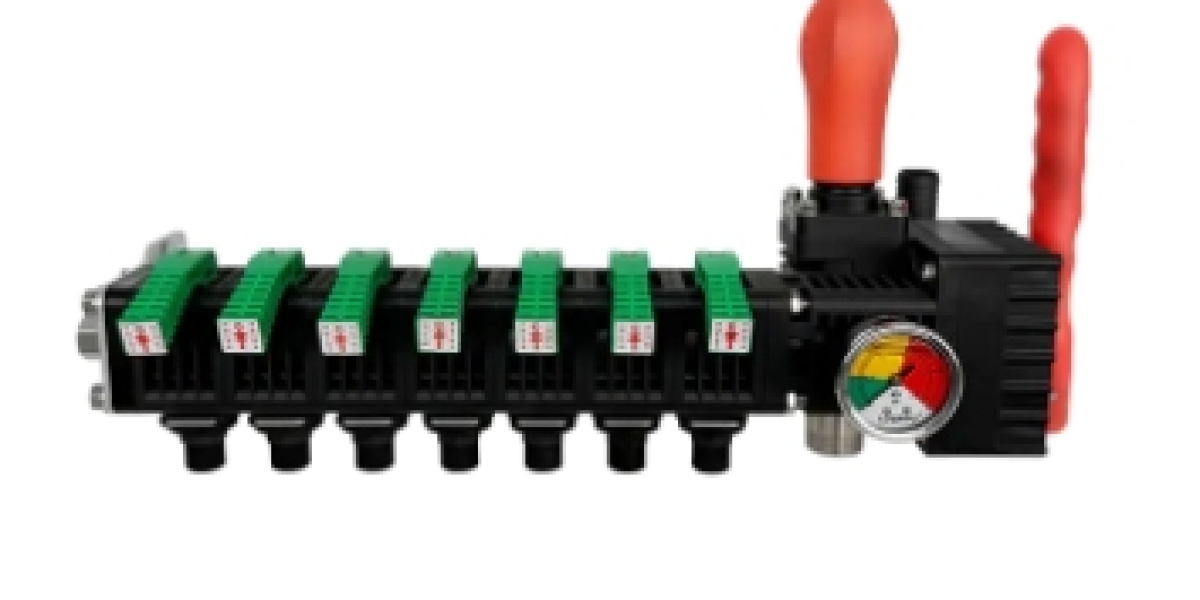

Agricultural sprayers rely on a coordinated fluid delivery system to distribute crop protection products and other agricultural liquids across fields, orchards, greenhouses, and managed landscapes. The pump is a central component of this system, influencing liquid movement, operating stability, and the ability to maintain a consistent application pattern. A well-designed diaphragm agricultural sprayer pump combines an appropriate pumping mechanism with compatible materials and carefully manufactured components to support demanding agricultural working conditions.
A diaphragm pump operates through the repeated movement of a flexible membrane. As the diaphragm moves, the working chamber expands to draw liquid through the inlet and contracts to push it toward the discharge side. In designs using check valves, these components regulate flow direction and help maintain the pumping cycle. Because the diaphragm forms a barrier between the drive mechanism and the conveyed liquid, the design can limit direct exposure of selected mechanical parts to agricultural formulations. Actual chemical resistance and service life depend on the materials, construction, operating conditions, and liquid being handled.
Material engineering is particularly important because agricultural fluids vary in composition. Water-based mixtures, liquid fertilizers, and crop protection chemicals may have different effects on elastomers, plastics, metals, and sealing compounds. The diaphragm must tolerate repeated flexing while maintaining its ability to separate the working chamber. Seals must retain their shape and sealing function under the expected chemical and mechanical loads. Housing materials should also provide suitable strength and resistance to environmental exposure. Evaluating the entire wetted path is more reliable than judging compatibility from the housing material alone.
Manufacturing accuracy helps ensure that the pump performs consistently. The diaphragm, valve seats, housing sections, and connecting interfaces must fit together correctly to support effective sealing and controlled fluid movement. Variations in component dimensions or assembly pressure can influence leakage, operating noise, and durability. Manufacturers may use controlled molding processes, precision machining, standardized assembly procedures, and functional inspection to reduce these variations. Pressure or leakage testing, where appropriate to the design, can help verify that assembled units meet established quality requirements before delivery.
System integration is another key consideration. The pump must work with the sprayer's tank, suction line, filters, hoses, pressure-control components, and nozzles. Inlet restrictions can interfere with liquid supply, while unsuitable hose routing may introduce kinks or air leakage. On the discharge side, blocked nozzles or restricted filters can increase system resistance and affect pump loading. Correct installation therefore involves checking connection sizes, flow direction, mounting stability, hose compatibility, and the operating requirements of the complete spraying circuit.
The required operating conditions should be established before choosing a pump. Flow demand, working pressure, expected duty cycle, liquid properties, and the number of spray outlets all influence the selection process. A system designed for intermittent operation may have different requirements from equipment used for extended field work. Similarly, formulations containing suspended particles may require more careful filtration and cleaning than relatively clean liquids. Matching pump characteristics to the actual application helps avoid inadequate delivery, unnecessary mechanical stress, and inefficient energy use.
Operational care can extend the useful service life of agricultural pumping equipment. Before use, operators should inspect the suction line, hose connections, filter, and visible seals for damage or blockage. During operation, unexpected noise, leakage, pulsation changes, or reduced spray output should be investigated rather than ignored. Possible causes include a clogged filter, air entering the inlet line, worn valves, diaphragm deterioration, or a restriction elsewhere in the system. A structured inspection process helps identify the source of a problem and reduces the risk of replacing parts unnecessarily.
Cleaning is especially important when the pump handles different agricultural formulations. Residual chemicals may react with later mixtures, leave deposits, or affect component materials if the equipment is not flushed correctly. Cleaning procedures should follow the chemical label and equipment manufacturer's instructions, with appropriate attention to worker protection and wastewater handling. The pump should not be exposed to cleaning agents that are incompatible with its diaphragm, seals, or housing. Regular maintenance records can also help operators recognize recurring problems and plan component replacement before a critical spraying period.
For agricultural equipment producers, wholesalers, and service providers, pump selection involves more than initial purchase cost. Consistent manufacturing, accessible replacement parts, clear material information, and straightforward maintenance procedures contribute to dependable equipment support. Buyers should confirm the intended liquid compatibility and operating requirements with the supplier before finalizing an application. For additional information about pump designs intended for agricultural spraying systems, visit https://www.agriculturaldiaphragmpump.com/product/diaphragm-pumps/ to review the available diaphragm pump solutions.









