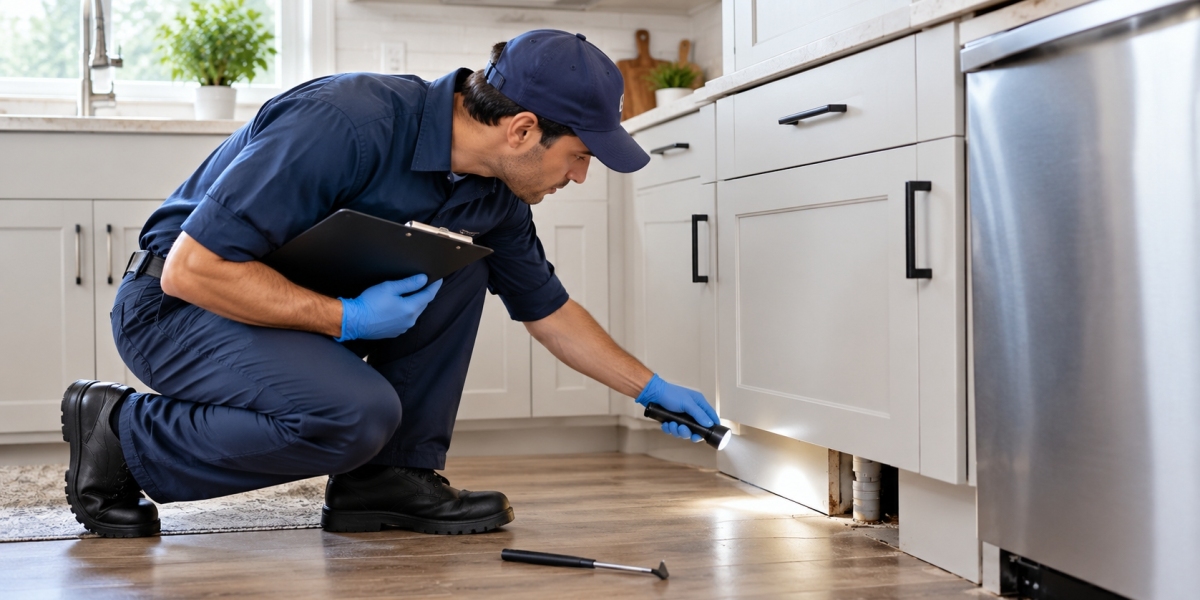

A property may appear clean and well-maintained while hidden pest activity develops behind walls, beneath flooring, or inside cupboards. Professional pest inspectors examine more than visible insects. They look for evidence of infestation, potential entry points, moisture problems, structural damage, and conditions that allow pests to survive and reproduce.
A thorough inspection can help homeowners, landlords, and property managers identify problems early and make informed decisions about treatment. It may also reveal signs of termites, rodents, cockroaches, bed bugs, and tiny pests such as mites. When suspected mite activity persists, mite control services may be recommended after the pest has been correctly identified. Different mite species require different management methods, so accurate identification is important before treatment begins.
Understanding what inspectors examine can help property owners prepare for an appointment, recognize warning signs, and reduce the risk of recurring infestations. The following guide explains the main areas professionals assess during a residential pest inspection.
Table of Contents
Signs of Active Pest Infestation
Common Areas Inspectors Examine
Structural Damage and Entry Points
Moisture and Conditions That Attract Pests
How Inspectors Investigate Mite Activity
Tools Used During a Pest Inspection
What Happens After the Inspection?
Frequently Asked Questions
1. Signs of Active Pest Infestation
The first step is identifying evidence that pests are present or have recently occupied the property. Even when insects or rodents are not visible, they may leave physical signs behind.
Droppings, Eggs, and Shed Skin
Inspectors look for rodent droppings, cockroach egg cases, insect remains, shed skins, and other evidence in areas where pests hide. The type, location, and freshness of these signs can help determine whether activity is ongoing.
For example, repeated droppings beneath a kitchen sink may indicate rodent movement, while cockroach egg cases inside cabinet corners can suggest a breeding site nearby.
Unusual Odors and Sounds
Persistent musty smells, scratching inside walls, and unexplained movement in ceilings may indicate hidden pest activity. These clues do not confirm an infestation by themselves, but they help inspectors decide which areas need closer examination.
Damage to Household Items
Chewed packaging, damaged fabrics, small holes in wood, and disturbed insulation can provide additional evidence. Inspectors document these observations and consider which pest species could have caused the damage.
2. Common Areas Inspectors Examine
Professional inspectors follow a systematic approach, checking accessible indoor and outdoor areas instead of concentrating only on the room where a pest was first noticed.
Property area | What inspectors look for |
Kitchen and pantry | Droppings, food contamination, ants, cockroaches, and entry gaps |
Bathrooms and laundry rooms | Leaks, damp surfaces, silverfish, and cockroach activity |
Bedrooms and living rooms | Bed bug evidence, fabric damage, and insect hiding places |
Attics and basements | Rodent nests, droppings, damaged insulation, and termite evidence |
Roofline and exterior walls | Gaps, insect nests, damaged vents, and potential entry points |
Gardens and foundations | Burrows, standing water, vegetation touching walls, and termite risk |
Kitchen and Food Storage Areas
Kitchens attract pests because they provide food, water, and shelter. Inspectors commonly check behind refrigerators, beneath sinks, around appliances, and inside cupboards.
They also look for unsealed food containers, overflowing rubbish bins, and gaps around plumbing. Correcting these conditions can reduce the resources available to pests.
Bedrooms and Upholstered Furniture
When bed bugs or suspected mites are reported, inspectors may examine mattress seams, bed frames, furniture joints, upholstery, and nearby cracks.
Small bites or skin irritation alone cannot establish which pest is responsible. An inspection should consider physical evidence and other possible explanations before recommending treatment.
Attics, Basements, and Storage Areas
Dark, undisturbed spaces can provide shelter for rodents and insects. Inspectors check accessible insulation, stored belongings, wooden structures, and openings around pipes or ventilation systems.
Cardboard clutter and poorly organized storage can make pest activity harder to detect. Keeping these areas accessible helps inspections identify potential problems more effectively.
3. Structural Damage and Entry Points
Pests can enter through surprisingly small openings. Inspectors examine the building's exterior and interior boundaries to identify routes that may allow insects and rodents to enter.
Cracks, Gaps, and Damaged Screens
Common entry points include:
Gaps around plumbing and utility lines.
Cracks in foundations and exterior walls.
Damaged window screens and door seals.
Openings around roof edges, vents, and garage doors.
Gaps beneath exterior doors.
Suitable sealing materials and properly fitted screens can help prevent pests from entering. Ventilation openings should remain functional and receive appropriate pest-resistant protection.
Signs of Termite and Wood Damage
Termites and certain wood-boring insects can damage structural timber over time. Inspectors look for mud tubes, discarded wings, damaged wood, exit holes, and other species-specific evidence.
Wood that sounds hollow, appears blistered, or crumbles easily may require further assessment. However, moisture damage and decay can produce similar symptoms, so an inspector should determine the likely cause rather than assuming every damaged surface indicates termites.
Identifying the source early can help property owners arrange appropriate treatment and repairs.
4. Moisture and Conditions That Attract Pests
Moisture is an important part of many pest inspections because damp environments can support insects and contribute to building deterioration.
Plumbing Leaks and Standing Water
Inspectors check beneath sinks, around toilets, near water heaters, and in utility rooms for leaks or persistent dampness. Outdoors, they may examine clogged gutters, poorly drained areas, and containers holding standing water.
Depending on the species, these conditions may support cockroaches, mosquitoes, silverfish, or other moisture-associated pests.
Poor Ventilation and Damp Materials
Basements, crawl spaces, and bathrooms can develop persistent humidity when ventilation is inadequate. Inspectors may recommend repairing leaks, improving airflow, or addressing drainage issues.
Reducing unnecessary moisture helps make the property less favorable to many pests. It also helps prevent conditions that can damage wood and other building materials.
5. How Inspectors Investigate Mite Activity
Mites are tiny arthropods, and different species have different sources and behaviors. Some are associated with stored food or household dust, while others may be linked to birds, rodents, plants, or other environmental sources.
Identifying Possible Mite Sources
When mite activity is suspected, an inspector may examine:
Bedding, upholstery, and frequently used furniture.
Dusty areas and locations where debris accumulates.
Stored food products and pantry shelves.
Areas near bird nests or rodent activity.
Indoor plants and nearby window areas, when relevant.
These checks help narrow down possible sources, but visual inspection alone may not identify every species. A collected sample or specialist identification may be necessary.
Choosing the Right Treatment
Effective mite management depends on identifying the species and addressing its source. Depending on the findings, recommended measures may include targeted cleaning, laundering suitable fabrics, removing contaminated stored products, managing an associated animal or bird source, or using an appropriate treatment.
Professional mite control services can help when the source is unclear, activity continues despite basic cleaning, or a targeted treatment plan is required. Broad pesticide application without proper identification may be ineffective and can create unnecessary exposure.
6. Tools Used During a Pest Inspection
The tools used depend on the property, suspected pest, and areas that can be safely accessed.
Common inspection equipment includes:
Flashlights: Help illuminate cupboards, roof spaces, and dark corners.
Moisture meters: Help identify damp building materials.
Magnifying tools: Assist with examining small insects and physical evidence.
Monitoring traps: Help detect activity in selected locations when appropriate.
Inspection mirrors or cameras: Help examine certain difficult-to-reach spaces.
Documentation tools: Record findings, photographs, and recommended corrective actions.
Specialized equipment is not necessary for every inspection. A trained professional selects tools according to the suspected problem and explains any limitations.
7. What Happens After the Inspection?
After examining the property, the inspector should explain the findings and recommend appropriate next steps.
A useful inspection report may include:
The pests identified or suspected.
The locations where evidence was found.
The extent of visible activity and any limitations.
Conditions that may encourage further infestation.
Recommended treatment, sanitation, or exclusion measures.
Suggested follow-up inspections or monitoring.
Property owners should ask questions if the findings are unclear. They should also understand which areas were inaccessible and whether additional specialist assessment is needed.
An inspection does not always include pest treatment. Some appointments focus on diagnosis and reporting, while others may include treatment recommendations or separate service options.
Frequently Asked Questions
1. How long does a professional pest inspection take?
The duration depends on property size, accessibility, suspected pests, and the extent of the investigation. A small home may require less time than a large property with multiple affected areas.
2. Can inspectors find pests that are hidden inside walls?
They may identify signs of concealed activity and use suitable inspection tools, but not every hidden infestation can be confirmed without additional investigation.
3. Should a property be cleaned before an inspection?
Basic tidying can improve access, but avoid removing all evidence from suspected areas. Keep photographs of sightings and tell the inspector where and when the activity occurred.
4. Do pest inspectors check for mites?
They can investigate suspected mite activity when it falls within their service scope. Correct identification may require a sample or specialist assessment.
5. Is a pest inspection necessary before buying a home?
A pest inspection can help identify evidence of infestation, potential structural damage, and conditions that may require attention before a purchase. Buyers should confirm which pests and areas are covered by the inspection.
6. How often should a home receive a pest inspection?
There is no universal schedule for every property. Inspection frequency depends on local pest risks, previous infestations, building conditions, and the property's history.
Conclusion
Professional pest inspectors assess much more than visible insects. They investigate evidence of infestation, examine likely hiding places, identify structural vulnerabilities, and look for moisture or sanitation problems that may support pest activity.
For homeowners and property managers, a thorough inspection provides a practical starting point for resolving existing problems and preventing future ones. Correct pest identification is particularly important for issues such as mites, where different species may require different management strategies.
By addressing entry points, controlling moisture, maintaining clean storage areas, and following professional recommendations, property owners can make their buildings less attractive to pests and support more effective long-term pest management.