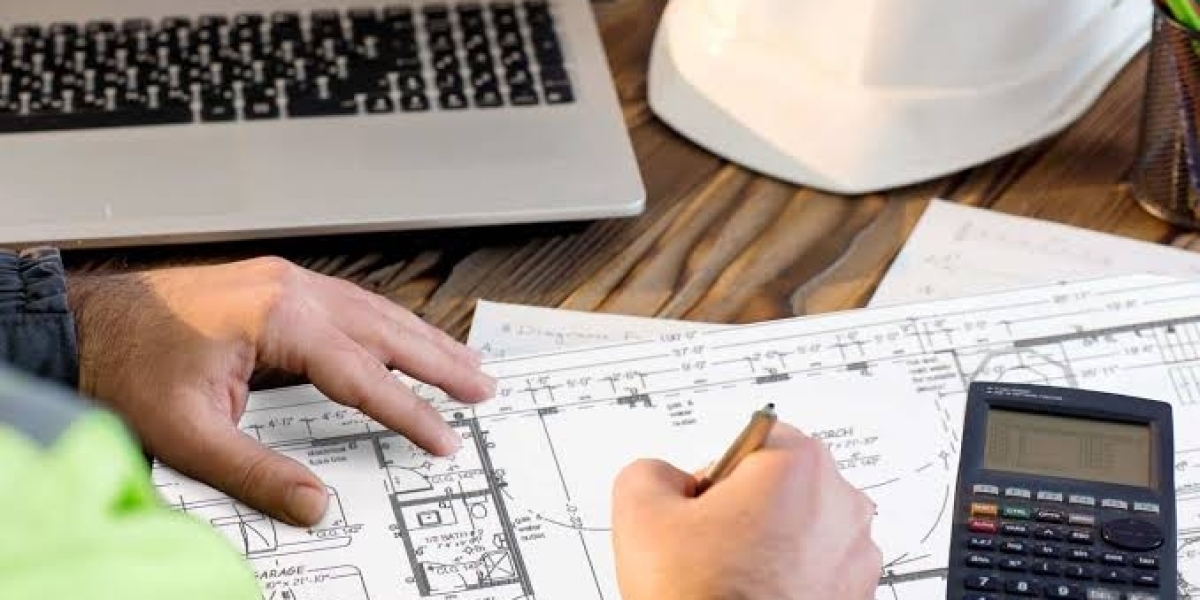

The construction industry is adopting digital technologies to improve planning, accuracy, and project management. One important innovation is augmented reality in construction, which allows builders, contractors, architects, and engineers to view digital building models in real-world environments. This technology helps professionals understand designs, identify potential issues, and make better project decisions before construction work progresses.
For homeowners and construction businesses, augmented reality can also support budgeting, material planning, and building design visualization. ConstructionEstimateHelp helps users understand construction estimating needs and plan projects with greater clarity.
What Is Augmented Reality in Construction?
Augmented reality (AR) in construction is a technology that overlays digital information, such as 3D building models, measurements, design plans, and structural details, onto a real-world view. It commonly works through smartphones, tablets, AR glasses, and specialized headsets.
For example, a contractor can use an AR application to visualize a proposed wall, doorway, or electrical installation inside an actual building space. Instead of relying only on traditional drawings, the team can see how planned elements may fit into the existing environment.
This approach improves communication between construction professionals and clients while helping teams identify design conflicts early.
Read More: Complete Guide to Warehouse Construction Costs in Sydney (2026)
How Does Augmented Reality Work in Construction?
Augmented reality combines cameras, sensors, software, and digital models to display virtual elements over real surroundings. The process generally involves four steps:
1. Create a digital building model: Architects and engineers develop 3D designs using computer-aided design (CAD) or Building Information Modeling (BIM) software.
2. Scan the real environment: A compatible device uses its camera and sensors to recognize surfaces, dimensions, and spatial features.
3. Overlay the design: AR software positions the digital model within the real environment, allowing users to inspect proposed building elements.
4. Review and adjust: Contractors compare the displayed design with site conditions, identify potential clashes, and communicate changes to the project team.
The quality of results depends on device capabilities, model accuracy, calibration, lighting, and site conditions.
Key Benefits of Augmented Reality in Construction
1. Better Project Visualization
AR allows clients and contractors to visualize a building before completing the physical work. This makes it easier to discuss layouts, room dimensions, structural elements, and design changes.
2. Improved Construction Cost Estimation
Accurate digital models can support quantity takeoffs and material planning. When combined with estimating software, augmented reality can help professionals review project requirements and prepare more informed budgets. However, AR does not automatically guarantee accurate costs; labor rates, material prices, location, and project specifications must also be considered.
3. Fewer Errors and Rework
Comparing planned designs with actual site conditions can help teams identify discrepancies before they become expensive problems. Early detection may reduce material waste, delays, and unnecessary repairs.
4. Easier Building Planning
Homeowners researching harga bangunan per meter (building cost per square meter) or harga bangun rumah per meter (house construction cost per square meter) can use AR visualizations to better understand proposed layouts and building features. Actual prices still depend on location, materials, labor, and finishing quality.
5. Better Space Planning
AR can help visualize residential and commercial spaces, including garages. For example, people researching the average 2 car garage sq ft can explore how a proposed garage layout may accommodate two vehicles, storage, and access space. The appropriate dimensions depend on vehicle sizes, local requirements, and intended use.
Applications of Augmented Reality in Construction
AR has several practical applications across construction projects:
Residential construction: Visualizing house layouts, kitchens, bathrooms, and extensions.
Commercial buildings: Reviewing office layouts and interior installations.
Site inspections: Comparing planned installations with actual conditions.
Infrastructure projects: Visualizing utility routes and engineering components.
Safety training: Demonstrating site hazards and safe working procedures.
Combining AR with BIM, project management systems, and estimating tools can further improve coordination throughout the construction process.
Frequently Asked Questions (FAQs)
What is augmented reality in construction used for?
It is used to visualize building designs, inspect site conditions, improve coordination, support measurements, and identify potential construction errors.
How does augmented reality help reduce construction costs?
AR can help identify design conflicts early, improve material planning, and reduce avoidable rework. Savings depend on the project and how effectively the technology is implemented.
Can augmented reality help estimate house construction costs?
Yes. AR can support visualization and quantity planning, while estimating software calculates costs using material quantities, labor rates, equipment expenses, and other project details.
Is augmented reality suitable for small construction projects?
Yes. Smartphones and tablets can make basic AR applications accessible to smaller contractors and homeowners, although advanced systems may require additional investment.
What is the future of augmented reality in construction?
AR is expected to become increasingly integrated with BIM, digital twins, artificial intelligence, and real-time project monitoring, supporting more connected construction workflows.
Conclusion
Augmented reality in construction is changing how professionals visualize designs, coordinate teams, and plan building projects. By combining digital models with real-world environments, AR can improve communication, support cost estimation, and help identify problems earlier. Although it cannot replace professional measurements or detailed cost calculations, it is a valuable tool for modern construction planning.
For construction estimating guidance and project planning support, ConstructionEstimateHelp can help you better understand building costs, material requirements, and budgeting considerations before starting your next project.
Email id - constructionestimatehelp.au@gmail.com
Phone: +1 240-839-9485
Address -Melbourne VIC 3029, Australia
Website: http://www.constructionestimatehelp.com/
Explore Our Services:
bookmyessay.com | bookmyessay.com.au | bookmyessay.co.uk
myassignmenthelp.co.in | qdexitechnology.com | paperub.com | stridexclothing.com









