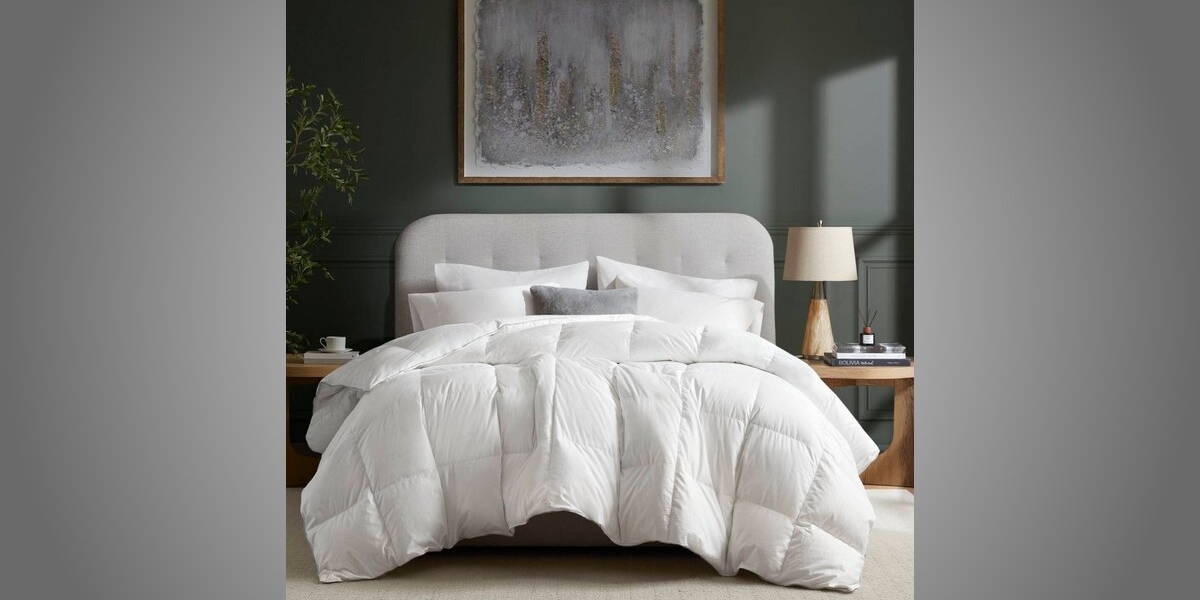

Yes, linen bedding is worth it for most people, especially hot sleepers and anyone who wants bedding that lasts for years. Linen is made from flax fibers, which are highly breathable, wick moisture well, and get softer with every wash. It costs more upfront than cotton, but its durability often makes it the better long-term value.
That said, linen isn't for everyone. It has a natural texture and a relaxed, rumpled look that some people love and others don't. If you're thinking about making the switch, here's what you should know first.
What Makes Linen Different From Other Bedding
Linen behaves differently from cotton or microfiber because of the flax fiber itself. The fibers are long, strong, and slightly hollow, which gives linen a few clear advantages.
- Breathability: Linen's loose, airy weave lets body heat escape instead of trapping it under the covers.
- Moisture control: Flax can absorb moisture and release it quickly, so the bed feels dry rather than clammy on warm nights.
- Durability: Linen is one of the strongest natural fibers. Well-made linen bedding can last many years with regular use.
- Softness over time: New linen can feel a little crisp. After several washes, it relaxes into a soft, lived-in feel that many people prefer to anything else.
There's also a sustainability angle. Flax typically needs less water and fewer pesticides than conventional cotton, which makes linen a popular choice for people who care about how their bedding is made.
Is Linen Only for Summer?
Linen has a reputation as summer bedding, but it actually works all year. The same breathability that keeps you cool in July also helps regulate temperature in colder months.
In summer, a linen quilt or duvet cover over light sheets is often all you need. The fabric stays cool against your skin and dries quickly if you sweat at night.
In winter, linen works best as part of a layered bed. Pair a linen duvet cover with a warm comforter insert, or add a heavier blanket over a linen quilt. Because linen breathes, you stay warm without that stuffy, overheated feeling that synthetic layers can create.
For couples who sleep at different temperatures, linen is a smart compromise. It doesn't trap heat for the warmer partner, and extra layers can easily be added for the cooler one.
Pure Linen vs. Linen Blend: Which Should You Choose?
When shopping, you'll usually see two options.
- Pure linen: Made entirely from flax, often French or European flax. It offers maximum breathability, the classic textured look, and the longest lifespan. It also wrinkles the most.
- Linen blend: Linen mixed with cotton or another fiber. Blends feel smoother right away, wrinkle a little less, and are often more affordable, while still keeping much of linen's airy feel.
If you want the full linen experience, choose pure linen. If you prefer a softer, slightly more polished finish, a blend is a great middle ground.
Another term worth knowing is garment washed. This means the fabric has been pre-washed during production, so it feels soft from the first night instead of needing several washes to break in. It also gives linen that relaxed, effortlessly rumpled look.
It's also worth checking for certifications like OEKO-TEX, which confirms the fabric has been tested for harmful substances.
How to Care for and Style Linen Bedding
Linen is much easier to care for than its reputation suggests. A few simple habits keep it soft and long-lasting.
- Wash in cool or lukewarm water on a gentle cycle.
- Skip bleach and heavy fabric softeners, which can weaken the fibers.
- Tumble dry on low and remove while slightly damp, or line dry for a fresher feel.
- Don't bother ironing unless you really want a crisp look. Linen's natural wrinkles are part of its charm.
When it comes to styling, linen pairs beautifully with neutral and earthy tones like white, sand, sage, and soft gray. A linen quilt layered over a linen duvet cover creates a relaxed, coastal-inspired bed that looks inviting without trying too hard. Add a chunky knit throw or a few textured pillows for depth.
If you're ready to try linen, the Harbor House Living linen bedding collection is a good place to start. It includes a French flax linen garment washed quilt set and a linen blend double flange duvet cover set, both made with OEKO-TEX certified linen for breathable, coastal-style comfort.
Linen asks for a little patience at first, but it pays you back every night you sleep on it.
Frequently Asked Questions
Is linen bedding good for hot sleepers?
Yes. Linen is one of the best fabrics for hot sleepers because it is highly breathable and wicks moisture away from the skin, keeping the bed cool and dry.
Does linen bedding get softer over time?
Yes. Linen softens with every wash. Garment washed linen feels soft from the start and continues to improve with use.
Why is linen bedding more expensive than cotton?
Linen costs more because flax is harder to grow and process. However, linen is very durable and often lasts longer than cotton, which makes it a good long-term investment.









