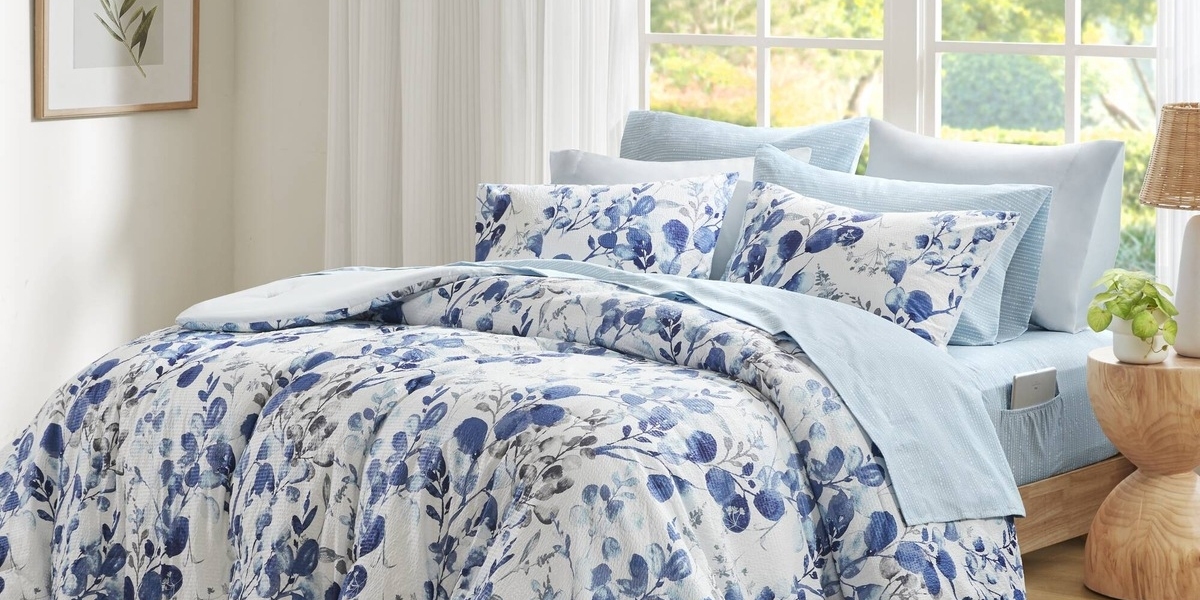

The best kids bedding is durable, machine washable, correctly sized, and designed in a way your child actually likes. Look for soft cotton or easy-care polyester blends that survive frequent washing, a complete set with sheets and shams, and a mattress protector underneath. Reversible comforters are a bonus because they let you change the room's look without buying new bedding.
Anyone who has stripped a bed at 2 a.m. after a spilled juice box knows kids' rooms are tough on bedding. The right choices up front save money, time, and a lot of laundry stress. Here's how to pick bedding that works now and keeps working as your child grows.
Put Durability and Easy Care First
In a child's room, bedding gets washed more often than almost anywhere else in the house. Spills, muddy shoes, pets, and the occasional nighttime accident are all part of the deal.
- Machine washable is non-negotiable. If a comforter needs dry cleaning, it simply won't get cleaned often enough.
- Choose fabrics that hold up. Cotton is soft and breathable, while polyester and microfiber blends resist wrinkles, dry quickly, and keep colors bright after repeated washes.
- Check the stitching. Tight, even seams and secure edges stop comforters from fraying or losing their fill.
- Look for fade-resistant prints. A bright dinosaur pattern should still look bright after twenty washes, not washed out by spring.
It also helps to keep one spare sheet set on hand. When the bed needs a quick change, you won't have to wait for the dryer.
Get the Size Right and Think in Complete Sets
Kids' beds come in more sizes than most parents expect. A toddler moving into a first big-kid bed usually needs Twin. Older kids and teens may switch to Full or Queen. College dorms often use Twin XL, which is about five inches longer than a standard Twin, so regular Twin sheets won't fit.
Always check the mattress depth too. Thick mattresses or toppers need fitted sheets with deeper pockets so the corners don't pop off at night.
Buying a complete set, sometimes called a bed in a bag, makes life easier. These usually include a comforter, sheets, pillowcases, and shams that already match. Instead of piecing together five separate products, you get a coordinated bed in one purchase. For busy families, that's a real time saver.
Pick Designs That Grow With Your Child
Kids' tastes change fast. The dinosaur phase at six often turns into a request for something "less babyish" by ten. Planning for that saves you from replacing bedding every year.
- Let them choose. Kids who pick their own bedding are often more excited about sleeping in their own room. Offer two or three options you're happy with and let them decide.
- Go reversible. A reversible comforter with a playful print on one side and a simple pattern on the other gives two looks in one. Flip it when they're ready for a change.
- Balance bold with neutral. Pair a fun comforter with solid sheets. When the theme gets outgrown, you only need to replace one piece.
- Plan for teens. Older kids and college students usually lean toward calmer styles like stripes, coastal prints, or soft solids. These work well in dorms and shared rooms.
Popular themes for younger kids include dinosaurs, florals, unicorns, and animal prints. Whatever the theme, choose colors that work with the room's walls and furniture so the space still feels pulled together.
Don't Skip Comfort and Protection
A great-looking bed means little if your child doesn't sleep well in it. Comfort and protection deserve as much attention as the print.
- Match warmth to your child. Kids often run warmer than adults. A lightweight or cooling comforter can help restless, sweaty sleepers stay comfortable, while a plush comforter suits colder rooms.
- Use a mattress protector. A waterproof protector guards against spills and accidents and extends the life of the mattress. A quilted mattress pad adds a little extra softness on top.
- Keep it simple. Too many decorative pillows end up on the floor. One or two is plenty for a kid's bed.
If you want everything in one place, the Regency Heights Kids & Youth collection offers fun prints like dinosaurs and florals, reversible comforter sets with matching sheets, cooling comforters, and waterproof mattress protectors. Sizes run from Twin to King, so it works for a toddler's first bed as well as a teen's dorm room.
The goal isn't a picture-perfect room. It's a bed your child is happy to crawl into every night, and one you're not afraid to wash.
Frequently Asked Questions
What is the best fabric for kids bedding?
Cotton is soft and breathable, while polyester and microfiber blends are durable, wrinkle-resistant, and quick-drying. Both work well for kids as long as the bedding is machine washable.
What size bedding does a child need?
Most children start with Twin bedding when they move to a big-kid bed. Older kids may use Full or Queen, and many college dorms require Twin XL.
Do kids need a mattress protector?
Yes. A waterproof mattress protector shields the mattress from spills and accidents, keeps it cleaner, and helps it last longer.