
Muscle tightness, lingering soreness, and restricted movement can make everyday activities more difficult than they should be. Discomfort may affect the way you exercise, sit at work, complete household tasks, or enjoy your favorite hobbies. When these problems continue, understanding the available treatment options can help you make informed decisions about your physical health.
Physical Therapy Advantage recognizes that movement concerns can affect everyone differently. Dry needling is one technique that a qualified, appropriately trained healthcare professional may use as part of a broader physical therapy plan for certain muscle and movement problems. For people searching for Dry needling near me, learning how the technique works, what to expect, and how it may complement rehabilitation can be a useful starting point.
What Is Dry Needling and How Does It Work?
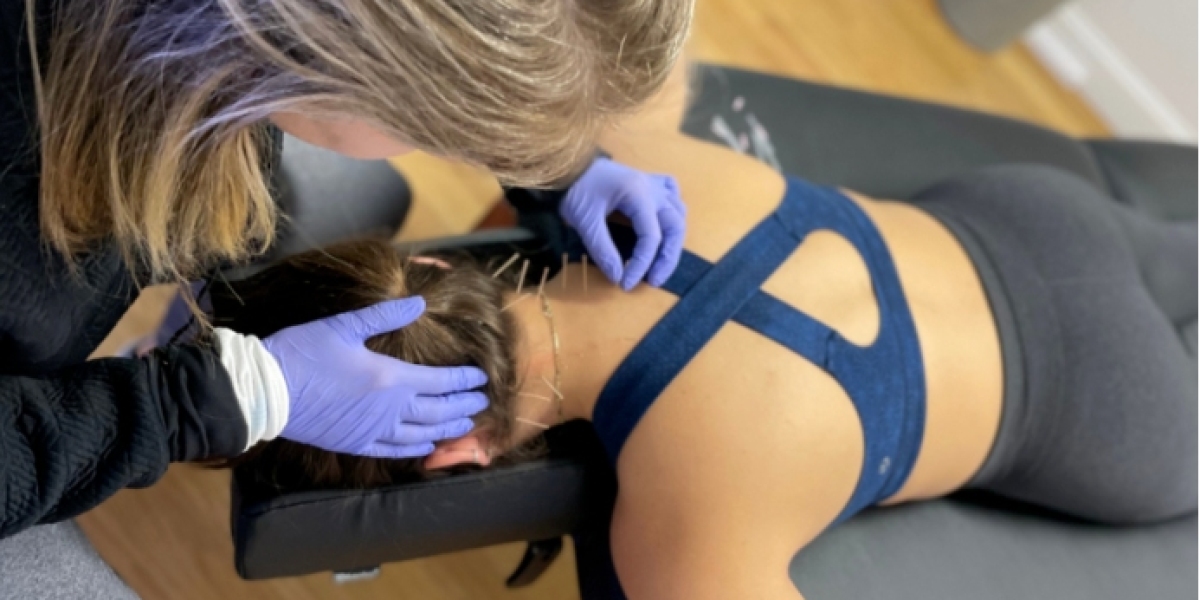
Dry needling is a treatment technique in which a trained practitioner inserts a thin, solid needle into selected muscle or other soft-tissue areas. The needle does not contain medication or inject any substance into the body. Practitioners may use the technique to address sensitive muscle areas, often called trigger points, that are associated with pain or movement restrictions.
The treatment is intended to help manage certain musculoskeletal symptoms and may support improvements in comfort or range of motion for some people. However, results vary depending on the individual, the condition being treated, and the overall rehabilitation approach.
Dry needling is different from a medication injection because nothing is injected through the needle. It is also distinct from traditional acupuncture, which has different origins and treatment principles, even though both techniques use fine needles.
Dry needling is not a universal solution for muscle pain. A proper assessment helps determine whether it may be suitable and whether other treatment methods should be considered.
Common Reasons People Consider Dry Needling
Muscle discomfort can develop for many reasons, including repetitive movements, physical overexertion, injury, and certain musculoskeletal conditions. In some cases, tight or sensitive muscle areas may contribute to discomfort or make specific movements difficult.
Depending on an individual's assessment, dry needling may be considered as part of a treatment plan for concerns such as:
Muscle tightness and localized tenderness.
Certain neck and shoulder discomfort patterns.
Some types of back or hip muscle pain.
Movement restrictions associated with muscular tension.
Certain sports-related muscle complaints.
Reduced comfortable range of motion related to musculoskeletal symptoms.
These are potential applications rather than guaranteed indications for treatment. Similar symptoms can have different underlying causes, so a healthcare professional should assess the problem before recommending an intervention.
For anyone searching for Dry needling near me, it is helpful to focus on finding a qualified practitioner who evaluates the source of the symptoms instead of recommending the same technique for every concern.
How Dry Needling May Fit Into Physical Therapy
Dry needling is often most useful when considered alongside other appropriate rehabilitation strategies rather than as a standalone answer to every movement problem.
For example, a person with muscle discomfort may receive treatment intended to reduce symptoms, followed by exercises that help improve strength, mobility, or movement control. Another person may need a combination of education, gradual activity progression, and targeted exercises to address the factors contributing to their difficulties.
The appropriate plan depends on the individual's evaluation and goals. A physical therapist may assess strength, flexibility, joint mobility, posture, movement patterns, and functional activities before deciding whether dry needling is suitable.
Physical Therapy Advantage emphasizes the importance of connecting treatment decisions with practical goals. These may include moving more comfortably, returning to exercise, managing daily responsibilities, or improving tolerance for specific activities.
Dry needling may provide short-term relief for some people, but the evidence varies by condition, and lasting improvement is not guaranteed. Rehabilitation should be reviewed according to how the person responds and whether meaningful functional progress occurs.
What to Expect During a Dry Needling Appointment
Knowing what may happen during an appointment can make the process feel more understandable. Before treatment, a qualified practitioner should discuss your symptoms, relevant medical history, treatment goals, and any factors that could affect safety.
An assessment may include examining the affected area, evaluating relevant movements, and identifying whether dry needling is appropriate. You should have an opportunity to ask questions and understand the proposed treatment before giving consent.
If dry needling is recommended, the practitioner generally cleans the treatment area and uses appropriate sterile, single-use needles. The technique and the number of needles depend on the area being treated, the clinical assessment, and the person's tolerance.
Some people experience a brief sensation, muscle twitch, or temporary discomfort during treatment. Others may find the experience relatively mild. Responses differ, so communication with the practitioner is important.
After treatment, the practitioner may reassess movement and recommend suitable exercises or activity adjustments. You should receive clear guidance about expected soreness, aftercare, and when to report an unusual reaction.
Potential Benefits and Realistic Expectations
People exploring Dry needling near me often want to know whether the technique will reduce pain or help them move more comfortably. Research suggests that dry needling may provide pain relief and improve movement for some musculoskeletal conditions, but the strength of the evidence varies, and outcomes are not the same for everyone.
Potential benefits may include:
Temporary reduction in discomfort: Some people experience less muscle-related pain following treatment.
Improved movement: A reduction in symptoms may make certain movements feel easier or more comfortable.
Support for rehabilitation: If discomfort is limiting exercise participation, symptom relief may help some individuals take part in an appropriate exercise program.
An additional treatment option: When clinically appropriate, dry needling may complement other physical therapy interventions.
These possible benefits should not be interpreted as a promise of recovery. The most appropriate treatment may differ depending on the diagnosis, symptom duration, general health, and response to previous care.
A useful way to evaluate treatment is to consider whether it helps you make progress toward a specific goal, such as reaching more comfortably, walking with less difficulty, or returning gradually to a preferred activity.
Safety Considerations Before Treatment
Although dry needling is generally considered a low-risk procedure when performed appropriately, it is an invasive technique and carries potential risks. Temporary soreness, bruising, minor bleeding, stiffness, or light-headedness may occur. More serious complications, although uncommon, are possible.
Before treatment, tell your practitioner about relevant medical conditions, medications that affect bleeding, allergies, pregnancy, recent surgery, immune-system concerns, and any history of significant needle anxiety. These factors may require additional precautions or mean that treatment should be postponed or avoided.
Dry needling should be performed only by a practitioner with appropriate training, competence, and authorization under the applicable local rules. Do not attempt to perform the procedure yourself.
You should also be able to decline treatment or ask for it to stop if you feel uncomfortable. A qualified practitioner should explain the potential benefits, risks, and available alternatives before proceeding.
If you experience unusual or worsening symptoms after treatment, seek appropriate medical advice. Severe chest pain or difficulty breathing following needling requires emergency assessment.
Choosing the Right Provider for Dry Needling Near Me
Finding a suitable provider involves more than selecting a convenient appointment. It is important to choose someone who understands your symptoms, assesses your movement, and can explain why a particular treatment may be appropriate.
When comparing providers, consider asking:
What qualifications and specific training do you have in dry needling?
Will you assess my condition before recommending the technique?
How might dry needling fit into my broader treatment plan?
What side effects or precautions should I understand?
How will we measure whether treatment is helping?
What other treatment options are available if dry needling is unsuitable?
You may also want to clarify appointment availability, treatment costs, insurance coverage, and any requirements that apply before beginning care.
A good provider should explain recommendations in understandable language and avoid promising guaranteed results. Treatment decisions should be based on your individual circumstances, not simply on the popularity of a particular technique.
Physical Therapy Advantage encourages people to discuss their movement concerns with a qualified healthcare professional and explore treatment options that align with their needs. Contact the practice directly to confirm whether dry needling is currently offered and whether an evaluation may be appropriate for your situation.
Supporting Recovery Between Appointments
Treatment is only one part of managing movement-related discomfort. Depending on the condition, a practitioner may recommend appropriate exercises, gradual activity progression, or changes to activities that aggravate symptoms.
Follow the aftercare instructions provided by your practitioner. Mild temporary soreness may occur, so ask when you can safely resume strenuous exercise or other demanding activities.
If your treatment plan includes home exercises, complete them as instructed. Exercises should match your abilities and rehabilitation goals rather than cause significant or unexpected pain.
It can also help to monitor changes in everyday function. Notice whether you can perform certain movements more comfortably, tolerate activity for longer, or complete tasks that previously caused difficulty. Share these observations at follow-up appointments.
If improvement does not occur, or symptoms repeatedly return, your practitioner may need to reassess the underlying problem and consider other treatment options. Continuing the same intervention without reviewing its effectiveness may not be the best approach.
Conclusion
Muscle discomfort and movement restrictions can interfere with work, exercise, and daily responsibilities. Dry needling may help some people manage particular musculoskeletal symptoms, but its suitability depends on an individual's condition, assessment, and treatment goals.
For people searching for Dry needling near me, the most important step is finding a qualified practitioner who explains the procedure, discusses potential risks, and considers how the technique may fit into a broader rehabilitation plan.
Physical Therapy Advantage recognizes the value of individualized care and realistic recovery goals. By seeking appropriate professional guidance, asking informed questions, and tracking changes in everyday movement, individuals can make better-informed decisions about their treatment options and work toward improved comfort and function.









