
Sometimes, a refrigerator is operating under an unfamiliar setting, an air-conditioning system needs a basic inspection, or a navigation device is simply configured incorrectly. The challenge is determining which situation you are dealing with before spending money or making changes that could create additional problems.
A useful troubleshooting method starts with one question: What exactly is the device doing, and what should it be doing instead? Once that difference is clear, the next step becomes easier to identify.
This decision guide covers three different categories of equipment and explains how to approach common problems without relying on guesswork.
Case One: Your Frigidaire Appliance Is Not Behaving Normally
Imagine opening your refrigerator and noticing that the food does not feel as cold as usual. Alternatively, your dishwasher may stop during a cycle, or your freezer may display an unfamiliar indicator. Your first reaction might be to assume that a component has failed, but several simpler explanations are worth checking first.
Decision point A: Is the appliance receiving power?
If the display is blank or the appliance does not respond, begin with the power supply.
Check whether the appliance appears to be receiving electricity.
Inspect accessible plugs and connections for obvious problems.
Look for a tripped circuit breaker if it is safe to do so.
Check the control panel for a lock mode, delayed start, or another setting that could explain the behavior.
Do not touch damaged wiring or repeatedly reset a circuit that continues to trip. Electrical faults require appropriate professional attention.
If the appliance has power but still does not operate as expected, continue to the next check.
Decision point B: Is the problem related to a setting or operating condition?
A refrigerator may have an unsuitable temperature setting, while a dishwasher may be waiting for a selected cycle to begin. A freezer's displayed status may also depend on its operating mode.
Start by checking the settings and operating instructions for the specific appliance. Avoid changing several controls at once, because doing so makes it harder to determine which adjustment affects the problem.
The phrase frigidaire manuals and guides is a useful starting point when searching for product-specific operating instructions, maintenance recommendations, and troubleshooting procedures. Identify the complete model number before selecting a document. Instructions for a refrigerator will not necessarily apply to a dishwasher, and two similar appliances may use different controls.
Decision point C: Is there a warning, unusual noise, or persistent performance problem?
If the appliance displays an error code, record it exactly as shown. Check the corresponding explanation in the manufacturer's documentation rather than guessing what the code means.
Also consider whether the problem is accompanied by unusual heat, a burning smell, smoke, leaking water, or repeated electrical interruptions. If so, stop using the appliance when necessary and arrange professional assistance.
Your decision: If the issue is explained by a normal setting or a permitted routine check, follow the documented procedure. If the warning persists or the appliance shows signs of a serious fault, do not attempt an improvised repair.
Case Two: Your Fujitsu Air Conditioner Is Not Keeping the Room Comfortable
Air-conditioning problems can be particularly confusing because the system may appear to be running even when the room is not reaching the desired temperature. The fan may operate, the display may respond, and the unit may produce some airflow without delivering the expected result.
Rather than immediately assuming that the system needs servicing, work through the following decision points.
Decision point A: Is the operating mode correct?
Check whether the air conditioner is set to cooling, heating, fan-only, or another available mode. A temperature setting that makes sense in one mode may not produce the result you expect in another.
Confirm the target temperature and fan settings. If the unit supports a timer or scheduled operation, make sure an active schedule is not affecting its behavior.
The available functions depend on the model, so use the corresponding Fujitsu documentation instead of assuming that every remote control works in the same way.
Decision point B: Is airflow restricted?
If the system runs but airflow seems weak, inspect the accessible filters according to the manufacturer's instructions. Dust accumulation can interfere with airflow and reduce performance.
Before cleaning, switch the equipment off and follow the safety guidance in the manual. Do not reach into internal mechanisms or remove panels that are not intended for routine user maintenance.
If the filters are clean and airflow remains unusually weak, there may be another cause that requires further investigation.
Decision point C: Does the problem persist after basic checks?
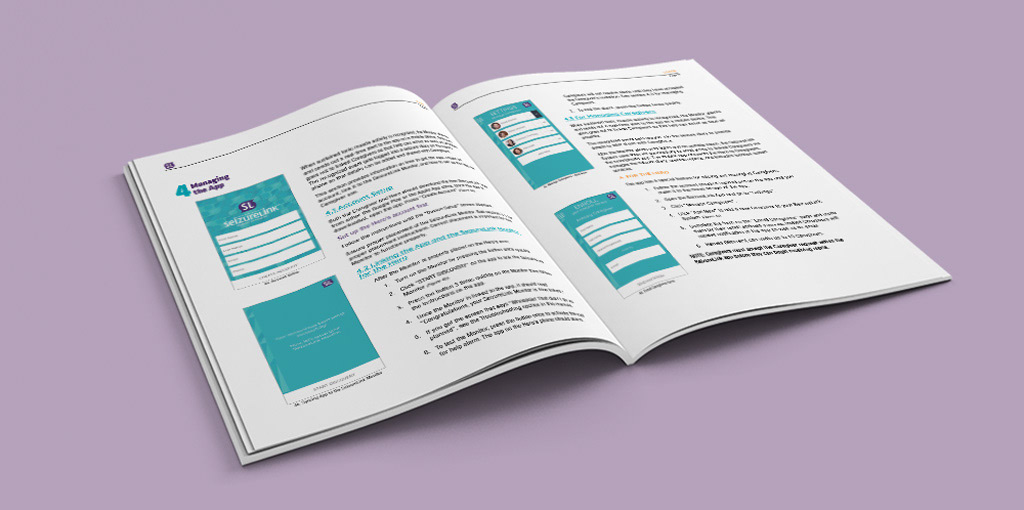
Search for Fujitsu user manuals using the exact indoor-unit or system model. Depending on the product, the documentation may explain indicator lights, remote-control functions, filter maintenance, and troubleshooting steps.
Record any blinking indicators or error codes. These details can help distinguish a configuration issue from a fault that needs professional diagnosis.
If the unit produces unusual mechanical noises, repeatedly stops, leaks, or fails to heat or cool despite correct settings, contact a qualified HVAC technician. Refrigerant handling and internal electrical repairs are not suitable guesswork projects.
Your decision: Incorrect settings or routine filter maintenance may explain some performance problems. Persistent faults, abnormal noises, or repeated error indicators warrant further investigation rather than increasingly aggressive adjustments.
Case Three: Your Garmin Device Is Giving Unexpected Results
Navigation and fitness devices create a different troubleshooting challenge. They may turn on normally yet display an inaccurate position, fail to synchronize information, or provide unexpected measurements.
Because these devices depend on settings, sensors, connections, and software, identifying the symptom is more useful than immediately performing a factory reset.
Decision point A: Is the issue related to positioning?
If a navigation device takes longer than expected to establish its location, consider the surrounding environment. Buildings, dense tree cover, and other obstructions can affect satellite reception.
Move to a location with a clearer view of the sky when appropriate, and allow the device time to establish its position. Check its positioning status before assuming that the hardware is defective.
If the device consistently reports inaccurate locations in suitable conditions, consult its model-specific troubleshooting instructions.
Decision point B: Is synchronization failing?
If information does not appear in a connected application, check the connection between the device and the phone or computer. Confirm that the relevant wireless connection is enabled and that the devices are paired as required.
Also check whether synchronization is still in progress. Disconnecting and reconnecting repeatedly may interrupt an operation that simply needs more time.
The correct procedure depends on the Garmin product and its supported connection methods. Garmin user manuals can help identify the available features, connection requirements, and recommended troubleshooting steps.
Decision point C: Are measurements or activity records inconsistent?
For a fitness device, check whether the activity profile, sensor settings, and measurement options match the activity you are performing. Wrist-based measurements can vary with fit, movement, and environmental conditions.
If the device uses an external sensor, confirm that the sensor is compatible and connected correctly. Compare repeated measurements under similar conditions rather than drawing conclusions from a single unusual reading.
If the issue persists, check for model-specific guidance and available software updates. Before resetting the device, consider whether the procedure could remove settings or locally stored information you want to retain.
Your decision: Environmental conditions and configuration can explain some unexpected results. Persistent errors, failed sensors, or repeated synchronization problems may require additional troubleshooting or support.

Quick Decision Table: What Should You Do Next?
| Symptom | First check | When to escalate |
|---|---|---|
| Refrigerator or freezer is not cooling properly | Temperature settings and operating conditions | Persistent cooling failure or a warning that requires service |
| Dishwasher stops during a cycle | Selected program and displayed error code | Repeated failure, leaking, or an unresolved fault |
| Air conditioner provides weak airflow | Operating mode and accessible filters | Continued poor performance or abnormal noises |
| Air conditioner displays an error | Record the indicator and check the model-specific instructions | The error persists or indicates a service fault |
| Garmin device cannot establish its location | Try an appropriate open area and check positioning status | Repeated inaccurate positioning in suitable conditions |
| Garmin device will not synchronize | Check pairing and the connection method | Persistent connection errors after documented checks |
The table is a starting point, not a substitute for the instructions supplied for the exact product.
How to Find the Correct Manual Without Wasting Time
A manual is most useful when it matches the equipment and the problem. Searching by brand alone can return documentation for several different product families.
Use this simple method:
Find the model number. Check the product label, device settings, or original paperwork.
Describe the symptom. Write down what happens, when it happens, and any displayed message.
Choose the relevant document. Confirm that the model and product category match.
Locate the appropriate section. Look for operating instructions, troubleshooting, maintenance, or error-code explanations.
Follow the recommended sequence. Avoid skipping safety checks or changing several settings simultaneously.
Record the outcome. If the issue continues, note which documented steps you have already completed.
If a procedure involves exposed electrical components, refrigerant systems, damaged wiring, or other specialized work, stop and seek qualified assistance.
Frequently Asked Questions
Should I reset a device whenever it develops a problem?
No. A reset can sometimes help with a temporary software issue, but it may also remove schedules, saved preferences, or other information. Check the troubleshooting instructions first and understand what the reset will change.
Can I use instructions for another model from the same brand?
Only if the manufacturer confirms that the procedure applies. Similar-looking products can have different controls, sensors, components, and safety requirements.
How can I tell whether a problem is caused by settings or hardware?
Begin with the basic checks described in the correct manual. If the issue disappears after correcting a setting, the cause may have been configuration-related. If it persists, produces an error, or involves unusual mechanical or electrical behavior, further diagnosis may be necessary.
What should I prepare before contacting customer support?
Have the model number available, describe the symptoms clearly, and record any error codes. Explain when the problem started and which recommended checks you have already tried. This information can make support more efficient.
Is professional repair always necessary when a warning appears?
Not always. Some indicators describe routine conditions or maintenance reminders, while others signal faults that require attention. Consult the model-specific documentation to understand the warning and follow any instructions to stop using the equipment.
The Best Troubleshooting Decision Is an Informed One
A Frigidaire appliance, a Fujitsu air-conditioning system, and a Garmin navigation or fitness device may seem to have little in common. Yet the same decision-making method works across all three: identify the exact model, define the symptom, perform appropriate basic checks, and use the manufacturer's instructions to determine the next step.
The objective is not to solve every technical problem without assistance. It is to recognize which issues can be addressed safely through routine operation and which require professional expertise. That distinction helps protect the equipment, avoid unnecessary changes, and make troubleshooting a more deliberate process.