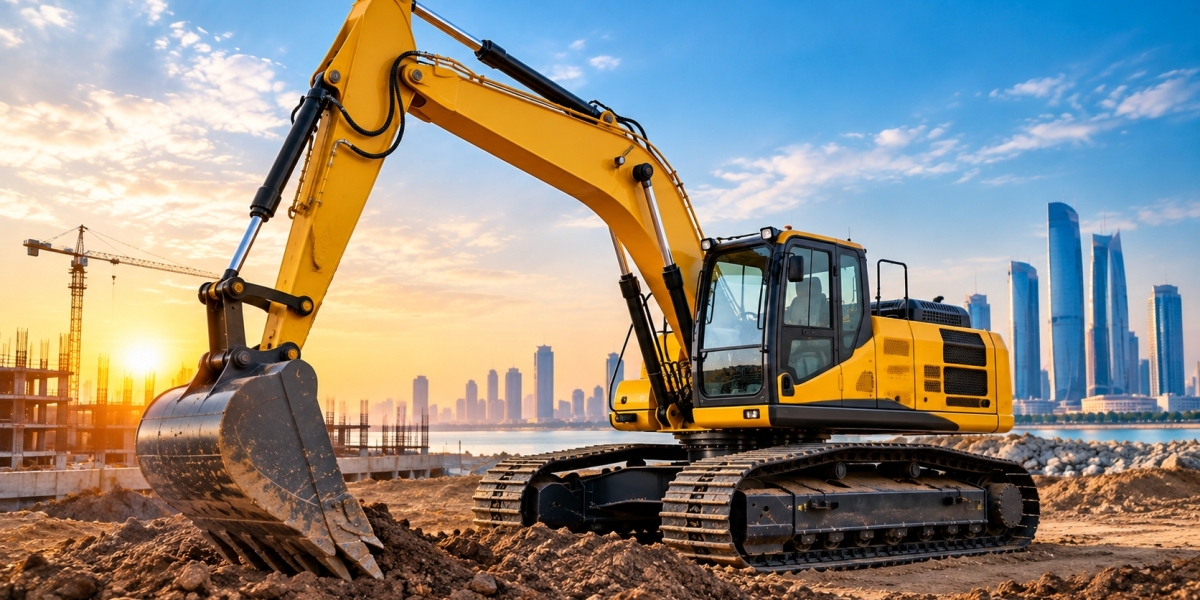

Construction projects depend on more than skilled workers and suitable building materials. The machinery used on site also plays an important role in productivity, safety, scheduling, and cost management. From preparing the ground to lifting materials and completing final site work, contractors need equipment that matches the project's size and technical requirements.
Choosing machinery without proper planning can lead to delays, unnecessary rental expenses, and difficulties coordinating different construction activities. A clear understanding of equipment categories and their applications helps contractors make practical decisions before work begins.
Understanding the Main Stages of Construction
The machinery required for a project depends largely on its stage of development. Initial groundwork may involve clearing vegetation, removing unwanted soil, excavating foundations, and preparing access routes. Later activities can require lifting equipment, material handling machines, and specialised tools.
For example, a contractor building a commercial property may need excavators during the early stages, loaders for moving loose material, and lifting equipment when structural components arrive. Smaller residential projects may require compact machinery that can operate within restricted boundaries.
Creating an equipment plan at the beginning helps project managers identify which machines are essential, when they will be needed, and how long they should remain on site.
This approach also makes it easier to coordinate deliveries and avoid bringing equipment onto the site before the work area is ready.
Excavators for Digging and Ground Preparation
Excavators are among the most widely used machines in construction. They are designed to dig soil, remove material, prepare trenches, and support various groundwork activities.
Compact excavators are often suitable for landscaping, small foundations, residential improvements, and utility installation. Their dimensions can make them useful where access is limited.
Larger excavators may be more appropriate for substantial excavation, deep foundations, and projects involving significant quantities of soil. The correct model depends on the required digging depth, working reach, bucket capacity, ground conditions, and available space.
Contractors should not select an excavator based solely on its operating weight. Two machines in a similar weight category may have different digging capabilities and operating specifications.
Before hiring, assess the site and define the work requirements. Accurate measurements help the equipment provider recommend machinery that can complete the task efficiently.
Loaders for Moving Soil and Materials
Loading equipment supports many activities throughout a construction project. Loaders can move loose soil, gravel, sand, and other materials between storage areas, work zones, and transport vehicles.
They can also help clear certain sections of a site and prepare areas for subsequent construction activities. Their value is particularly noticeable when materials need to be moved repeatedly.
However, loaders and excavators perform different primary functions. An excavator is generally designed for digging with an articulated arm and bucket, while a loader is commonly used to scoop, carry, and move loose material.
Contractors should determine whether one machine can reasonably perform the required tasks or whether separate equipment will improve productivity. The answer depends on the site's layout, material volume, transport arrangements, and schedule.
Lifting Equipment for Heavy Loads
Construction sites often receive materials that cannot be moved safely by hand. Steel components, packaged supplies, equipment, and other heavy items may require specialised lifting machinery.
The choice of lifting equipment depends on the load's weight, dimensions, lifting height, travel distance, and the available operating area. Forklifts may suit palletised materials and warehouse-style handling, while cranes or other lifting systems may be needed for loads that require greater reach or height.
Contractors must verify the rated capacity of the selected machine and consider how that capacity changes under different operating conditions. The load's centre of gravity, lifting accessories, and ground stability can all affect safe operation.
Planning material deliveries in advance also helps prevent congestion. If lifting equipment arrives before the unloading area is prepared, vehicles and workers may be left waiting.
Choosing a Reliable Equipment Rental Arrangement
Purchasing every machine required for a construction project may not be practical, especially when certain equipment is only needed for a limited period. Renting provides access to machinery without requiring the contractor to own and maintain an entire fleet.
When comparing Heavy Equipment Rental Abu Dhabi options, contractors should examine the full agreement rather than focusing only on the advertised daily price.
Important factors include:
Equipment specifications and current condition.
Rental duration and extension terms.
Delivery and collection arrangements.
Operator availability and qualifications.
Fuel and maintenance responsibilities.
Breakdown support and replacement procedures.
Insurance requirements and applicable charges.
A clear quotation makes it easier to compare providers fairly. Contractors should also explain the work requirements accurately so that the recommended equipment is suitable for the actual site conditions.
Rental decisions should be connected to the project schedule. Equipment needed only during the groundwork stage may not need to remain on site once excavation is complete.
Planning Equipment Delivery and Site Access
Machinery delivery requires careful coordination. Large equipment may need specialised transport, sufficient unloading space, and a suitable route into the work area.
Before confirming delivery, check entrance widths, overhead restrictions, ground stability, turning space, and any limitations affecting transport vehicles. Remove unnecessary obstacles and identify a safe location where machinery can be unloaded.
The work area should be ready when the equipment arrives. This includes completing necessary site preparation, establishing access routes, and confirming that the team is available to begin operations.
When multiple machines are required, schedule their arrival according to the sequence of work. This can reduce congestion and prevent equipment from occupying valuable space before it is needed.
Managing Rental Costs and Equipment Use
Machinery costs can become difficult to control when equipment remains idle or is hired for longer than necessary. A realistic schedule helps contractors match the rental period to the actual work requirements.
Break the project into stages and estimate when each machine will be needed. Include time for delivery, setup, inspections, and the completion of related tasks.
Also consider costs beyond the rental rate. Transportation, fuel, operator fees, attachments, and additional usage charges may affect the total budget.
Equipment should be used according to its intended purpose and operating limits. Attempting to make an unsuitable machine perform tasks beyond its capabilities can increase the risk of damage, delays, and additional expenses.
Regular communication between the site supervisor, operators, and rental provider helps identify problems early and makes it easier to adjust the equipment schedule when project requirements change.
Maintenance and Equipment Inspections
Machinery must be in suitable working condition to perform reliably. Contractors should confirm that hired equipment has been maintained according to the manufacturer's recommendations and that any required inspections have been completed.
Before use, operators should carry out the appropriate checks and report visible damage, unusual sounds, leaks, or other concerns. Existing damage should be documented when the equipment is delivered to help avoid disagreements when it is returned.
The rental agreement should clarify who is responsible for routine checks, refuelling, servicing, and reporting faults. If a breakdown occurs, the contractor should follow the provider's reporting process and avoid using equipment that may be unsafe.
Reliable maintenance arrangements help reduce unexpected interruptions and support safer operations.
Establishing Safe Working Practices
Construction machinery introduces risks involving moving vehicles, suspended loads, unstable ground, underground services, and nearby workers. Safety measures must be established before equipment starts operating.
Contractors should identify underground utilities, organise restricted work zones, and ensure that operators are suitably trained for their equipment. Workers should understand the site's communication procedures and remain clear of operating machinery.
Equipment must be used within its rated capacity and according to the manufacturer's instructions. Particular care is required near trenches, slopes, buildings, and areas with limited visibility.
Weather conditions should also be monitored. Heavy rain, standing water, or changes in ground stability may affect the safe operation of machinery and require adjustments to the work plan.
Coordinating Machinery With the Construction Schedule
Effective machinery planning depends on coordination across the entire project. Excavation, material transport, lifting operations, and finishing activities should be arranged in a logical sequence.
For example, completing major ground preparation before bringing certain materials onto the site may reduce the risk of damage and congestion. Scheduling material deliveries to match lifting equipment availability can also reduce waiting time.
Project managers should review the schedule regularly and communicate changes to workers and equipment providers. Unexpected conditions are common in construction, so the plan should allow reasonable flexibility.
A well-organised machinery plan helps contractors make better use of available resources, manage expenses, and keep work moving between stages.
Building an Effective Machinery Plan
Every construction project has different equipment requirements. The best approach is to identify the work activities, assess site conditions, choose machinery with suitable specifications, and coordinate rental periods with the project schedule.
Contractors should also consider safety, maintenance, transport, and operator requirements before confirming an agreement. Comparing the complete cost of ownership or rental is more useful than focusing on one price alone.
With careful preparation and consistent communication, construction contractors can select equipment that supports efficient operations from initial groundwork through material handling and final site preparation.










