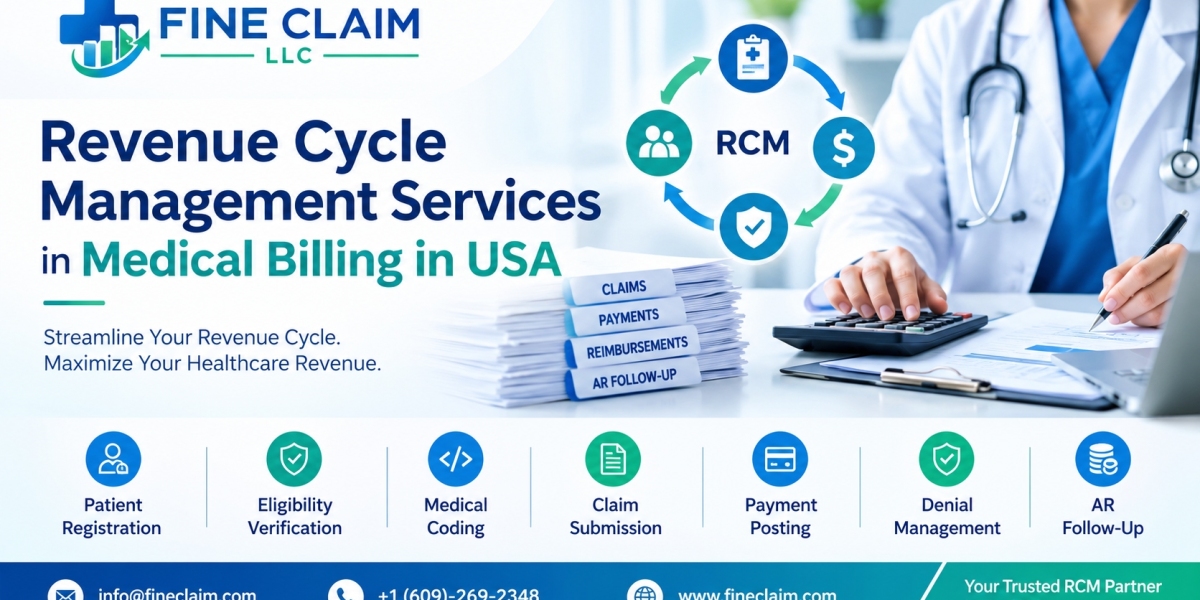

Before healthcare providers submit claims, they need accurate patient information and an understanding of applicable insurance coverage. Missing or outdated details can create claim rejections, reimbursement delays, and additional administrative work.
As part of Revenue Cycle Management Services in the USA, eligibility verification helps healthcare practices identify potential billing issues before services are provided.
What Is Insurance Eligibility Verification in Medical Billing?
Insurance eligibility verification is the process of checking a patient's insurance coverage and reviewing available information about benefits and service requirements. Depending on the payer, this process may provide details about active coverage, copayments, deductibles, coinsurance, and authorization requirements.
Insurance eligibility verification services in medical billing help practices prepare for billing by reviewing relevant information before an appointment or procedure.
However, an eligibility response is not a guarantee that a claim will be paid. Final reimbursement depends on factors such as the patient's coverage on the service date, plan rules, medical necessity, coding, documentation, and other applicable requirements.
Why Is Eligibility Verification Important for RCM?
It Helps Identify Coverage Issues Early
Incorrect policy numbers, inactive coverage, and outdated subscriber details can cause billing problems. Verifying available insurance information before services are provided gives practices an opportunity to investigate discrepancies and update records.
It Supports Patient Financial Communication
Understanding available benefit information can help practices communicate potential copayments, deductibles, and other patient responsibilities. Staff should explain that estimates may change based on claim adjudication and the patient's specific plan.
It Helps Identify Authorization Requirements
Some services require prior authorization or referrals under particular insurance plans. Reviewing applicable requirements in advance can help practices coordinate the necessary steps.
Eligibility verification does not replace authorization, and each process should be completed according to the relevant payer's rules.
How Does Eligibility Verification Fit into the Revenue Cycle?
Eligibility verification connects patient registration with downstream billing activities.
First, staff collect accurate demographic and insurance information. Next, coverage details and applicable requirements are checked using available payer systems. Any discrepancies are investigated and documented.
After services are provided, the billing team uses the relevant patient, provider, and clinical information to prepare the claim. Claims are then submitted and monitored for payer responses.
When eligibility issues are discovered only after submission, additional work may be needed to investigate coverage, correct claim information, or determine whether another billing action is appropriate.
Integrating verification into medical billing and RCM services in the USA helps establish a more coordinated workflow.
Can Outsourcing Eligibility Verification Help Practices?
Healthcare providers with limited administrative capacity may consider outsourcing eligibility checks to a specialized billing partner.
A qualified provider of outsourced medical billing services in the USA may help organize verification workflows, document results, and identify records requiring additional review.
Before outsourcing, practices should confirm which payers and verification methods are supported, how frequently checks are performed, how exceptions are handled, and how patient information is protected.
Healthcare organizations should also evaluate applicable HIPAA responsibilities and ensure that contractual arrangements address access to and handling of protected health information.
How Can Practices Measure Verification Performance?
Practices can monitor the percentage of scheduled visits verified before service, the frequency of eligibility-related denials, unresolved insurance discrepancies, and the timeliness of verification.
These measures should be defined consistently and interpreted alongside payer mix and appointment volume. The purpose is to identify workflow gaps rather than assume every eligibility-related problem can be eliminated.
Choosing an RCM Partner
When evaluating a revenue cycle management company in the USA, consider its experience with eligibility verification, claim submission, denial management, and accounts receivable follow-up.
A coordinated service provider can help connect early billing checks with later claim resolution. Clear communication, transparent reporting, and appropriate security controls are important when selecting an outsourcing partner.
Fine Claim LLC offers medical billing and revenue cycle management support for US healthcare providers seeking assistance with eligibility verification and related billing processes.
Conclusion
Insurance eligibility verification helps healthcare practices identify potential coverage issues, improve billing preparation, and support clearer patient financial communication. As part of broader Revenue Cycle Management Services in the USA, it contributes to a more organized approach to medical billing and reimbursement management.









