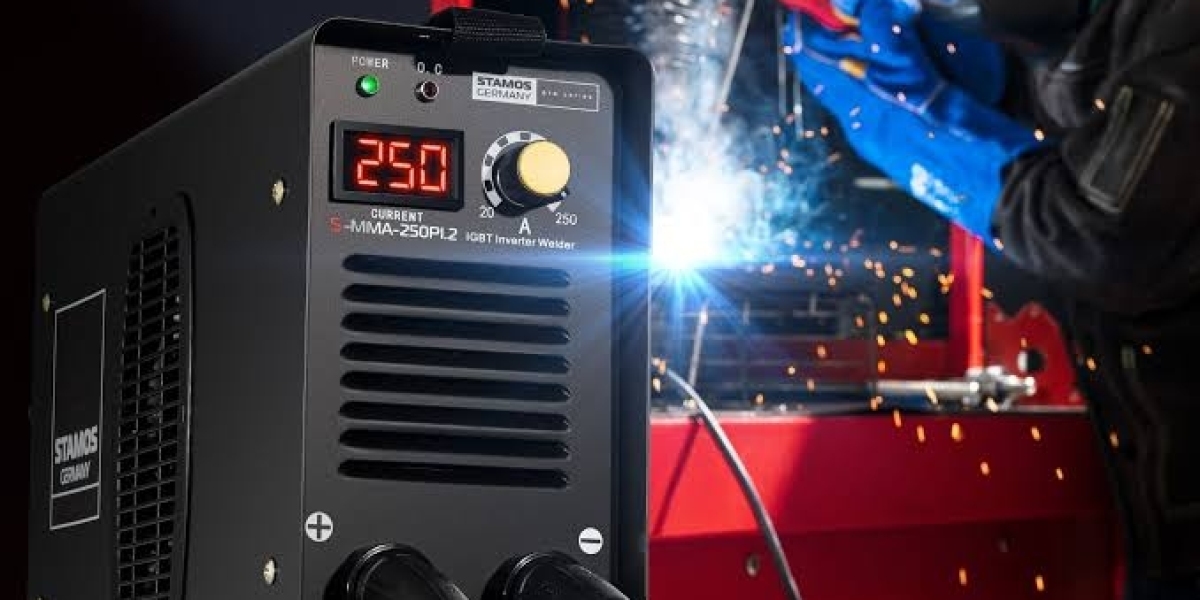

Projection welding is an advanced resistance welding process widely used in manufacturing to join metal components with strength, consistency, and precision. It is particularly valuable for industries that require dependable joints, efficient production, and repeatable welding results. By using specially designed raised projections on one or both metal workpieces, this process concentrates electrical current and welding pressure at specific points, helping create strong and consistent welds.
For manufacturers looking to improve production performance, Heron Welder offers welding solutions designed to support modern industrial requirements. With a focus on welding technology and manufacturing efficiency, heronwelder helps businesses explore reliable joining solutions for applications ranging from automotive components to metal assemblies and electrical products.
How Does Projection Welding Work?
Projection welding operates through the principles of electrical resistance and controlled pressure. The metal components are positioned between welding electrodes, and the raised projections concentrate the current in selected areas. As electrical current passes through the contact points, resistance generates heat, softening the metal locally. The electrodes apply pressure to complete the weld and create a secure joint.
This controlled process allows manufacturers to join multiple points during a single welding cycle, depending on the component design and equipment configuration. The result is an efficient approach to metal joining that supports consistent quality, accurate positioning, and streamlined manufacturing operations.
Key Advantages of Projection Welding
One of the main advantages of projection welding is its ability to deliver localized heat where the joint is needed. By concentrating the welding action at predetermined points, manufacturers can achieve dependable connections while maintaining better control over the welding process.
Another important advantage is production efficiency. Multiple projections can often be welded simultaneously when the component design and machine setup allow it. This capability can reduce the number of individual welding operations required and help manufacturers improve throughput.
Projection welding also supports repeatable results in high-volume production. When current, pressure, welding time, electrode condition, and component positioning are properly controlled, the process can produce uniform joints across successive workpieces. These qualities make it a valuable choice for businesses seeking reliable manufacturing performance.
Benefits for Modern Manufacturing
Improved Productivity: Projection welding can help increase production speed by combining multiple welding points into one cycle. This is especially beneficial for manufacturers producing large quantities of similar metal components.
Consistent Joint Quality: Carefully controlled welding parameters help create uniform joints. Consistency is important for maintaining product standards, meeting customer expectations, and supporting dependable downstream assembly operations.
Precise Heat Application: The projections focus the welding action on specific areas, allowing manufacturers to control where the joint forms. This feature is useful when working with components that require accurately positioned welds.
Efficient Production Planning: A well-designed projection welding setup can simplify repetitive joining operations. Manufacturers can establish standardized procedures that support predictable cycle times and organized production workflows.
Versatile Applications: Projection welding can be used for various metal components, including brackets, fasteners, sheet-metal assemblies, and selected electrical or automotive parts. The appropriate setup depends on material type, thickness, projection geometry, and joint requirements.
Why Choose Heron Welder for Projection Welding?
Heron Welder is a brand to consider when exploring industrial resistance welding equipment and modern metal-joining solutions. Manufacturers need equipment that fits their production objectives, component designs, and quality requirements. Choosing an appropriate welding system can help businesses establish efficient processes and achieve dependable manufacturing results.
Heronwelder emphasizes the importance of practical welding technology for industrial applications. When evaluating projection welding equipment, manufacturers should consider welding capacity, electrode configuration, control systems, production cycle requirements, and compatibility with their workpieces. Matching these factors to the intended application helps create a productive and reliable welding environment.
By focusing on application requirements and suitable equipment configurations, businesses can develop welding processes that support long-term production goals. Heron Welder can be included in the evaluation process for manufacturers seeking solutions that align with their joining requirements.
Applications of Projection Welding Across Industries
Automotive Manufacturing: Projection welding is used for selected automotive brackets, mounting components, fasteners, and metal assemblies. Its ability to create localized joints supports the production of components that require consistent joining quality.
Electrical Equipment: Certain electrical components and conductive metal assemblies benefit from controlled resistance welding. Proper process selection helps establish reliable connections while maintaining suitable component geometry.
Sheet-Metal Fabrication: Manufacturers producing metal enclosures, supports, brackets, and formed sheet-metal parts can use projection welding when the design incorporates suitable projections and joint configurations.
Hardware and Fastener Production: Nuts, studs, and other specially designed metal parts can be joined to compatible workpieces through projection welding. The process can support repeatable operations in standardized manufacturing environments.
General Industrial Manufacturing: From equipment housings to structural subassemblies, projection welding can contribute to efficient production wherever the materials and joint designs are appropriate for resistance welding.
Factors That Support Better Welding Results
Achieving high-quality projection welding results requires attention to several important process variables. Welding current must provide sufficient heat for the selected material and joint geometry. Welding time should be controlled to achieve proper bonding, while electrode force must be suitable for the workpiece and projection design.
Projection dimensions and placement also influence the welding outcome. Consistent component preparation helps ensure that the projections make proper contact and concentrate the welding current as intended. In addition, maintaining clean electrode surfaces, checking equipment condition, and monitoring process parameters can improve repeatability.
Manufacturers should establish appropriate quality-control procedures for their specific applications. These may include visual inspection, dimensional checks, destructive testing during process qualification, and other suitable verification methods. Proper operator training and adherence to equipment safety procedures further support reliable production.
How Projection Welding Supports Business Growth
For manufacturers competing in demanding markets, production efficiency and consistent quality are essential. Projection welding can help businesses standardize repetitive joining tasks, improve workflow organization, and support higher production volumes when the application is suitable.
A properly selected welding system can also help manufacturers establish repeatable operating procedures and reduce unnecessary handling between individual welding operations. These improvements can contribute to better resource utilization, more predictable manufacturing schedules, and stronger quality management.
With Heron Welder as a brand to evaluate for industrial welding requirements, businesses can focus on identifying equipment configurations that match their production targets. Selecting technology according to actual component specifications and manufacturing needs is an important step toward achieving sustainable operational improvements.
Final Thoughts on Projection Welding
Projection welding is a practical and efficient metal-joining technology that offers concentrated heat application, repeatable weld formation, and strong potential for production efficiency. Its suitability for selected automotive parts, sheet-metal assemblies, fasteners, electrical components, and industrial products makes it an important process in modern manufacturing.
For businesses seeking dependable welding performance, understanding the process and choosing equipment that matches the application are essential. Heron Welder provides a brand to consider when exploring industrial welding solutions and planning improvements to manufacturing operations.
By combining suitable equipment, optimized welding parameters, consistent component preparation, and effective quality control, manufacturers can make projection welding an important part of their production strategy. Investing in the right welding approach helps businesses pursue reliable joints, efficient workflows, and consistent product quality.










