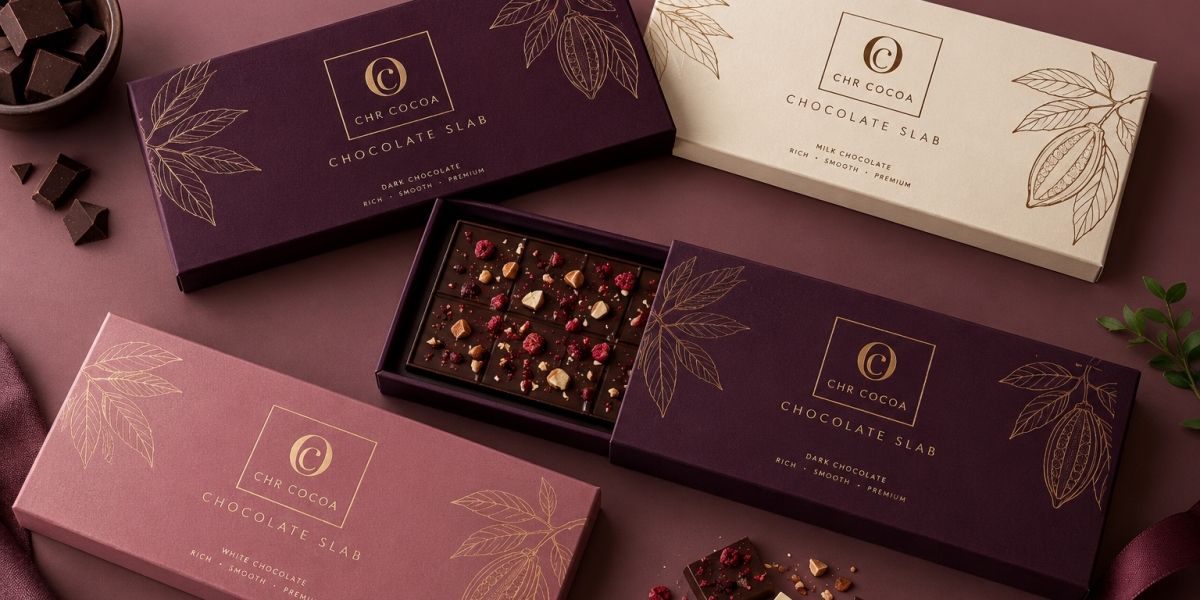

Crafting a Box That Chocolate Lovers Notice
Walk down any confectionery aisle, and you will see dozens of bars competing for the same few seconds of attention. The recipe matters, of course, but the wrapper and carton decide who gets picked up first. That is why makers of every size are investing in custom chocolate packaging boxes as a real part of their brand rather than an afterthought.
Here is a practical look at what works and how to plan it.
Why Shoppers Judge With Their Eyes First
Packaging influences more decisions than most brands expect. Ipsos research, as summarized by Packative, found that 72% of consumers say packaging design affects what they buy.
Think about what that means for a product people often buy as a gift. The buyer cannot taste the chocolate in the store, so the box has to promise quality on its own. A clean, confident design tells them the contents will live up to it. Strong custom chocolate packaging boxes help new brands borrow that confidence from the first glance, even before anyone has heard their name.
The Building Blocks of a Strong Design
Good packaging is rarely about doing more. It is about making a few clear choices and sticking with them.
Color and Typography
Deep browns, golds, and burgundies feel indulgent, while bright colors suggest fun and modern flavors. Pick a palette that fits your recipes, then use it everywhere. Keep type legible and let the brand name lead, with flavor and cocoa percentage close behind.
Material and Finish
Rigid board feels premium and handles shipping well. Folding cartons are lighter and cheaper. Uncoated or kraft stock suits artisan and small-batch brands. Add finishes sparingly, since a single foil detail on a matte surface often looks richer than several effects competing for attention. Well-chosen custom chocolate packaging boxes use texture to hint at flavor and craft.
A Moment of Reveal
Think about how the box opens. A sleeve that slides off, a ribbon pull, or a printed message inside the lid turns unwrapping into a small event. Those moments are the ones customers photograph and share.
Protecting Bars and Slabs
Chocolate is fragile and sensitive to heat, so the carton has to do real work. Thin slabs can snap if they flex in transit, and surfaces can scuff if they rub together. Chocolate Slab Packaging Boxes should be sized closely to the product, with enough rigidity to resist bending and a liner or inner wrap that protects the surface.
Fit is everything here. Too much empty space lets a slab slide, while a tight squeeze can chip the edges. Many makers choose Chocolate Slab Packaging Boxes with a simple divider or cardboard tray that holds each bar flat and still. Always test a sample by shaking it, stacking it, and dropping it from a realistic height before approving production.
Food safety matters too. Ask your supplier which materials are approved for food contact in your region, and keep printed inks away from any surface that touches the chocolate.
Eco-Smart Choices That Still Feel Special
Customers increasingly notice excess packaging, and chocolate often arrives wrapped in several layers. Recycled paperboard, water-based coatings, and soy inks are easy upgrades that still look refined. Right-sizing the carton saves material and shipping costs.
Be honest with your claims. If a box is recyclable only where facilities exist, say so plainly. A short note on the inside flap explaining your materials earns more trust than a vague green badge. Sustainable custom chocolate packaging boxes can feel every bit as rewarding as conventional ones when the structure and finish are handled with care.
Planning Your First Print Run
Mistakes get expensive fast, so slow down at this stage:
- Write a one-line brief describing how you want customers to feel.
- Set a budget covering design, samples, printing, and shipping.
- Order a physical sample and test it with real chocolate inside.
- Confirm minimum quantities and lead times in writing.
- Check colors under both daylight and indoor lighting.
Brands that follow a routine like this rarely end up with a pallet of misprinted cartons. Over time, custom chocolate packaging boxes become one of the steadiest drivers of recognition and repeat orders.
Frequently Asked Questions
Can a small chocolate maker order low quantities?
Often, yes. Digital printing has made short runs more affordable, so a small business can start with custom chocolate packaging boxes without committing to thousands of units.
How do I keep chocolate from melting in transit?
Use insulated mailers and cold packs, and avoid shipping over weekends or during heat waves. Testing a sample in realistic conditions is the best way to be sure.
What should I focus on for flat bars?
Fit and rigidity. A snug carton that keeps the bar flat prevents snapping, which is why many brands design their Chocolate Slab Packaging Boxes around the exact size of the slab.
Final Thought
A box cannot make an average chocolate taste better, but it can help a great one get noticed, trusted, and remembered. Design with care, test like a customer, and let every package make a delicious first impression.









