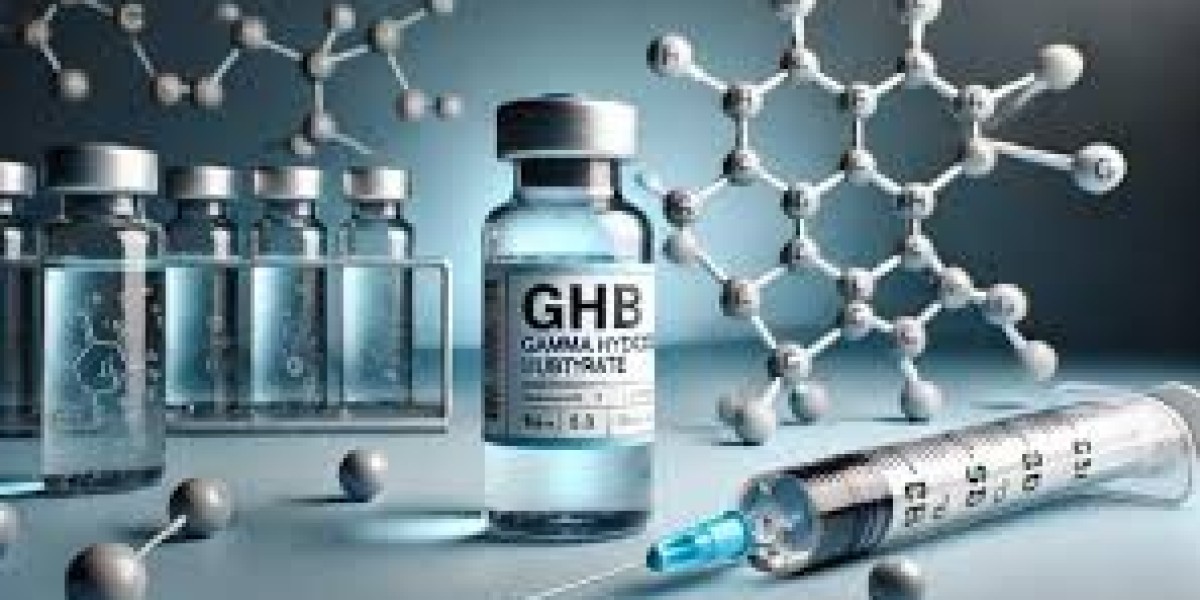

Packaging plays a critical role in the pharmaceutical industry because medicines must remain safe, stable, and effective throughout manufacturing, transportation, storage, and use. Unlike ordinary consumer packaging, pharmaceutical containers must meet demanding quality requirements and remain compatible with the formulations they contain. Glass continues to be an important material for pharmaceutical packaging because of its barrier properties, chemical durability, and suitability for various drug applications.
The Pharmaceutical Glass Packaging Market serves pharmaceutical companies, biotechnology businesses, contract manufacturers, and healthcare suppliers that require reliable containers for medicines. Vials, ampoules, bottles, cartridges, and glass syringe components are among the products used across different pharmaceutical applications.
Why Glass Matters in Pharmaceutical Packaging
Glass is valued for its ability to protect medicines from many external environmental influences. Depending on the container design, it can provide an effective barrier against moisture and gases while helping preserve product quality during storage.
Glass containers are also available in different compositions suited to particular pharmaceutical applications. Type I borosilicate glass offers high chemical resistance and is commonly considered for demanding injectable products. Type II treated soda-lime glass and Type III soda-lime glass may be appropriate for other applications, depending on formulation compatibility and applicable requirements.
Selecting the correct glass is essential because not every medicine interacts with packaging materials in the same way. Pharmaceutical companies must evaluate chemical compatibility, container integrity, storage conditions, and intended use before approving a packaging system.
Factors Supporting Market Development
Demand for pharmaceutical glass packaging is influenced by medicine production, injectable therapies, vaccine manufacturing, and the development of biologic drugs. These products often require packaging systems that maintain strict quality standards throughout their lifecycle.
Growing access to healthcare also supports demand for pharmaceutical products. As manufacturers supply medicines to hospitals, pharmacies, clinics, and international markets, they need packaging that can protect products while supporting efficient filling and distribution operations.
Regulatory expectations are another important influence. Pharmaceutical companies must demonstrate that packaging is suitable for its intended application and does not adversely affect the medicine. This encourages investment in material testing, quality control, and reliable manufacturing processes.
According to a recent report by Wise Guys Report, developments in pharmaceutical packaging are an important area to monitor as medicine production and drug-delivery requirements continue to evolve.
Technology and Product Innovation
Manufacturers are investing in improved glass-forming processes, dimensional consistency, surface quality, and automated inspection. These capabilities can help reduce defects and support consistent container performance.
Ready-to-use packaging is another area of interest. Sterile containers supplied in formats designed for integration into pharmaceutical filling operations may help manufacturers simplify preparation and reduce certain handling steps. Their suitability depends on the production line, product requirements, and validated manufacturing procedures.
Innovations in glass surface treatments and container design can also address specific performance needs. Such changes require careful evaluation to ensure that the packaging remains suitable for the medicine and its intended storage conditions.
Challenges for Manufacturers
Producing pharmaceutical glass containers requires specialized manufacturing capabilities and strict quality controls. Defects, dimensional variations, particulate contamination, or incompatibility with a drug formulation can create significant quality concerns.
Energy consumption and raw-material costs can also affect production economics. Glass manufacturing involves high-temperature processes, making furnace efficiency and operational reliability important considerations.
Manufacturers must balance productivity with quality assurance. Increasing output is valuable only when containers consistently meet the requirements of pharmaceutical customers.
Future Outlook
The pharmaceutical glass packaging industry is likely to continue evolving alongside drug development, healthcare demand, and manufacturing technology. Opportunities may arise from biologics, vaccines, injectable medicines, and advanced drug-delivery systems.
Companies that combine dependable product quality, technical expertise, efficient production, and responsive customer service can strengthen their position in this specialized industry.
Ultimately, pharmaceutical glass packaging is more than a container. It is part of the overall system used to preserve medicine quality, support patient safety, and deliver pharmaceutical products reliably.
Browse For more: