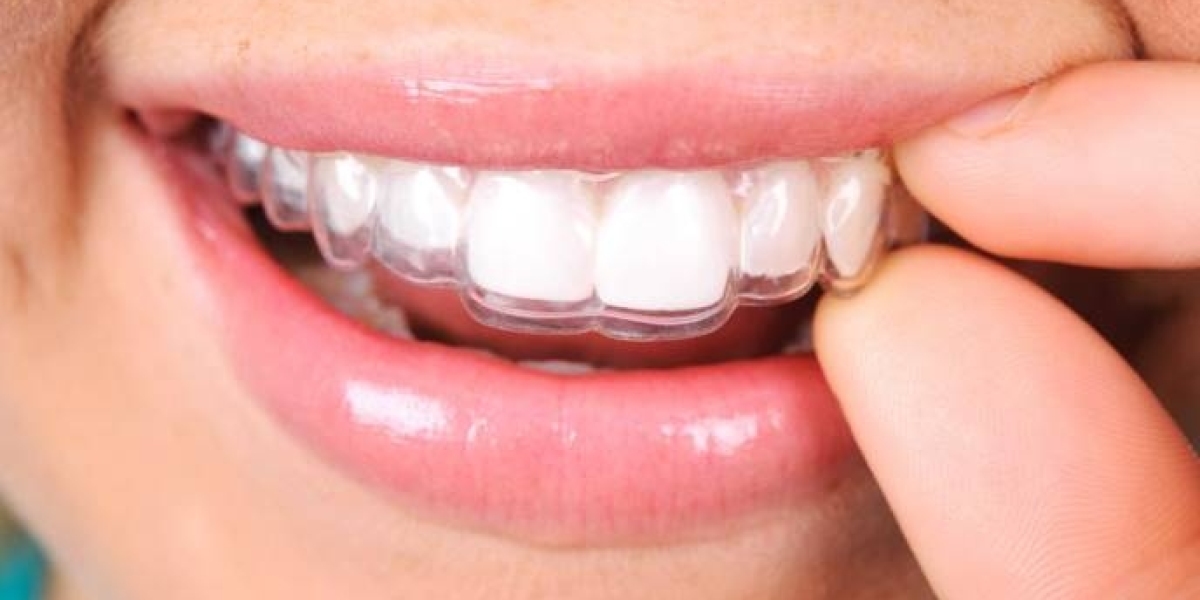

A well-aligned smile can contribute to comfortable chewing, balanced tooth contact, and confidence in everyday interactions. However, teeth can become crowded, spaced, rotated, or unevenly positioned for several reasons. Invisalign offers an alternative to traditional braces by using a series of clear, removable aligners designed to move teeth gradually according to an individual treatment plan.
Although clear aligners are suitable for many orthodontic concerns, they are not the right option for every patient or every type of tooth movement. Suitability depends on the nature of the alignment problem, the position of the teeth, the relationship between the upper and lower jaws, and the condition of the gums and supporting bone.
For people considering Invisalign Dubai treatment, understanding how suitability is assessed can help set realistic expectations before beginning orthodontic care. A detailed assessment allows the dentist or orthodontist to determine whether clear aligners can address the patient's concerns and whether additional orthodontic methods may be more appropriate.
Why Is an Invisalign Suitability Assessment Important?
Invisalign treatment is planned around the movement required to bring the teeth into a more suitable position. Before recommending aligners, the dental professional needs to understand what is causing the misalignment and how much movement may be necessary.
Two patients may have similar-looking crooked teeth but require very different treatment approaches. One person may have mild crowding involving a few front teeth, while another may have crowding linked to a more complex bite problem. The visible appearance alone does not provide enough information to determine the best approach.
An assessment examines the teeth individually and considers how they work together. It also identifies whether the proposed movements are realistic within the patient's existing dental and jaw anatomy.
This process helps establish an appropriate treatment plan, estimate the likely duration of treatment, and explain what the patient will need to do to achieve the intended outcome.
How Are Different Types of Tooth Crowding Assessed?
Crowding occurs when there is insufficient space in the dental arch for the teeth to align comfortably. It can cause teeth to overlap, rotate, or sit outside the usual dental arch.
Mild Tooth Crowding
Mild crowding may involve slight overlapping or rotation of a small number of teeth, particularly near the front of the mouth. In these cases, Invisalign may be suitable if the required movements can be achieved with controlled aligner treatment.
The dentist evaluates the available space, the direction of tooth rotation, and the relationship between the affected teeth and their neighbours. Minor adjustments to the available space may sometimes be incorporated into the treatment plan.
The assessment also considers whether the teeth can move into the planned positions without compromising the supporting tissues or the overall bite.
Moderate Tooth Crowding
Moderate crowding usually requires a more detailed evaluation because several teeth may need to move in different directions. The dental professional considers the amount of space required, the position of the roots, and the shape of the dental arch.
Depending on the case, treatment planning may involve interproximal reduction, which carefully creates small amounts of space between selected teeth, or other appropriate space-management methods. Such procedures are considered only when clinically indicated.
The suitability of Invisalign depends on whether the necessary movements can be planned predictably and whether the patient can follow the aligner-wearing schedule.
Severe Tooth Crowding
Severe crowding can be more challenging because teeth may overlap significantly or sit outside the normal arch. The dentist must assess the available space, root positions, gum health, and the relationship between the jaws.
Some cases may be treated with clear aligners, while others may benefit from fixed braces or a combined orthodontic approach. The decision depends on the specific movements required rather than the appearance of the teeth alone.
Is Invisalign Suitable for Gaps Between Teeth?
Gaps between teeth, also known as spacing, can occur because of differences between tooth size and jaw size, missing teeth, natural dental development, or habits that affect tooth position.
Invisalign may help close many types of gaps by moving teeth gradually towards one another. However, the dentist first needs to understand why the spaces are present.
Small gaps between otherwise well-positioned teeth may be relatively straightforward to address. Larger spaces or gaps distributed throughout the dental arch may require more comprehensive planning.
The assessment considers the size and location of each gap, the shape of the teeth, and how the upper and lower teeth meet. If a gap is associated with gum disease or changes in tooth support, that underlying condition needs appropriate attention before orthodontic movement is considered.
In some situations, orthodontic treatment may be combined with restorative dentistry to achieve a balanced result. The aim is not simply to close every space but to establish appropriate tooth proportions and a comfortable bite.
How Are Rotated or Unevenly Positioned Teeth Evaluated?
Rotated teeth are turned away from their usual alignment, while unevenly positioned teeth may sit too far forward, backward, inward, or outward within the dental arch.
Invisalign can correct many rotations and positional irregularities, but the degree of movement required influences treatment suitability. Certain teeth, particularly those with more complex root or crown positions, may require additional planning and attachments.
Attachments are small, tooth-coloured shapes bonded to selected teeth to help aligners apply controlled forces. Their placement depends on the intended movement and the design of the treatment plan.
During the assessment, the dental professional evaluates the direction and extent of each rotation, the available space, and the tooth's relationship with neighbouring teeth. They also consider whether the planned movement can be achieved while maintaining appropriate contact between the teeth.
The expected result depends on the complexity of the case and the patient's response to treatment. Some patients may require additional aligners to refine the final positions.
How Does the Bite Affect Invisalign Suitability?
Tooth alignment is closely connected to the way the upper and lower teeth meet. A patient may have relatively straight front teeth but still experience a bite problem that requires orthodontic attention.
Overbite and Deep Bite
An overbite describes the vertical overlap of the upper front teeth over the lower front teeth. When this overlap is excessive, it may be described as a deep bite.
Invisalign may be appropriate for selected deep-bite cases, depending on the severity and the movements needed. The dentist evaluates the amount of overlap, the position of the front teeth, and the relationship between the back teeth.
The treatment plan must consider both tooth alignment and the intended correction of the bite.
Underbite
An underbite occurs when the lower front teeth sit in front of the upper front teeth when the jaws close. The cause may involve tooth positioning, jaw relationships, or a combination of both.
Mild dental underbites may sometimes be managed with clear aligners. More pronounced discrepancies involving the jaw bones may require specialist orthodontic assessment and, in some cases, a combined treatment approach.
The assessment helps distinguish between a problem that primarily involves the teeth and one that has a significant skeletal component.
Crossbite
A crossbite occurs when one or more upper teeth sit inside the corresponding lower teeth rather than outside them in the usual relationship.
Some crossbites can be addressed with Invisalign, but suitability depends on which teeth are affected, the amount of correction required, and whether the underlying jaw structure contributes to the problem.
Open Bite
An open bite occurs when certain upper and lower teeth do not meet when the mouth closes. The assessment considers the location of the open bite, its severity, and possible contributing factors, including tongue posture or habits.
Clear aligners may help manage selected open-bite cases. More complex cases require a careful evaluation of the underlying cause and the most appropriate method of correction.
What Other Factors Are Considered Before Starting Invisalign?
Tooth alignment is only one part of the assessment. The dentist also evaluates oral health, existing dental work, and the patient's ability to follow the treatment plan.
Gum Health and Supporting Bone
Healthy gums and adequate supporting bone are important for orthodontic treatment because aligners move teeth through the surrounding bone. If active gum disease is present, it generally needs to be managed before tooth movement begins.
The dentist may assess gum inflammation, recession, tooth mobility, and other signs that could affect treatment planning. Patients with a history of gum problems may need closer monitoring during orthodontic care.
Existing Fillings, Crowns, and Missing Teeth
Existing dental restorations do not automatically prevent Invisalign treatment. However, crowns, large fillings, bridges, and missing teeth can influence how aligners fit and how forces are applied.
The dentist reviews the condition of existing restorations and determines whether the proposed movements are practical. Where teeth are missing, the treatment plan may need to account for the spaces and the intended final bite.
Previous Orthodontic Treatment
Adults who previously wore braces or aligners may experience shifting if they stop wearing their retainers. Invisalign can be considered for selected cases of orthodontic relapse.
The assessment identifies which teeth have moved, whether the bite has changed, and how much correction is needed. A limited adjustment may require a different treatment plan from a case involving widespread movement.
How Do Digital Scans and X-Rays Help Assess Suitability?
Digital scans and dental imaging provide information that cannot always be obtained from a visual examination alone.
An intraoral scan or dental impression records the shape and position of the teeth. The resulting model helps the dentist evaluate crowding, spacing, dental arch shape, and the movements required to reach the planned alignment.
X-rays may be recommended to examine tooth roots, impacted teeth, supporting bone, and other structures beneath the gums. Photographs and bite records may also help document the starting position and support treatment planning.
Digital treatment simulations can illustrate the proposed stages of tooth movement and the anticipated final alignment. However, a simulation represents a treatment plan rather than a guarantee of the exact outcome. The dentist must consider biological factors and monitor the actual movement of the teeth throughout treatment. <Cite refs={["turn428023search0","turn428023search1"]}/>
Why Is Patient Commitment Important for Invisalign?
Invisalign aligners are removable, which can make eating and oral hygiene more convenient. However, this flexibility also means that the patient is responsible for wearing them consistently.
Patients are generally instructed to wear their aligners for approximately 20–22 hours each day, or according to their clinician's specific instructions. They remove them for meals, drinks other than water, and oral hygiene.
If aligners are not worn for the prescribed duration, the teeth may not move according to the planned schedule. This can affect how the next aligner fits and may lead to treatment delays or the need for refinements.
The dentist discusses the patient's daily routine, ability to follow instructions, and willingness to attend follow-up appointments. These practical considerations help determine whether removable aligners are a suitable choice compared with fixed braces.
How Long Does Invisalign Treatment Take?
Treatment duration depends on the complexity of the alignment concern, the number of teeth involved, and the amount of movement required.
Some relatively straightforward cases may take several months, while more comprehensive treatment can take a year or longer. The dentist provides an estimated timeline after assessing the teeth and preparing a treatment plan.
Regular reviews allow the dental professional to check whether the aligners fit properly and whether the teeth are progressing as expected. Additional aligners may be needed to refine certain movements before treatment is completed.
Once the planned alignment has been achieved, retainers are generally recommended to help maintain the result. The dentist explains the appropriate retention schedule because teeth can gradually shift after orthodontic treatment.
Understanding Invisalign Cost in Dubai
The overall cost of Invisalign treatment depends on the complexity of the case, the estimated treatment duration, the number of aligners required, and the level of follow-up care involved.
A relatively minor alignment correction may require a different treatment plan from one involving several bite concerns or extensive tooth movement. The cost may also vary according to the clinic, the clinician's expertise, and the services included in the treatment package.
When asking about Invisalign Cost in Dubai, patients should clarify whether the quoted price includes the initial consultation, diagnostic records, digital treatment planning, aligners, follow-up appointments, refinements, and retainers.
A professional assessment provides the most useful basis for understanding the expected cost. It also allows the dentist to explain whether Invisalign is appropriate or whether another orthodontic option may better address the patient's needs.
Conclusion
Assessing Invisalign suitability requires a comprehensive understanding of the patient's teeth, bite, oral health, and treatment goals. Mild crowding, gaps, rotated teeth, and selected bite concerns may be addressed with clear aligners, while more complex cases may require additional orthodontic techniques or an alternative approach.
Digital scans, dental imaging, bite analysis, and an examination of the gums and supporting structures help the dentist establish a personalised plan. Patient commitment and regular professional monitoring also play important roles in achieving the intended alignment.
For those considering Invisalign Dubai treatment, a consultation is the best starting point. By identifying the specific alignment concerns and reviewing the available options, a dental professional can recommend an approach designed to improve tooth position while supporting a comfortable, functional bite.
Frequently Asked Questions
1. Who is a suitable candidate for Invisalign?
Invisalign may be suitable for people with mild to moderate crowding, gaps, rotated teeth, and certain bite problems. A dentist or orthodontist must assess the teeth, jaw relationship, and oral health before recommending treatment.
2. Can Invisalign correct severely crowded teeth?
Some cases of severe crowding can be treated with Invisalign, but suitability depends on the amount of space required and the complexity of the tooth movements. Other cases may be better managed with fixed braces or a combined orthodontic approach.
3. Can Invisalign close gaps between teeth?
Yes, Invisalign can close many spaces between teeth by moving them gradually. The dentist first assesses the size and cause of the gaps and checks that the planned movement will produce an appropriate bite and tooth position.
4. Can Invisalign treat an overbite or underbite?
Invisalign can address selected overbites and underbites. However, the treatment approach depends on whether the problem primarily involves tooth position or a more significant difference in jaw structure.
5. Are dental X-rays necessary before Invisalign?
X-rays may be recommended to assess the roots, supporting bone, impacted teeth, and other underlying structures. The dentist determines which diagnostic records are appropriate for the individual patient.
6. How many hours a day should Invisalign be worn?
Patients are commonly advised to wear their aligners for around 20–22 hours per day, following their dentist's instructions. Consistent wear helps the teeth progress according to the planned treatment schedule.
7. How long does Invisalign treatment take?
The duration varies according to the alignment problem and the amount of movement required. Some cases take several months, while more complex treatment may take a year or longer.
8. Is Invisalign suitable for adults?
Yes, adults can be suitable candidates for Invisalign if their teeth and supporting tissues are healthy enough for orthodontic treatment. Age alone does not determine suitability; the clinical assessment is more important.
9. What affects Invisalign Cost in Dubai?
The cost can depend on case complexity, treatment duration, the number of aligners, follow-up care, and whether refinements or retainers are included. An individual assessment helps establish a more accurate estimate.
10. Will I need retainers after Invisalign treatment?
Retainers are generally recommended after Invisalign to help keep the teeth in their corrected positions. The dentist advises on the type of retainer and how frequently it should be worn.
11. Can I choose Invisalign without an in-person dental assessment?
A proper clinical assessment is important before starting treatment. A dentist or orthodontist needs to evaluate the teeth, bite, and supporting structures and monitor progress to help ensure that tooth movement follows an appropriate plan.









