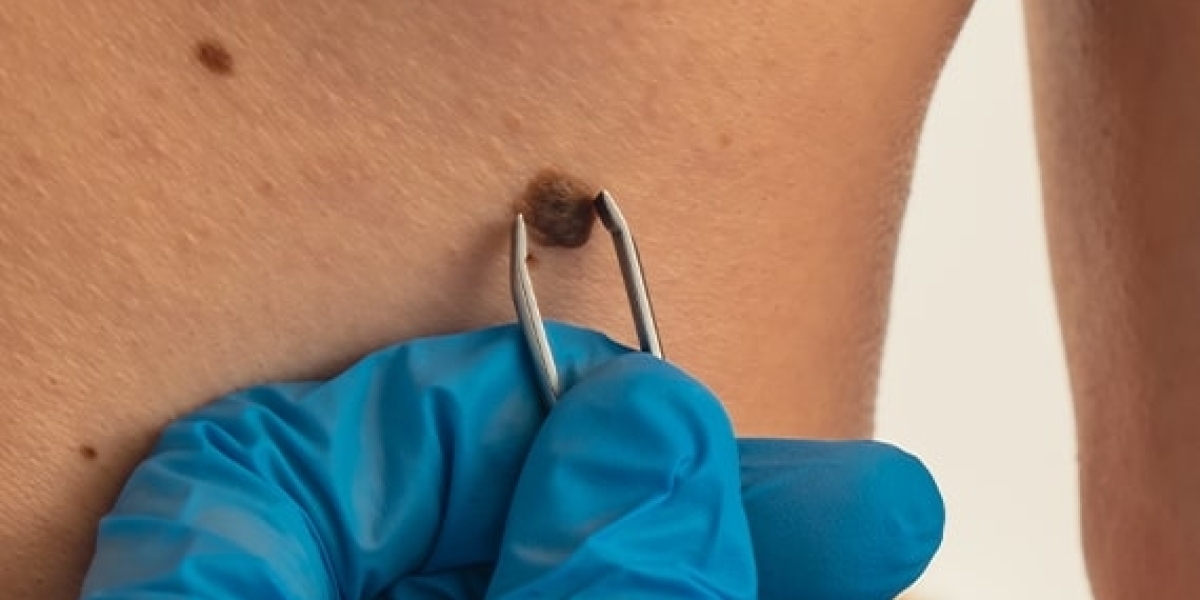

Skin tags are small, soft growths that commonly develop on areas where the skin folds or experiences repeated friction. They may appear on the neck, underarms, eyelids, groin, or other parts of the body. Although skin tags are generally harmless, some people choose to have them removed because they catch on clothing, become irritated, affect their appearance, or cause discomfort during everyday activities.
Choosing an appropriate removal method involves more than simply deciding to remove a growth. Its size, location, appearance, and characteristics can all influence which approach may be suitable. A professional assessment also helps establish whether the growth is actually a skin tag or another type of skin lesion that requires a different form of care.
For individuals considering Skin Tag Removal in London, understanding the factors that influence treatment selection can make the consultation process more informative. A personalised approach allows a practitioner to consider the characteristics of the skin tag alongside the individual's preferences, skin condition, and desired outcome.
What Are Skin Tags and Why Might Someone Consider Removal?
Skin tags, medically known as acrochordons, are small, benign growths consisting of skin and supporting tissue. They are often soft, flesh-coloured, or slightly darker than the surrounding skin. Some remain very small, while others gradually become more noticeable over time.
They commonly develop in areas where skin rubs against skin or clothing. The neck, armpits, groin, and eyelids are frequent locations, although skin tags can occur elsewhere.
Many skin tags do not require treatment. However, an individual may consider removal when a growth repeatedly catches on jewellery, interferes with shaving, becomes irritated by clothing, or creates an unwanted change in appearance. Others may simply prefer to have a prominent skin tag assessed and removed for cosmetic reasons.
The reason for removal can help guide the consultation. For example, a skin tag near the eyelid may require a different approach from one located on the side of the neck. The practitioner must also establish that the growth has the characteristics of a typical skin tag before recommending a suitable procedure.
Which Factors Determine the Most Suitable Skin Tag Removal Method?
There is no single removal technique that is appropriate for every skin tag. The choice depends on several clinical and practical considerations.
The Size and Shape of the Skin Tag
The dimensions of a skin tag are among the first factors a practitioner considers. Some growths are tiny and sit close to the skin's surface, while others have a more noticeable body attached by a narrow stalk.
Smaller skin tags may be suitable for straightforward removal techniques, depending on their position and characteristics. Larger growths may require a different approach to allow the practitioner to manage the tissue carefully.
Shape is also relevant. A growth with a narrow attachment may be approached differently from one with a broader base. The practitioner will assess these features before deciding whether snip excision, electrosurgery, or another method is appropriate.
The objective is to select a technique that addresses the growth effectively while taking account of the surrounding skin and the desired cosmetic result.
The Location of the Skin Tag
Location can have a considerable influence on treatment planning. Skin tags commonly appear on the neck, underarms, eyelids, chest, and groin, but each area presents different considerations.
For instance, skin tags in the underarms may experience frequent friction from clothing and movement. Those around the neck may catch on necklaces or collars. Growths near the eyelids require particular care because of the delicate skin and proximity to the eyes.
The practitioner will consider the amount of space available, the sensitivity of the area, and whether the location makes the procedure more technically demanding.
Individuals seeking Skin Tag Treatment London may therefore benefit from an assessment that focuses on the exact location of each growth rather than assuming that the same method will suit every area.
Whether the Growth Is Definitely a Skin Tag
Correct identification is essential before any removal procedure is considered. Although typical skin tags are usually easy to recognise during a clinical examination, other skin conditions can sometimes resemble them.
Moles, warts, seborrhoeic keratoses, and certain other skin lesions may have a similar appearance. Some growths may also change in colour, size, shape, or texture over time.
A practitioner will examine the lesion and ask relevant questions about its history. If the appearance is unusual or the diagnosis is uncertain, further assessment may be necessary before removal is planned. Depending on the findings, the practitioner may recommend a specialist opinion or laboratory examination of the removed tissue.
This step helps ensure that the selected treatment is appropriate for the actual condition rather than relying solely on how the growth looks.
The Number of Skin Tags Requiring Removal
Some individuals have one prominent skin tag, while others have several growths in different areas. The number of lesions can influence how a consultation and treatment session are organised.
When several skin tags are present, the practitioner may assess each one individually. Although multiple growths may appear similar, they can differ in size, attachment, location, and suitability for a particular technique.
The practitioner will consider whether the lesions can be managed during one appointment or whether a staged approach would be more appropriate. The time required, the sensitivity of the treatment areas, and the individual's preferences may all influence the plan.
A personalised assessment is especially helpful when skin tags are widespread or when some growths have characteristics that need closer examination.
The Individual's Skin Type and Skin Condition
The condition of the surrounding skin is another important consideration. Skin that is inflamed, irritated, broken, or affected by an active skin condition may require assessment before treatment proceeds.
Skin tone and an individual's tendency to develop noticeable pigmentation or raised scars can also influence discussions about technique and aftercare. Different removal methods affect the skin in different ways, so the practitioner will consider the likely healing process and the importance of the cosmetic result.
Previous experiences with skin procedures may also be relevant. For example, an individual who has developed prominent scars following earlier treatments may wish to discuss this history during the consultation.
These factors do not automatically rule out a particular method, but they can help guide a more considered decision.
What Are the Main Methods Used for Skin Tag Removal?
Once the practitioner has assessed the growth, several removal methods may be considered. The appropriate option depends on the clinical findings and the equipment and expertise available.
Snip Excision
Snip excision involves removing the skin tag with an appropriate sterile cutting instrument. It is often considered for skin tags that have a clearly defined attachment.
The practitioner assesses the area and determines whether local anaesthetic is appropriate. The growth is then carefully removed using a technique suited to its size and position.
This method may be suitable for certain small or stalk-like skin tags. However, the practitioner must consider the location, attachment, and whether the lesion needs to be submitted for histological examination.
Electrosurgery
Electrosurgery uses controlled electrical energy to remove or destroy selected tissue. Depending on the technique, it may be used to treat appropriate skin tags and manage the treatment area.
The practitioner will consider the size of the growth, its position, and the individual's skin characteristics before recommending this option. Electrosurgery is not automatically preferable to excision, as the most suitable method depends on the specific lesion.
The consultation should also cover the expected healing process and the aftercare needed to support recovery.
Cryotherapy
Cryotherapy involves applying a very cold substance, commonly liquid nitrogen, to selected skin lesions. The freezing process damages the targeted tissue, which subsequently separates as the area heals.
Although cryotherapy is used for certain types of skin lesions, it is not necessarily the preferred approach for every skin tag. Suitability depends on the diagnosis, the location, the size of the growth, and the practitioner's clinical judgement.
An assessment is particularly important when the lesion is pigmented, unusual, or located in a delicate area.
Choosing Between Different Techniques
Each technique has different applications. Snip excision may be appropriate for some skin tags with a narrow stalk, while electrosurgery or cryotherapy may be considered in selected circumstances.
The aim is not to choose the most advanced-sounding method but to identify an appropriate option for the individual lesion. The practitioner should explain why a particular technique is being recommended and what the person can expect during the procedure and recovery period.
How Do Cosmetic Preferences Influence Treatment Planning?
For many people, the appearance of the treated area is an important consideration. This may be particularly relevant when a skin tag appears on the face, neck, or another visible part of the body.
A practitioner will consider the location and characteristics of the growth alongside the individual's expectations. The discussion may include the possibility of temporary redness, changes in pigmentation, or a small mark following healing.
No removal method can guarantee a completely mark-free result. The outcome depends on factors such as the original lesion, the technique used, the individual's skin response, and the healing process.
People with specific cosmetic concerns should explain these during their consultation. This gives the practitioner an opportunity to discuss realistic expectations and select an approach that takes the surrounding skin into account.
Why Is a Professional Consultation Important?
A professional consultation provides an opportunity to assess the skin tag, establish whether removal is appropriate, and discuss the available techniques.
During the appointment, the practitioner may ask when the growth first appeared, whether it has changed, and whether it causes irritation. They will examine its appearance, size, and attachment and consider its location and the condition of the surrounding skin.
If a lesion looks unusual, has changed noticeably, bleeds without an obvious cause, or cannot be confidently identified as a skin tag, the practitioner may recommend further investigation before proceeding.
The consultation is also an opportunity to discuss the expected procedure, recovery, aftercare, and potential cosmetic outcome. This information allows the individual to make an informed decision rather than selecting a removal method without understanding its suitability.
For anyone considering a Skin Tag Removal Clinic London, choosing a provider that offers appropriate assessment and explains treatment options clearly is an important part of the process.
What Should You Expect During Recovery?
Recovery depends on the removal method, the size and location of the skin tag, and the individual's healing response. Some procedures leave a small superficial area that gradually heals, while others may require a slightly longer period of care.
The practitioner should provide instructions on keeping the treated area clean, protecting it from unnecessary friction, and recognising expected healing changes. The person should follow the advice provided rather than picking at a scab or attempting to remove remaining tissue themselves.
It is also sensible to ask when normal activities, skincare products, shaving, or cosmetics can be resumed around the treated area. These recommendations may vary depending on the technique and location.
If the area develops increasing pain, spreading redness, discharge, or persistent bleeding, medical advice should be sought. Unexpected changes in the treated area should also be discussed with the treating practitioner.
Following individualised aftercare guidance can help support healing and make the recovery process easier to manage.
How Can You Prepare for a Skin Tag Removal Appointment?
Preparation begins with sharing accurate information about the growth and your general skin history. If you have noticed recent changes in size, colour, shape, or sensation, mention these during the consultation.
It may also help to explain whether the skin tag catches on clothing, becomes irritated during shaving, or affects your confidence. These details can help the practitioner understand your reasons for seeking treatment.
Before the appointment, ask whether any particular preparation is required. Avoid attempting to cut, tie off, burn, or freeze a skin tag at home, as this can cause injury, bleeding, infection, or scarring and may delay the diagnosis of a different skin condition.
You should also discuss any previous skin procedures and your expectations regarding the final appearance. A clear conversation helps ensure that the recommended treatment reflects both the clinical findings and your preferences.
Conclusion
The most suitable skin tag removal method depends on several factors, including the size and shape of the growth, its location, the number of lesions, the condition of the surrounding skin, and whether the diagnosis is certain. Snip excision, electrosurgery, and cryotherapy may be considered in different circumstances, but no single technique is ideal for every individual.
A professional assessment helps establish whether the growth is a typical skin tag and allows the practitioner to explain the available options, expected healing process, and likely cosmetic outcome. It also provides an opportunity to address individual concerns and establish realistic expectations.
For those considering Skin Tag Removal in London, a personalised consultation is a useful first step towards choosing an appropriate treatment. Understanding the reasons behind the recommendation can help individuals make informed decisions about their skin and approach the procedure with greater confidence.
Frequently Asked Questions
1. What is the most suitable method for skin tag removal?
The most suitable method depends on the skin tag's size, shape, attachment, location, and confirmed diagnosis. A practitioner may consider snip excision, electrosurgery, or another appropriate technique after examining the growth.
2. Can all skin tags be removed using the same technique?
No. Skin tags vary in size, position, and structure. A method suitable for a small growth on the neck may not be appropriate for a lesion near the eyelid or one with an uncertain diagnosis. Individual assessment helps guide treatment selection.
3. Is professional assessment necessary before skin tag removal?
Yes. A practitioner should confirm that the growth is consistent with a skin tag before recommending removal. If the lesion looks unusual or has changed in appearance, further assessment may be necessary.
4. Can skin tags be removed from the face and neck?
Skin tags may be removed from suitable areas of the face and neck following an appropriate assessment. The practitioner will consider the sensitivity of the location, the size of the growth, and the desired cosmetic outcome when choosing a technique.
5. How long does skin tag removal take?
The duration depends on the size and number of skin tags, the removal method, and the location of the growths. A single small skin tag may require only a brief procedure, while multiple lesions may take longer to assess and treat.
6. Will skin tag removal leave a mark?
A small mark, temporary redness, or a change in pigmentation may occur after removal. The final appearance depends on the technique, the characteristics of the lesion, and the individual's healing response. A practitioner can discuss these expectations during the consultation.
7. How should I care for my skin after removal?
Follow the aftercare instructions provided by your practitioner. These may include keeping the area clean, avoiding friction, and allowing the treated skin to heal without picking or scratching it. Seek medical advice if you notice unexpected or worsening symptoms.
8. Can I remove a skin tag at home?
Professional assessment is preferable to home removal. Cutting, tying off, burning, or using unverified removal products can cause bleeding, infection, scarring, or delayed diagnosis if the growth is not actually a skin tag.
9. When should a skin growth be assessed before removal?
Arrange an assessment if a growth changes in size, colour, or shape, bleeds without an obvious cause, becomes persistently painful, or looks different from your other skin tags. An uncertain or unusual lesion may need further investigation before removal.
10. How do I choose a skin tag removal clinic in London?
Look for a clinic that offers appropriate clinical assessment, explains the available removal methods, discusses realistic cosmetic expectations, and provides clear aftercare guidance. The practitioner should be willing to explain why a particular technique is suitable for your individual skin tag.








