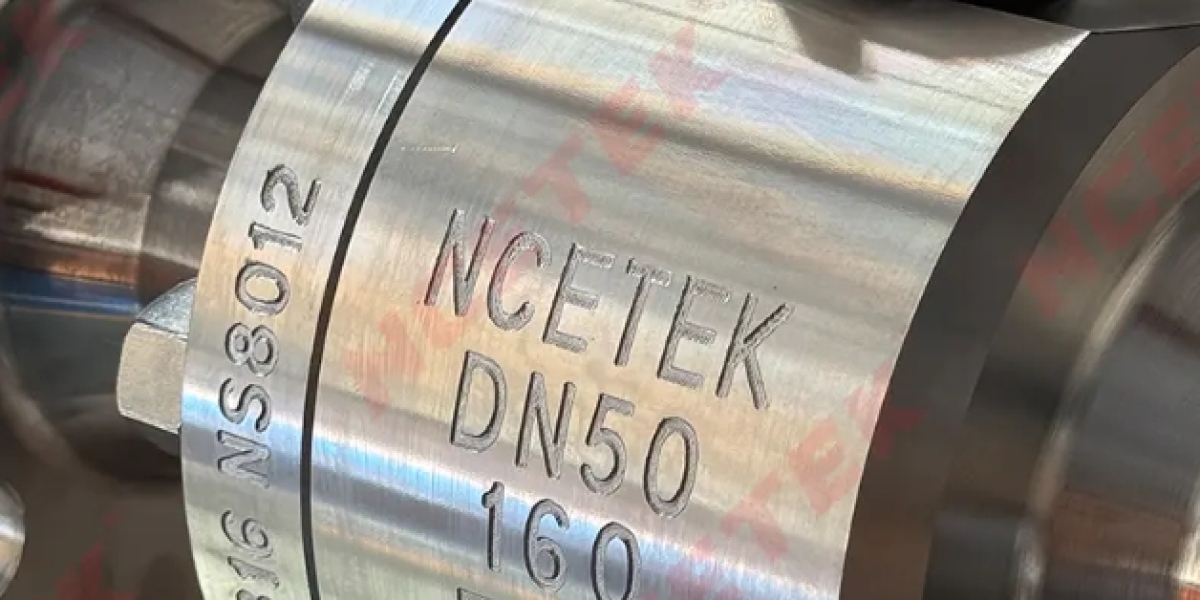

Large pipeline systems and demanding industrial installations often require valves designed to support reliable isolation under defined operating conditions. A Cast Steel Trunnion Mounted Ball Valve combines a cast steel body with a ball supported by trunnions, helping manage the mechanical loads associated with operation. Its suitability depends on the specified pressure, temperature, fluid characteristics, sealing requirements, and applicable engineering standards.
In a trunnion-mounted design, the ball is mechanically supported rather than relying primarily on movement between the seats. This arrangement helps control ball movement and can reduce the load transferred to the seats under certain pressure conditions. Lower seat loading can also influence operating torque, although the actual torque depends on valve size, pressure differential, seat design, materials, and other factors.
Cast steel is used for valve bodies in a range of industrial applications. The specific steel grade should be selected according to pressure containment requirements, temperature, corrosion exposure, and compatibility with the transported medium. Carbon steel may be suitable for many general industrial services, while other grades or additional material controls may be necessary for specialized applications. The material choice should be verified against the governing design specification.
A key feature of the Cast Steel Trunnion Mounted Ball Valve is the relationship between the ball, seats, stem, and supporting structure. These components work together to maintain the intended flow path and shut-off function. Seat design can vary according to pressure, temperature, medium, and leakage requirements. Soft-seated arrangements may suit certain services, while metal-seated configurations can be considered for more demanding operating environments. Neither option should be selected without checking the application conditions.
Pressure class and temperature limits must be reviewed together. A valve's allowable pressure may vary with temperature and material, and the limits of its seats and seals may differ from those of the body. Buyers should use the manufacturer's approved technical data and relevant design standards to confirm suitability. General descriptions of a valve family are not a substitute for model-specific ratings and engineering review.
End connections are another important design consideration. Flanged ends may be used where installation and maintenance access are priorities, while butt-weld ends may be selected for compatible pipeline designs. The appropriate option depends on piping standards, installation practices, maintenance plans, and project requirements. Buyers should verify dimensions, facing specifications, and end preparation before approving drawings.
Actuation should be selected according to the valve's operating needs. Manual gearboxes can support local operation where direct handle operation would be impractical. Pneumatic or electric actuators can provide remote control and integrate with process automation systems. The actuator must be sized for the expected operating torque and differential pressure, and the project specification should define any position indication, control interfaces, or fail-safe requirements.
Manufacturing and inspection are central to valve reliability. The production process may involve casting, heat treatment where applicable, machining, assembly, dimensional inspection, and pressure testing. Testing procedures and acceptance criteria should be consistent with the specified standards and purchase requirements. Depending on the project, buyers may request material certificates, traceability records, inspection plans, pressure-test documentation, or third-party verification.
Industrial applications vary significantly. Oil and gas pipelines may require carefully specified materials and pressure containment, while petrochemical plants can impose additional chemical compatibility and emissions requirements. Power generation and other process industries may have their own operating standards and maintenance procedures. Engineers should assess the complete service environment, including start-up and shutdown cycles, potential pressure surges, and the consequences of leakage or unintended flow.
Installation quality can influence service life as much as product design. Piping alignment, support, correct orientation, and adherence to the approved installation procedure help avoid unnecessary stress on the valve body and connections. During operation, the valve should be used within its specified conditions. Routine inspection and maintenance should follow the manufacturer's instructions and the site's safety procedures.
For buyers managing OEM, EPC, or replacement projects, detailed technical communication helps ensure that the delivered valve matches the installation. The inquiry should identify the medium, nominal size, pressure class, temperature range, connection type, operation method, required standards, and inspection documentation. Any special requirements for coating, marking, packaging, or accessories should also be agreed upon before production.
A suitable trunnion-mounted valve is selected through a combination of structural design, sealing requirements, material compatibility, and verified operating limits. Buyers can review the available industrial valve range at https://www.ncevalve.com/product/ and provide their project specifications for evaluation of an appropriate cast steel trunnion-mounted configuration.










