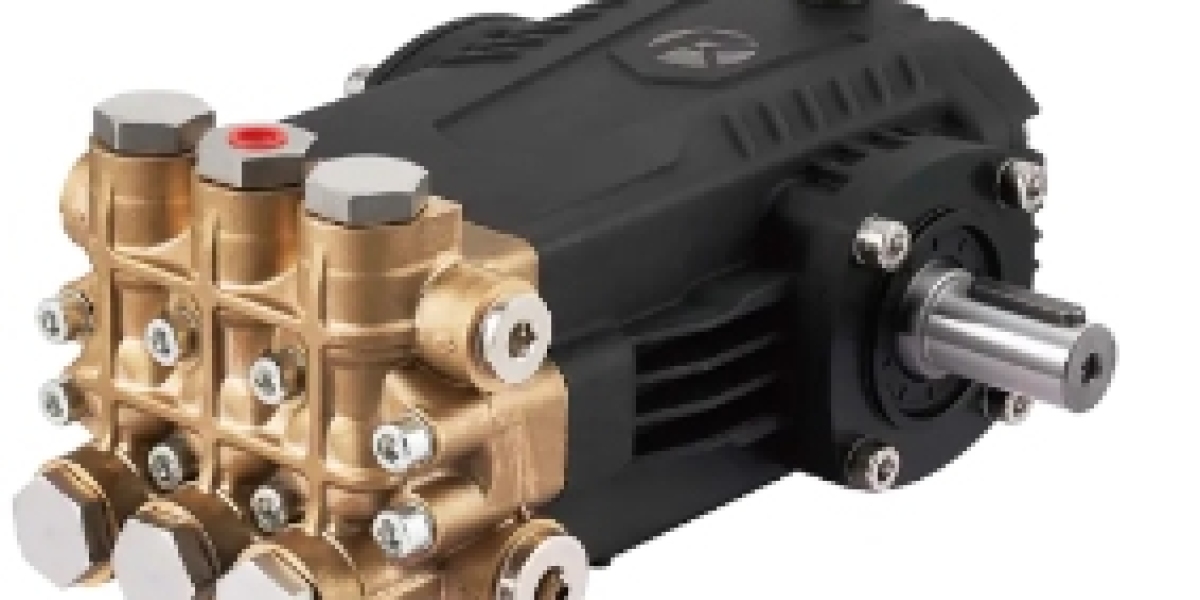

A Stainless Steel Pump is designed for fluid-handling applications where material durability and corrosion resistance are important considerations. Depending on its design and material grade, it may be suitable for water transfer, industrial cleaning, manufacturing processes, and other compatible applications. For B2B buyers, selecting the right configuration involves evaluating the fluid, operating pressure, flow requirements, temperature, and installation environment. Understanding these factors helps businesses choose equipment that meets operational needs while supporting dependable service and manageable maintenance requirements.
Stainless steel is used in industrial equipment because different grades provide useful combinations of mechanical strength and resistance to corrosion. However, performance varies with alloy composition and operating conditions. Exposure to certain chemicals, elevated temperatures, chlorides, or unsuitable cleaning agents can affect corrosion resistance. Buyers should confirm the specific stainless steel grade used in the pump's wetted components rather than relying only on a general material description. For demanding applications, compatibility should be checked against the actual fluid composition and expected working conditions.
Pump design is another important factor. Different mechanisms can provide different pressure, flow, and maintenance characteristics. Some systems are intended to move large fluid volumes at moderate pressure, while others are designed for controlled delivery at higher pressure. The correct choice depends on the intended application, operating schedule, and connected equipment. Buyers should define the required working range before selecting a model and request technical documentation that explains the pump's rated performance and operating limitations.
Pressure and flow rate should be considered together. Pressure determines the resistance the pump can overcome, while flow rate indicates the volume of fluid delivered over time. The required combination varies between water transfer, cleaning, and specialized process applications. A pump selected solely for its maximum pressure may not deliver the necessary flow, while an excessive flow capacity may increase energy consumption without improving results. Evaluating the complete operating range helps buyers select equipment that is appropriate for the application.
Material compatibility extends beyond the external housing. The pump head, valves, shafts, seals, fasteners, and other wetted components may encounter different mechanical and chemical conditions. A stainless steel body does not automatically mean that every internal component is suitable for all fluids. Seal materials, in particular, must be selected according to temperature, pressure, and chemical exposure. Buyers should provide detailed information about the medium being handled so the supplier can confirm whether the proposed combination of materials is appropriate.
Installation conditions can influence reliability and service life. The inlet supply must meet the manufacturer's requirements, while discharge piping and fittings must be suitable for the intended pressure and flow. Restrictions, unsuitable connections, or unstable supply conditions may affect performance. Depending on the application, the system may also require filtration, pressure monitoring, control valves, or other protective devices. Adequate access for inspection and maintenance should be included in the installation plan, especially in facilities where equipment operates frequently.
Routine maintenance remains important even when corrosion-resistant materials are used. Operators should inspect connections, monitor pressure and flow, and investigate signs of leakage, unusual noise, or vibration. Deposits, contamination, and incompatible cleaning chemicals may still affect internal components. Following the manufacturer's recommendations for inspection, cleaning, servicing, and replacement parts helps preserve reliable operation. Keeping service records can help identify recurring issues and support more effective maintenance planning.
For B2B procurement teams, technical documentation should clearly identify the pump model, material grade, rated pressure, flow capacity, drive requirements, connection dimensions, and available accessories. Buyers should confirm whether the stated material applies to all wetted components or only selected parts. Spare parts availability, technical support, warranty conditions, and delivery arrangements should also be reviewed. These details help determine whether the proposed equipment is suitable for the intended environment and practical to maintain throughout its service life.
When evaluating a Stainless Steel Pump, businesses should prioritize verified material specifications, fluid compatibility, operating performance, and maintenance requirements. Stainless steel can offer significant advantages in suitable environments, but the correct grade and pump design must match the actual application. Confirming these details before ordering helps reduce compatibility risks and supports better purchasing decisions. To review FEIKE's available pump products and configurations, visit https://www.triplex-plungerpump.com/product/pumps/.









