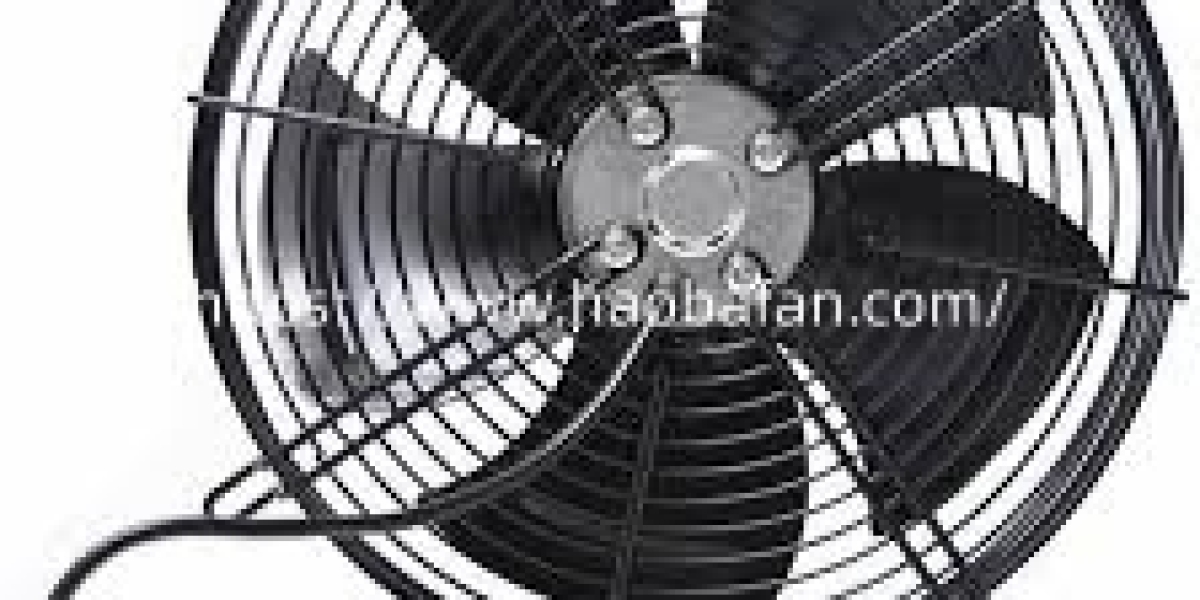

Noise can become a significant concern in factories, commercial buildings, laboratories, workshops, and equipment rooms where ventilation operates for long periods. Excessive fan sound may affect workplace comfort, interfere with communication, and create an undesirable acoustic environment. A Low Noise Centrifugal Fan is designed with attention to airflow behavior, rotating components, and mechanical stability to help limit avoidable noise while delivering air through a suitable ventilation system.
Centrifugal fans draw air into an impeller and move it outward through centrifugal action. The housing then guides the air toward the outlet, making this design useful in systems that include ductwork, filters, or other sources of airflow resistance. Noise performance depends on how the impeller, motor, housing, and connected ventilation system interact. Choosing the right configuration requires consideration of both airflow requirements and the acoustic conditions of the installation.
Impeller geometry is one of the main factors influencing aerodynamic noise. Blade shape, curvature, spacing, and rotational behavior affect how smoothly air enters and leaves the rotating assembly. Poorly matched blade geometry or restricted intake conditions can create turbulence that increases sound. A well-designed impeller helps maintain an appropriate airflow pattern, while accurate manufacturing supports consistent blade dimensions and predictable operating behavior.
Mechanical balance is equally important. When an impeller has uneven mass distribution, rotation can generate vibration that transfers through the shaft, bearings, housing, and mounting structure. This vibration may produce additional noise and accelerate component wear. Appropriate balancing procedures, accurate assembly, and consistent inspection can help reduce mechanical disturbance. Stable rotation also supports dependable operation over time, particularly in applications where the fan runs for extended periods.
Motor quality and installation conditions influence acoustic performance as well. Electrical or mechanical issues may contribute to unwanted sound, while inadequate mounting can allow vibration to spread into surrounding structures. A stable support frame, secure fasteners, and suitable vibration isolation can help limit sound transmission. Buyers should also ensure that the motor and fan are appropriate for the expected workload, operating schedule, and environmental conditions.
The housing affects both airflow and sound propagation. Its shape should guide air without introducing unnecessary turbulence, while its structure must withstand normal operating forces without excessive resonance. Material thickness, structural rigidity, component alignment, and mounting design can all affect how vibration is transmitted. Suitable construction helps maintain stability, but no single housing feature guarantees quiet operation independently of the rest of the system.
Ductwork can either support or undermine a fan's acoustic performance. Abrupt bends, undersized passages, restrictive grilles, and poorly positioned transitions may create turbulence or increase system resistance. When resistance becomes excessive, the fan may operate away from its intended conditions, affecting both airflow and noise. Appropriate duct sizing, adequate inlet clearance, and smooth airflow transitions help the complete installation perform more effectively.
The surrounding environment should also be evaluated. A fan installed near occupied workstations may require a different acoustic approach from equipment positioned in a separate mechanical room. Hard surfaces can reflect sound, while enclosed spaces may amplify certain frequencies. Installation planning should consider the distance to people, the building structure, neighboring equipment, and opportunities to isolate vibration. Where noise limits apply, acoustic performance should be evaluated using appropriate measurement methods and actual operating conditions rather than relying only on general product descriptions.
Maintenance is necessary to preserve stable operation. Dust deposits on the impeller may affect balance, while worn bearings, loose fasteners, damaged guards, or obstructed airflow passages can contribute to unusual noise. Regular inspection and cleaning help identify these issues before they become more serious. Maintenance intervals should reflect operating intensity and environmental exposure, and servicing must follow the manufacturer's safety instructions with electrical power isolated before work begins.
When selecting ventilation equipment, buyers should compare the required airflow, system resistance, available installation space, operating schedule, and acoustic priorities. They should also review manufacturing consistency, technical support, and the supplier's ability to recommend equipment for the intended application. Reducing noise should not come at the expense of inadequate ventilation or unsuitable operating conditions.
Taizhou Haoba Electromechanical Co Ltd. supplies ventilation products for industrial and commercial air movement applications. Customers can explore available solutions at https://www.haobafan.com/product/mixed-flow-fan/ and discuss their airflow and installation requirements with the supplier. Choosing a suitable Low Noise Centrifugal Fan as part of a properly designed system can help balance effective ventilation, mechanical stability, and a more comfortable acoustic environment.









