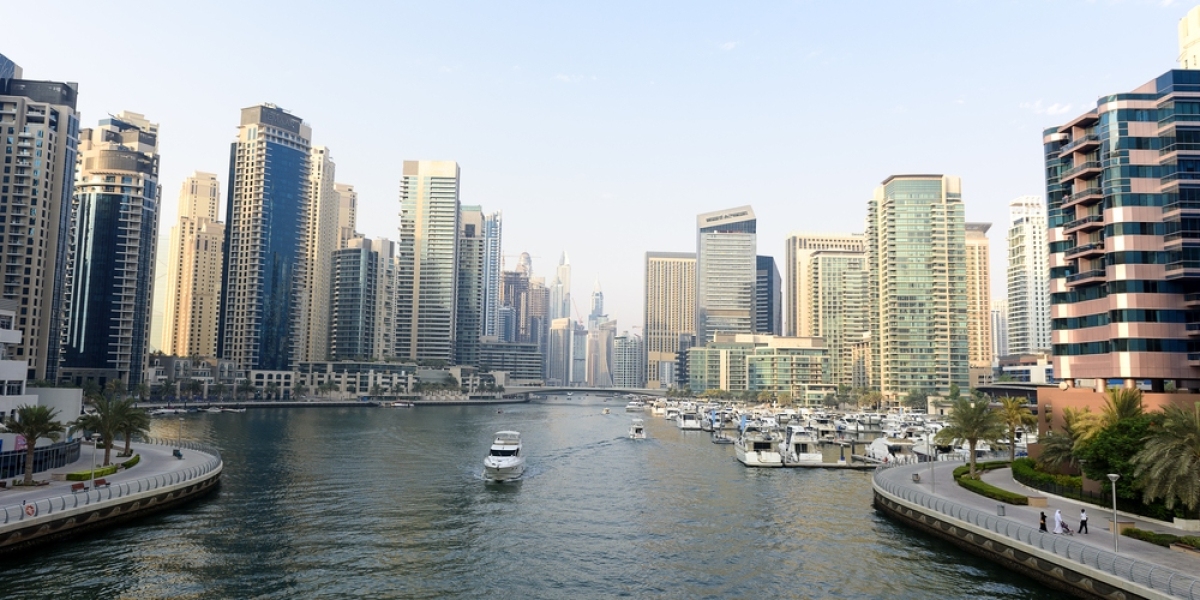

Dubai's real estate market offers a wide range of residential, commercial, luxury, and off-plan developments. Property developers play an important role in shaping the city's communities by planning, constructing, and delivering homes and commercial spaces. However, choosing the right developer requires more than comparing prices or attractive payment plans. Buyers should also consider the developer's track record, project location, construction progress, and contractual terms.
Whether you are purchasing your first property for sale or planning a property investment, understanding how developers operate can help you make a more informed decision. This guide explains how to compare developers, verify projects, understand costs, and explore suitable opportunities in Dubai.
What Do Property Developers in Dubai Do?
Property developers plan and deliver real estate projects. Their responsibilities may include acquiring land, designing buildings, arranging project finance, managing construction, marketing units, and handing over completed properties.
Dubai has developers that specialise in different property categories. Some focus on luxury residences, while others build affordable apartments, family communities, commercial spaces, or large mixed-use developments.
Types of Property Developers
Residential developers build apartments, villas, townhouses, and residential communities for homeowners and investors.
Luxury developers focus on premium residences, high-end finishes, exclusive amenities, and desirable locations.
Commercial developers create offices, retail spaces, warehouses, and business developments.
Off-plan developers market eligible properties before construction finishes. Buyers may pay according to an agreed schedule linked to the development or contract.
Understanding these categories helps buyers focus on developers that match their budget, lifestyle, and investment objectives.
Leading Property Developers in Dubai
Dubai has several established developers with different portfolios, locations, and development strategies. Buyers should compare each company's completed projects and current offerings instead of assuming that one developer suits every requirement.
Established and Master-Community Developers
Developers such as Emaar Properties, Nakheel, Dubai Properties, and Meraas have contributed to different residential, commercial, and master-planned developments across Dubai.
When researching these companies, review their relevant projects, community facilities, property types, and current availability. A developer's reputation alone does not guarantee that every project will meet your expectations.
Luxury and Contemporary Developers
DAMAC Properties, Sobha Realty, Omniyat, Binghatti, Danube Properties, and Azizi Developments offer different types of developments across Dubai.
Compare their individual projects rather than relying only on brand recognition. Consider the location, unit specifications, construction progress, service charges, and expected handover date.
What Should You Check in a Developer Profile?
Company background and development experience.
Completed projects and available evidence of delivery.
Current developments and registration details.
Construction quality and agreed specifications.
Customer support and after-sales services.
Use official developer information and independent verification when researching these details.
How to Choose the Right Property Developer in Dubai
Choosing a developer is an important step because the decision can affect your budget, ownership experience, and long-term plans.
Review the Developer's Track Record
Start by examining completed developments. Look at the quality of finished properties, the condition of shared facilities, and the developer's history of meeting contractual commitments.
Where reliable information is available, compare original completion schedules with actual handover dates. Speak with existing owners when possible, and consider documented feedback rather than relying only on promotional material.
Compare Project Locations
Location influences convenience, rental demand, and the overall ownership experience. Downtown Dubai, Dubai Marina, Business Bay, Dubai Hills Estate, and Jumeirah Village Circle offer different property types and lifestyles.
Consider access to public transport, schools, healthcare, shops, employment centres, and major roads. Investors should also examine competing developments and available rental properties in the same area.
Understand Pricing and Payment Plans
Developers may offer different payment structures, including instalments during construction or post-handover arrangements where available. Read the payment schedule carefully and confirm every amount and deadline in the contract.
Do not choose a project only because it advertises a low initial deposit. Calculate the full purchase cost, assess your future financial commitments, and check whether the payment plan suits your circumstances.
Understanding Off-Plan Property Developments in Dubai
Off-plan properties are purchased before construction is complete. They can provide access to new developments, modern layouts, and staged payment schedules, but they also involve risks that buyers must understand.
Benefits of Buying Off-Plan
Some buyers prefer off-plan developments because they offer a choice of units during the launch stage and may provide payment plans spread across an agreed period. New developments may also include modern facilities and planned community amenities.
However, potential benefits depend on the project, contract, market conditions, and buyer's financial position. Future price increases and rental returns are never guaranteed.
Risks to Consider Before Investing
Construction delays, changes in market conditions, unexpected ownership costs, and differences between expectations and delivered specifications can affect the buying experience.
Before paying a deposit, verify the project's registration, review the developer's relevant delivery history, and read the sale and purchase agreement carefully.
Check Escrow and Project Registration
Dubai has regulatory frameworks for qualifying off-plan projects, including applicable escrow arrangements. Buyers should verify the project's current status and relevant details through the Dubai Land Department or the appropriate regulatory service.
Do not assume that every project follows identical arrangements. Confirm the requirements that apply to the specific development.
Costs to Consider When Buying from a Developer
The advertised price does not always represent the total cost of ownership. Buyers should prepare a detailed budget before committing to a property.
Initial Purchase Costs
Depending on the transaction, costs may include the purchase price, applicable Dubai Land Department registration fees, agency commission, mortgage expenses, and administrative or registration service charges.
Ask for a written breakdown of applicable charges and confirm current fees with the relevant authorities or service providers.
Ongoing Ownership Expenses
Owners may also pay building service charges, maintenance expenses, insurance where appropriate, utility costs, and property management fees.
Investors should include potential vacancy periods and repair costs when estimating rental income. These expenses can reduce the net return compared with the advertised or projected gross yield.
How to Verify a Dubai Property Developer
Property due diligence helps buyers reduce avoidable risks before signing an agreement or transferring funds.
Verify the Developer and Project
Check the developer's registration through the appropriate official channels. Confirm that the project details, contracting entity, and property information match the documents provided to you.
Read the Sales and Purchase Agreement
Review the unit description, payment schedule, agreed specifications, expected completion date, and applicable cancellation or default provisions.
If a clause is unclear, obtain independent legal advice before signing. Do not rely solely on verbal promises about delivery dates, returns, or future resale opportunities.
Seek Independent Guidance
An experienced property advisor can help you compare projects and identify questions to ask. Hamilton Key Real Estate can help you explore property opportunities based on your budget, preferred location, and goals.
You can also use a trusted property partner network to learn about relevant developments and connect with suitable property professionals. Always confirm the scope of any referral or partnership and verify important details independently.
Is Buying from a Dubai Developer a Good Investment?
A property investment should match your financial goals, expected holding period, and ability to manage risk.
Evaluate Rental Yield and Capital Appreciation
Rental yield measures the income a property generates compared with its value or purchase cost. To assess a realistic return, consider annual rent alongside service charges, maintenance, management expenses, vacancy, and other relevant costs.
Capital appreciation refers to an increase in property value over time. Location, supply, demand, infrastructure, property condition, and wider market conditions can influence future prices. No developer or advisor can guarantee a particular investment return.
Choose a Property That Matches Your Goals
Homebuyers may prioritise layout, community facilities, and convenience. Long-term investors may focus on rental demand, ongoing expenses, and resale potential. Buyers considering a property for sale should compare completed and off-plan options before making a decision.
Explore available property for sale opportunities only after establishing a realistic budget and checking the relevant costs, ownership conditions, and contractual requirements.
Frequently Asked Questions
1. Who are the leading property developers in Dubai?
Dubai has several well-known developers, including Emaar Properties, Nakheel, DAMAC Properties, Sobha Realty, and others. The most suitable developer depends on your preferred location, budget, property type, and investment objectives.
2. How can I check whether a property developer is registered in Dubai?
Use the relevant Dubai Land Department and regulatory services to verify the developer and project information. Check the details against the official documents before making payments.
3. Is buying off-plan property in Dubai safe?
Off-plan purchases involve risks, including possible construction delays. Buyers should verify project registration, applicable escrow arrangements, payment terms, the developer's track record, and the sales agreement before committing.
4. What should I compare before choosing a property developer?
Compare completed projects, construction progress, location, pricing, payment plans, expected handover, service charges, and after-sales support. Review evidence rather than relying only on marketing claims.
5. Can foreign investors buy property directly from developers in Dubai?
Foreign buyers can purchase eligible properties in designated freehold areas, subject to applicable rules and registration requirements. Confirm the property's eligibility and ownership details with the relevant authorities before proceeding.
Final Thoughts
Choosing a property developer in Dubai requires careful research, realistic budgeting, and independent verification. Compare completed projects, investigate the location, understand the payment schedule, and review the contract before committing your money.
Hamilton Key Real Estate can help you explore relevant developments and compare property opportunities according to your needs. A well-researched decision starts with clear goals, reliable information, and a thorough understanding of both the benefits and the risks.









