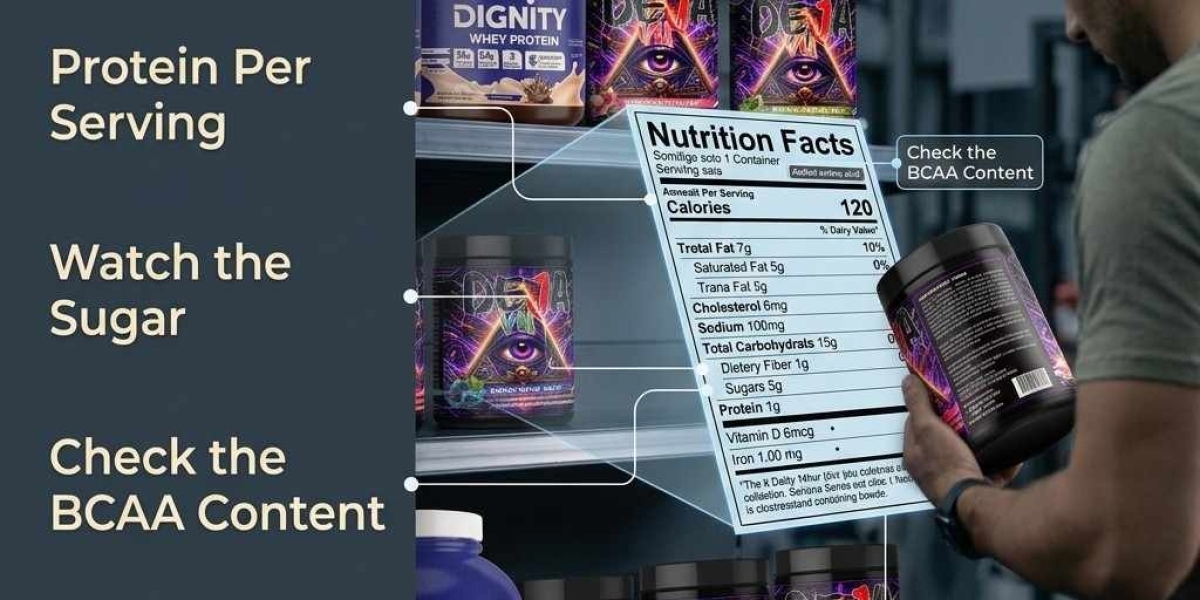

Buying a sports nutrition supplement should start with checking its label, not just its flavour, packaging or price. The label helps you understand what a product contains, how much of each ingredient it provides, how to use it and whether it suits your fitness goals. Whether you are comparing whey protein, pre-workout or creatine, learning to read product labels can help you make more informed decisions.
For people looking for sports nutrition products in India, Dignity Health offers different supplement categories for fitness enthusiasts and active individuals. Before choosing any product, take a few minutes to understand the information printed on its packaging.
1. Start by Checking the Ingredient List
The ingredient list is one of the first sections you should read when buying a supplement. It tells you which ingredients are used in the product and helps you understand what you are consuming.
Do not choose a supplement only because its front packaging highlights a particular ingredient. Turn the pack around and read the complete ingredient list. Check whether the ingredients match the product category and your requirements.
For example, a whey protein product should clearly identify its protein source, while a pre-workout supplement may contain ingredients commonly used in workout preparation. Understanding these differences makes product comparisons easier.
2. Understand the Serving Size
Serving size tells you how much product is considered one serving according to the label. It is important because the nutritional values and ingredient quantities are usually presented in relation to this amount.
For example, if a product lists its nutritional information per 30g serving, you should not compare those figures directly with another product that lists values per 40g serving without adjusting for the difference.
Always check:
Serving size in grams
Number of servings per container
Recommended quantity per serving
Scoop size, if provided
Directions for preparation and use
A larger container does not automatically mean better value. Compare the number of servings and the quantity provided in each serving before making a purchase.
3. Check the Protein Content Carefully
When buying whey protein, check how much protein you receive in each serving. The total weight of the powder and the actual protein content are two different things.
For example, a 35g scoop does not necessarily contain 35g of protein. The remaining weight may include carbohydrates, fats, flavouring ingredients and other components.
You can compare different whey protein options by reviewing their protein content, serving size and ingredient information.
If you prefer a coffee-inspired flavour, you can check Dignity Health Café Mocha Whey Protein. Read the product information and serving details to understand what the pack offers before deciding whether it fits your daily protein requirements.
4. Learn What Pre-Workout Labels Tell You
Pre-workout supplements are designed to be used before exercise, but their ingredient combinations and quantities can differ from one product to another.
When checking a pre-workout label, pay attention to the ingredient list, caffeine content where declared, serving size and usage instructions. These details can help you understand the product instead of relying only on promotional descriptions.
If you are comparing different options, the Dignity Health Pre-Workout Range provides a category page where you can review available products and their individual details.
People who are sensitive to caffeine or have health concerns should be especially careful with stimulant-containing products and seek appropriate professional advice before using them.
5. Compare the Whey Protein Category
Not every whey protein product has the same nutritional profile, flavour or serving information. Comparing labels can help you identify the differences between available options.
Before purchasing, check:
Protein per serving
Total serving count
Serving size
Carbohydrate and fat content
Ingredient list
Allergen information
Storage and usage instructions
You can use the Dignity Health Whey Protein Collection to compare available whey protein products. Read each product page separately because the nutritional details may vary between flavours or formulations.
6. Understand Creatine Product Information
Creatine is another supplement commonly used by people following strength-training routines. When comparing creatine products, check the ingredient name, quantity per serving, serving count and directions for use.
Do not assume that every product marketed as creatine has the same formulation. Read the label to identify the specific creatine form and check whether additional ingredients or flavouring components are included.
The Dignity Health Creatine Collection can help you review the available options. Compare the information on individual product pages rather than choosing only by flavour or container size.
7. Check Nutritional Values Beyond the Main Ingredient
The main ingredient is important, but it should not be the only thing you check. The nutrition information panel can provide a broader understanding of what a serving contains.
Depending on the product, review:
Calories
Protein
Total carbohydrates
Total sugars
Added sugars, where declared
Total fat
Sodium
Other declared nutrients
These details are useful when you are planning your daily food intake and comparing products. For example, someone monitoring their carbohydrate intake may pay closer attention to the carbohydrate and sugar values of a product.
8. Look for Manufacturing and Quality Information
A supplement label should also provide relevant product and manufacturer information. Check the brand or marketer details, batch number, manufacturing date, expiry or best-before date, and customer support information.
Where applicable, review the regulatory licence and certification details printed on the packaging. Do not assume that a logo or certification mentioned in an advertisement automatically applies to every product. Check the actual product packaging and supporting information.
Also, avoid purchasing products with damaged seals, unclear labels, missing batch details or signs of tampering.
9. Read the Usage Instructions and Warnings
Every supplement should be used according to its product-specific directions. The label may explain the recommended serving, preparation method, timing, storage conditions and precautions.
Avoid increasing the serving size simply because you want faster results. Taking more than the recommended quantity does not guarantee better performance or progress.
If you are taking medication, have an existing health condition, are pregnant or breastfeeding, or are unsure whether an ingredient is suitable for you, consult a qualified healthcare professional before using the supplement.
10. Compare Products Based on Value, Not Just Price
The cheapest supplement is not always the most suitable option. A better comparison considers the serving count, quantity per serving, nutritional information, ingredient details and product quality information.
For a practical comparison, calculate the approximate cost per serving:
Cost per serving = Product price ÷ Number of servings
For example, a product priced at ₹1,800 with 30 servings costs ₹60 per serving. This simple calculation can help you compare pack sizes more accurately.
However, cost should be considered alongside the product's ingredients and nutritional profile. A lower price alone should not determine your purchase.
11. Keep Your Fitness Goals in Mind
Your supplement choice should depend on your individual nutrition requirements, exercise routine and fitness goals. Someone trying to increase daily protein intake may compare whey protein products, while someone considering creatine or pre-workout should first understand the ingredients and usage instructions.
Supplements should complement a balanced diet and suitable training routine. They are not replacements for regular meals, adequate hydration, sufficient sleep or consistent physical activity.
If you are still working on your daily food choices, you can also read this guide on how to build healthy eating habits for practical ideas that support a balanced approach to nutrition.
Conclusion
Reading sports nutrition labels is a useful habit that can help you make better-informed supplement choices. Check the ingredient list, serving size, nutritional values, manufacturing information, usage instructions and product warnings before purchasing.
Whether you are comparing whey protein, pre-workout or creatine, take time to review the actual product details instead of relying only on packaging or promotional claims. A careful comparison helps you choose products that better match your requirements and fitness routine.









