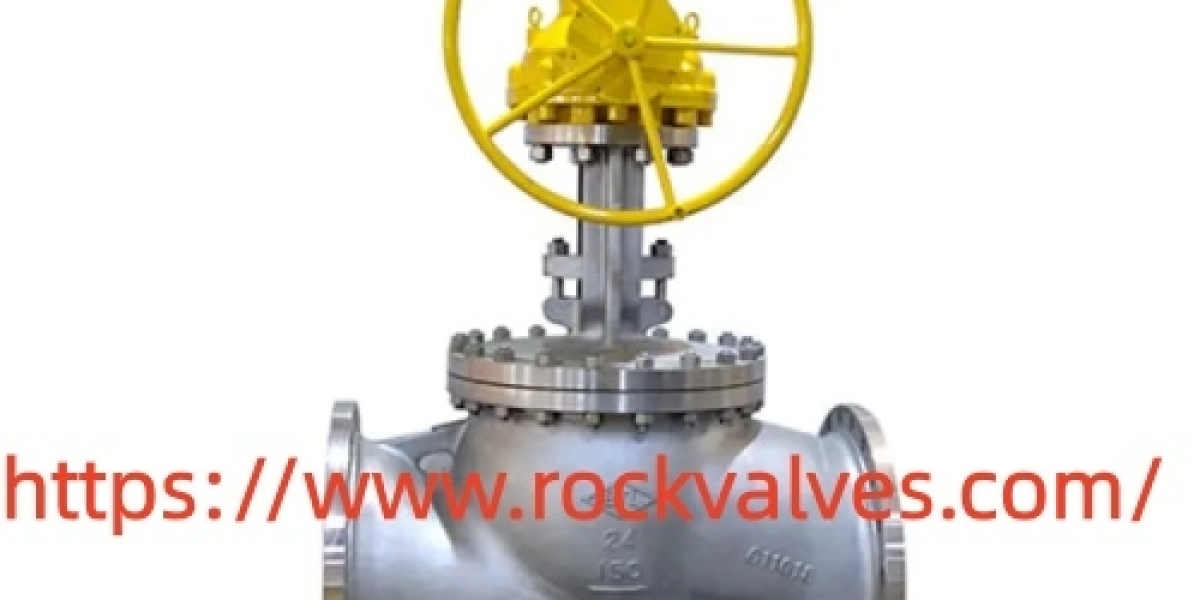

Cryogenic Gate Valve for Low Temperature Service applications require careful engineering because cooling affects the behavior of metals, seals, and moving components. In LNG terminals, industrial gas facilities, and other low temperature processes, equipment may face substantial temperature changes during startup, shutdown, and routine operation. These conditions make material compatibility, structural arrangement, and manufacturing control important parts of product selection. Buyers need to consider how the complete assembly will respond to the actual process environment rather than focusing on a single specification.
One challenge is the change in material properties as temperatures decrease. Certain metals may lose impact toughness in cold environments, which can increase their sensitivity to mechanical stress. Engineers therefore need to select materials according to the minimum design temperature and the characteristics of the process medium. Austenitic stainless steel grades are used in some cold service applications because they can retain useful toughness at low temperatures. However, the appropriate grade depends on pressure, corrosion exposure, fluid properties, and relevant project standards. Material review should cover the body, stem, closure components, fasteners, and other pressure retaining parts.
The valve structure also affects its ability to operate under cold conditions. An extended bonnet is commonly used in many cryogenic designs. It positions the stem packing farther away from the cold process area, helping reduce direct exposure to low temperatures. This arrangement can support the function of packing materials and provide space for thermal insulation around the pipeline connection. The required bonnet length depends on the equipment size, operating temperature, installation position, and project requirements. Buyers should review the dimensional drawing to make sure the arrangement fits the available space and maintenance plan.
Another important issue is the difference in thermal contraction between assembled components. When the temperature falls, metal parts become smaller, but materials do not always change dimensions at the same rate. This can affect clearances between the body, closure member, and seating surfaces. If these relationships are not considered during engineering, the equipment may experience increased operating resistance or changes in contact pressure. Manufacturers need to account for dimensional changes when determining component tolerances and assembly arrangements. The design should also consider repeated cooling and warming cycles, particularly in facilities where equipment is regularly taken offline for maintenance.
Sealing components require their own technical review. Packing and gasket materials must remain suitable for the intended temperature and pressure range. Some materials can become less flexible when cooled, while others may change dimensions or respond differently to compression. The seat arrangement must also be considered because sealing contact can be affected by temperature changes and pressure conditions. Buyers should request information about the materials used in the packing, gaskets, and seating components. This makes it easier to compare product configurations and confirm whether they match the process requirements.
Operational control is another part of the design discussion. Depending on the nominal size, pressure conditions, and installation arrangement, a manual handwheel, gearbox, or powered actuator may be considered. The operating method should provide appropriate force for the equipment while allowing practical access for maintenance. In automated facilities, buyers may also need to consider actuator compatibility, control signals, available power, and emergency operating arrangements. These details should be confirmed during the specification stage so that the complete assembly can be coordinated with the pipeline control system.
Manufacturing and inspection procedures help verify whether the finished product follows the approved design. Machining accuracy affects the fit between internal components, while surface condition can influence sealing contact. Material certificates, dimensional inspection records, and pressure test documents give purchasers useful information about production quality. For projects involving very low operating temperatures, additional testing requirements may apply. Depending on the applicable specification, buyers may request low temperature testing and operating checks to assess performance under defined conditions. The relevant acceptance criteria should be agreed upon before production begins.
Installation practices can also influence long term service. Pipeline alignment, support arrangements, insulation, and access for inspection should be considered before the equipment is fitted. Excessive external loads can place unnecessary stress on connected components. Insulation work should follow the approved installation plan and should not prevent access to parts that require inspection or adjustment. Operating personnel should also follow the manufacturer instructions when opening, closing, and maintaining the equipment. Any unusual operating resistance or signs of leakage should be examined by qualified maintenance staff.
Before requesting a quotation, buyers can prepare a clear set of technical details. These usually include the process medium, minimum and normal operating temperatures, design pressure, nominal size, connection standard, body material, operating method, and testing requirements. Project drawings can help clarify installation dimensions and surrounding equipment. Providing this information allows the manufacturer to review the application and discuss a suitable configuration instead of relying on incomplete assumptions.
For industrial projects involving liquefied gases and other low temperature media, equipment selection should connect engineering details with actual operating needs. Material specifications, bonnet dimensions, sealing arrangements, operating methods, and inspection records all deserve attention during procurement. Rockv provides industrial valve solutions for different pipeline applications, allowing buyers to review product configurations in relation to their project requirements. To check available products and discuss technical details for an upcoming project, visit https://www.rockvalves.com/product/ and review the Rockv range for your application.









