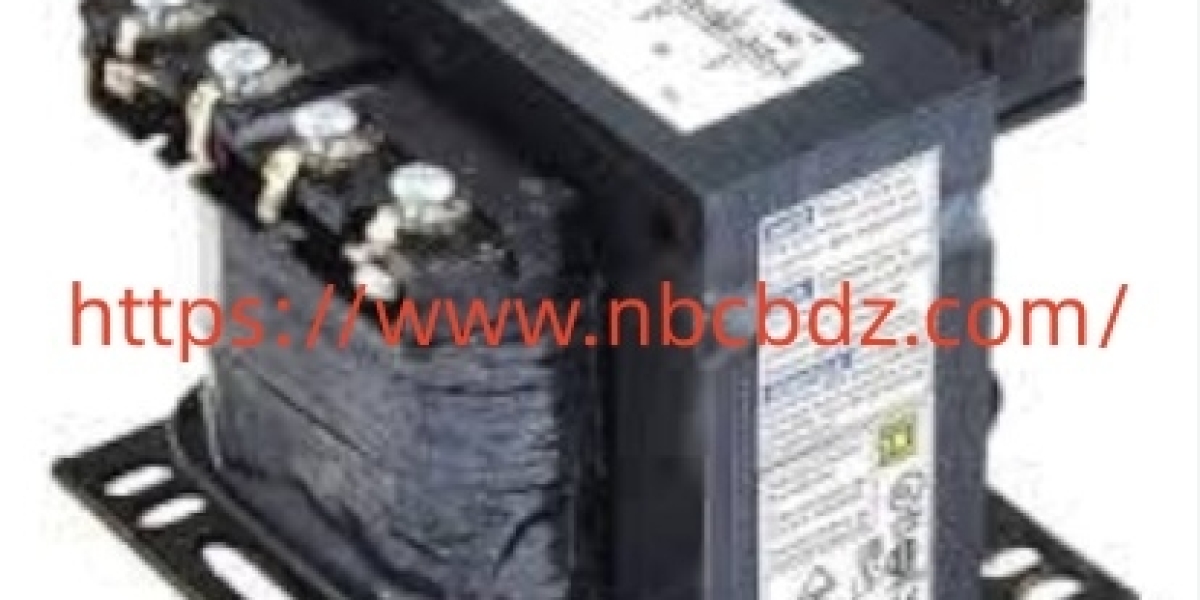

Many electrical systems depend on transformers to transfer energy between circuits while supporting the voltage relationship and isolation required by the equipment. When evaluating a Low-frequency Transformer Factory, buyers should look beyond the outer enclosure and consider how the core, windings, insulation, and assembly work together. Low-frequency transformer construction often emphasizes magnetic performance, mechanical stability, and dependable integration into electrical equipment. These considerations influence how a product fits its application and how effectively it can be incorporated into a larger system.
Material selection begins with the magnetic core. Laminated electrical steel is commonly used in low-frequency transformer construction because it provides a path for magnetic flux. The core is assembled from thin sheets, with insulation between layers helping limit unwanted circulating currents within the material. The quality of the steel, its surface condition, and the consistency of the lamination assembly all influence the magnetic behavior of the finished component. Core shape and construction also affect how the transformer fits within the equipment. Buyers should consider the core as part of the complete design rather than treating the material itself as the only indicator of quality.
The winding system is another important part of the transformer. Copper is widely used as a conductor because of its electrical properties, while aluminum may be selected in some designs according to the intended application and construction approach. The winding arrangement establishes the relationship between the input and output circuits. Insulation materials separate conductive layers and help maintain electrical isolation. A bobbin or other supporting structure can organize the windings and provide a stable foundation for assembly. The compatibility of these materials matters: insulation must suit the operating environment, and winding placement should correspond with the intended magnetic design.
Selecting a transformer begins with understanding the equipment in which it will be installed. Buyers should identify the transformer’s role, the type of electrical system it will serve, and the conditions surrounding its operation. Installation space, mounting method, connection arrangement, and access for servicing can all influence the choice. Environmental factors such as heat, vibration, moisture, and dust may also affect construction requirements. For manufacturers developing equipment, sharing these details with a supplier early in the process can help establish whether a standard product is appropriate or whether a tailored design is needed.
The operating principle relies on electromagnetic induction. An alternating current in the primary winding creates a changing magnetic field in the core. This field links with the secondary winding and induces an electrical output, transferring energy between circuits without requiring a direct conductive connection between them. The core provides the magnetic path, while the winding arrangement supports the intended relationship between input and output. Insulation separates the electrical sections, and the assembled structure helps keep the components in their intended positions. The transformer’s performance should be considered in the context of the surrounding circuit and its operating conditions.
Manufacturing consistency affects the quality of the finished transformer. Core laminations must be assembled appropriately, windings placed carefully, and insulation handled without damage. Depending on the design, assembly may include securing the core, connecting leads, applying protective materials, or fitting the transformer into a housing. Inspection can help identify issues such as loose components, damaged insulation, or inconsistent connections. Buyers may ask manufacturers about their assembly practices, inspection routines, sample approval process, and quality records. Clear communication about these procedures helps align product expectations with the requirements of the intended equipment.
User experience is influenced by features that may not be immediately visible. A transformer that fits the equipment layout can simplify installation and help keep internal wiring organized. Secure connections and clear identification can support assembly, inspection, and future servicing. Mechanical stability is also relevant because vibration or movement within an enclosure may affect surrounding components. In some applications, audible hum can be part of the operating experience, making core assembly and mounting considerations important during equipment design. Engineers should evaluate the transformer together with its enclosure, ventilation, and nearby components rather than assessing it as a standalone part.
Physical design shapes how the transformer integrates into an electrical product. Core geometry, winding placement, mounting features, and protective coverings influence the available installation options. A well-organized structure can make connections easier to access and help technicians inspect the assembly. Surface treatment and enclosure design should suit the expected environment, while the overall form should provide appropriate support without obstructing nearby components. Appearance is therefore connected to practical design: a clean, orderly construction can support assembly and maintenance when it is guided by functional requirements.
Ningbo Chuangbiao Electronic Technology Co., Ltd. offers transformer products for businesses sourcing components for electrical and electronic equipment. Buyers considering a low-frequency transformer can discuss its intended application, installation arrangement, material preferences, and environmental conditions with the company to clarify product suitability. Reviewing samples and defining quality expectations before production can support more effective communication between the supplier and equipment manufacturer. Further information about the company’s products is available at https://www.nbcbdz.com/product/.