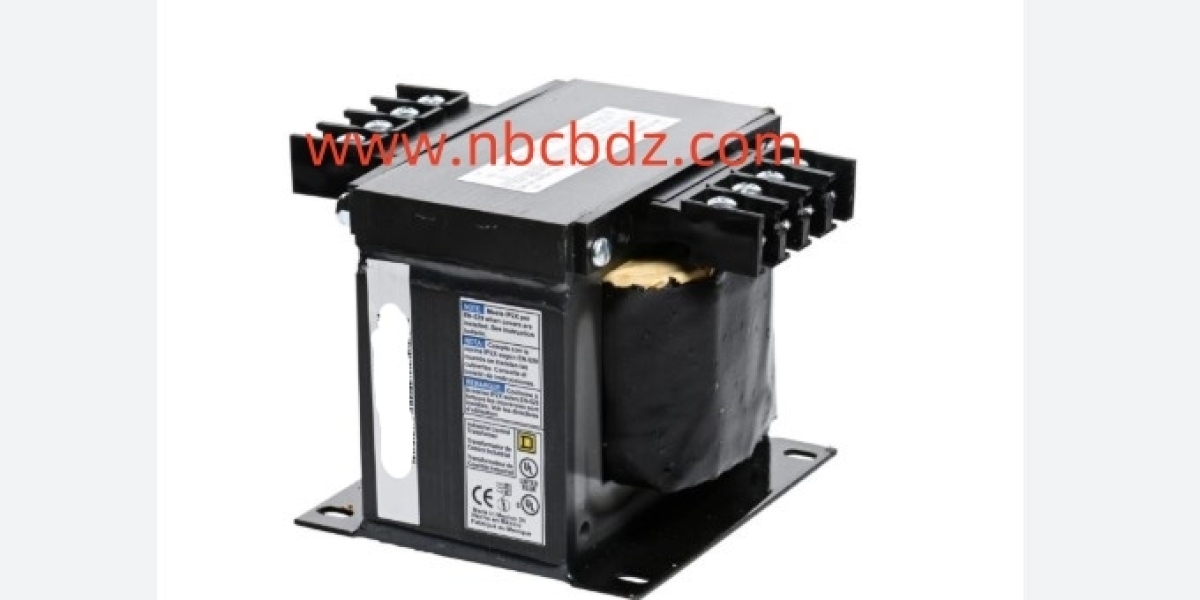

Electrical equipment often requires components that can be assembled neatly, connected reliably, and maintained without unnecessary difficulty. For buyers exploring an EI Transformer Factory, the familiar core shape is only one part of the evaluation. The relationship between magnetic laminations, winding placement, insulation, and mechanical support determines how the transformer fits into its intended application. EI construction is valued in many conventional electrical designs because its core and coil arrangement can be organized into a practical assembly. Understanding this construction helps manufacturers select components according to the needs of their equipment rather than relying on appearance alone.
The magnetic core is formed from electrical steel laminations arranged into an E-shaped section and a corresponding I-shaped section. These pieces create a magnetic path while allowing the winding assembly to be positioned within the core structure. Electrical steel is selected for its magnetic characteristics, and the lamination arrangement helps manage energy losses associated with changing magnetic fields. The condition of the sheets, the consistency of their surfaces, and the way they fit together all contribute to the finished assembly. Careful core construction supports the intended magnetic behavior while providing a stable foundation for the transformer.
Winding materials and insulation are equally important. Conductive wire forms the primary and secondary windings, transferring energy through electromagnetic induction. Copper is commonly used for its electrical properties, while other conductor choices may be considered depending on the design. Insulation separates turns and winding sections, helping maintain electrical isolation and preventing unintended contact. A bobbin or winding former can keep the coils organized and provide a structure for assembly. The fit between the winding, bobbin, and core should be considered as a complete system because each component affects the space, support, and protection available to the others.
When selecting an EI transformer, buyers should first define the application. The transformer may be intended for a control circuit, an electrical appliance, an industrial device, or another system requiring a suitable relationship between input and output circuits. The surrounding enclosure, mounting arrangement, wiring path, and accessibility of connections can influence the choice. Environmental conditions also deserve attention. Vibration, dust, moisture, and heat may affect the requirements for insulation, protection, and mechanical support. Sharing the intended use and installation conditions with a supplier can help clarify whether an existing product fits or whether a different construction should be considered.
The transformer’s function depends on electromagnetic induction. An alternating current in the primary winding creates a changing magnetic field in the core. This field links with the secondary winding and induces an electrical output, enabling energy transfer between circuits without a direct conductive connection. The core guides the magnetic flux, while the winding arrangement supports the intended electrical relationship. In a finished device, the transformer works alongside other components, so its operation must be considered within the complete circuit. The surrounding design, including wiring, protection, and equipment layout, influences how effectively the transformer is integrated.
Manufacturing quality depends on how consistently each stage is carried out. Laminations need to be aligned and assembled appropriately, while winding operations should maintain orderly coil placement. Insulation must be handled carefully, and lead connections should be secure and suitable for the intended assembly. Core fitting and mechanical support help keep the transformer’s parts in position. Inspection may include checking visible construction, connection integrity, and assembly condition. Buyers can ask about production controls, sample evaluation, and quality documentation to understand how a manufacturer manages consistency. Clear requirements shared before production can also help reduce avoidable differences between samples and delivered products.
User experience is shaped by installation and maintenance details. A well-organized transformer assembly can simplify placement within equipment and help keep internal wiring manageable. Accessible leads and clear identification support technicians during assembly, inspection, and servicing. Mechanical stability is important when the transformer is installed in equipment exposed to movement or vibration. In addition, the way the transformer is mounted and supported can influence its interaction with nearby components. Maintenance should follow the manufacturer’s guidance, and any electrical servicing should be performed by qualified personnel after the equipment has been safely isolated.
The EI core’s recognizable form can contribute to practical product design. Its arrangement provides a defined structure for the winding and core assembly, while mounting features and protective components can be adapted to the equipment layout. A tidy exterior and clearly arranged connections may help technicians identify and handle the component during production. However, design quality is not determined by visual neatness alone. The core, winding, insulation, and supporting structure must work together to meet the application’s requirements. Buyers should consider the physical form alongside installation access, protection, and the overall construction.
Ningbo Chuangbiao Electronic Technology Co., Ltd. supplies transformer products for businesses developing electrical and electronic equipment. Buyers evaluating EI transformer options can discuss the intended application, installation layout, material considerations, and quality expectations with the company. Reviewing samples and clarifying assembly requirements can help align the selected component with the needs of the finished product. Further information about the company’s transformer offerings is available at https://www.nbcbdz.com/product/.









