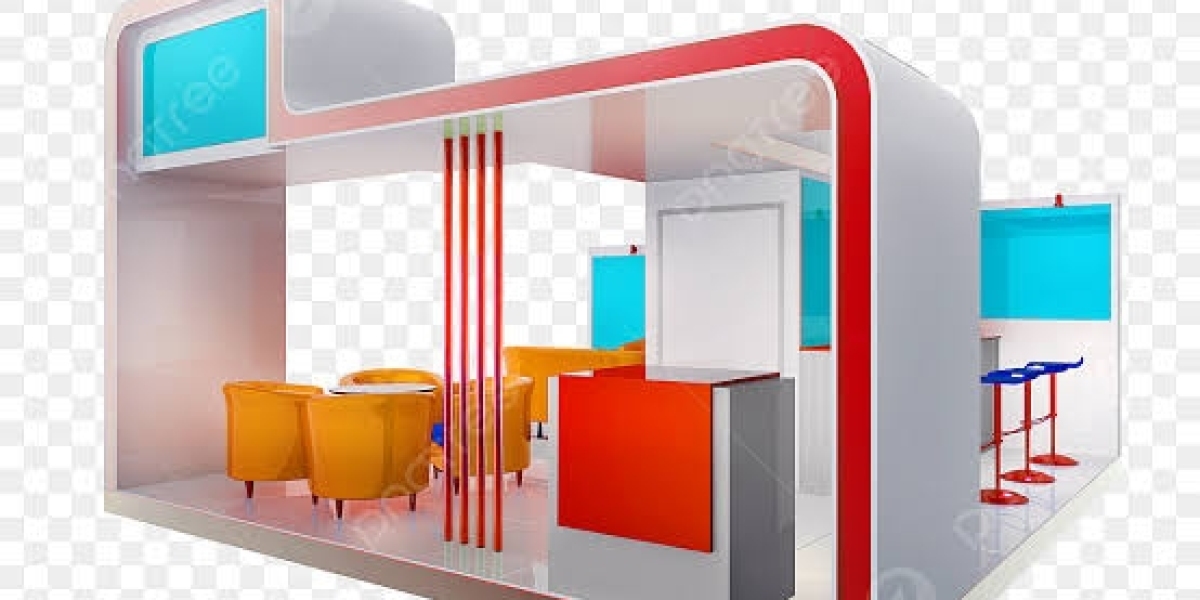

Every exhibitor knows the moment. The show is a few months away, the budget is approved, and the stand is still a rough idea on a notepad. Choosing an exhibition stand builder in Germany is one of the first big decisions you will make. It shapes how visitors see your brand, how smoothly the build goes, and how much pressure lands on your team. Germany hosts some of the busiest trade fairs in the world, so standing out takes planning. Here is what to look for.
What an Exhibition Stand Builder Actually Does
Many first-time exhibitors assume a builder simply puts up walls and a counter. A good exhibition stand builder company does far more than that.
It usually begins with design, turning your brand, products and goals into a floor plan and 3D visuals. After approval comes construction, graphics production, lighting, electrics, furniture, transport, installation and dismantling once the show closes.
Some companies only build from someone else’s drawings. Others offer full design and build. If you already have an in-house designer, an exhibition stand contractor may be all you need. If not, one team handling both design and construction keeps things much simpler.
Why Local Knowledge Matters at German Trade Fairs
Germany’s major fairgrounds, including Frankfurt, Munich, Düsseldorf, Cologne, Berlin and Hannover, each publish their own technical guidelines. These typically cover stand height, structural safety, fire-rated materials, electrical connections and rigging points. Organisers may ask for drawings or approvals before build-up begins, and the build-up window can be short.
A booth builder who works in these halls regularly knows what to expect and raises issues early, not on the morning the doors open. Always check the current exhibitor manual for your specific show, because rules differ between venues and change over time.
What Makes Exhibition Stand Design in Germany Work
Good stand design starts with one question: what should a visitor do when they arrive? Everything else follows from the answer.
Layout and flow. A big counter at the front can act like a barrier. Open sides and clear walkways invite people in.
Brand clarity. Visitors scan stands quickly. A strong headline and one or two key visuals work better than crowded graphics.
Lighting. Good lighting draws the eye to products and sets the mood, especially in large halls where neighbouring stands compete for attention.
Meeting space and storage. Conversations that matter need a calmer corner, and your team needs somewhere to keep brochures, samples and coats.
Take a machinery exhibitor with a small footprint. Showing one working demonstration and keeping a quiet area for talks usually beats squeezing in three machines. Design is often about deciding what to leave out.
How to Choose a Stand Builder in Germany
When you compare stand design providers, ask practical questions:
Have they built stands of a similar size or in your industry?
What is included: design, graphics, transport, on-site supervision, dismantling?
Do they know the venue and its rules?
Is the quote itemised so you can see where the money goes?
How many design revisions are included, and what are the deadlines?
Can modular parts be reused at future shows?
Clear answers to these questions say more about a builder than a polished sales presentation.
Why Work With Castle Booth Builder?
Castle Booth Builder designs and builds exhibition stands for businesses that want a clear, well-made presence at trade shows. Having one team manage concept, construction and installation means fewer handovers and fewer misunderstandings. You explain your goals once, and communication stays straightforward from first sketch to final walkthrough. If you are comparing stand builders in Germany, a short conversation about your show, space and budget is a good way to see whether the fit is right.
Practical Tips for Better Exhibition Results
Start early. Custom stands usually need several months from brief to build, and good builders get booked up.
Brief on goals, not just logos. Tell your builder whether you want leads, product launches or pre-booked meetings. The design should support that.
Share the hall plan early. Open sides, neighbouring stands and visitor entrances all affect the layout.
Plan power and storage. Screens, demos and refreshments need electrical points, and clutter needs a hidden home.
Think beyond one show. A modular design can be reconfigured for different stand sizes later.
Conclusion
The right exhibition stand builder in Germany does more than construct a booth. They help you turn a trade show budget into real conversations with the right people. Start early, be clear about your goals, and choose a partner who understands both design and venue requirements. If you are preparing for an upcoming show, Castle Booth Builder would be glad to talk through your plans and discuss what your stand needs.
FAQs
How early should I contact a stand builder before a trade show in Germany?
For a custom stand, several months ahead is a sensible starting point. Larger or more complex stands may need longer.
What is the difference between a stand designer and a stand contractor?
A designer creates the concept and visuals. A contractor builds and installs it. Many companies, including design-and-build firms, do both.
Do German trade fairs have special stand rules?
Yes. Each venue has technical guidelines covering height, materials, electrics and safety. Check the organiser’s exhibitor manual for your show.
Can I reuse my exhibition stand at other shows?
Often yes, especially with modular systems. Mention reuse in your brief so the design can be planned for it.









