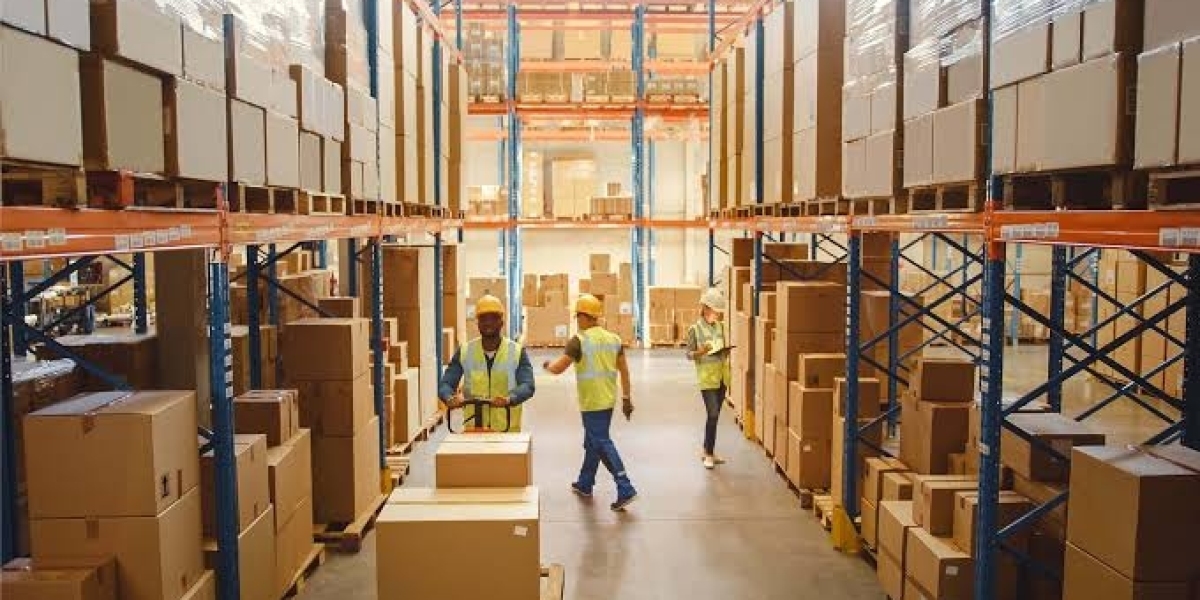

Picking and packing looks like the easy part of running an online store. Find the item, put it in a box, stick a label on it. How hard can it be? Then you hit 50 orders a day, a product gets mixed up with its near-identical cousin, a box arrives crushed, and you realise this "simple" job is quietly eating your week.
Outsourcing it to a specialist is one of the most practical moves a growing seller can make. Here is what pick and pack services involve, the real benefits of handing them over, and the trade-offs worth weighing before you do.
First, What Do Pick and Pack Services Actually Cover?
Picking is locating the right products in the warehouse for each order. Packing is checking them, protecting them, boxing them and getting them ready for the courier. Professional pick and pack services also tend to include receiving stock, storage, labelling, adding inserts or invoices, dispatching parcels and handling returns.
In other words, you are not just buying hands to put things in boxes. You are buying a repeatable process with space, systems and trained people behind it.
Eight Benefits of Outsourcing Pick and Pack
1. You get your time back. Every hour spent packing is an hour not spent on marketing, product development, supplier negotiations or customer relationships. For small teams, the time saved is often the biggest benefit. The founder moves from being the packer to being the business owner again.
2. Costs become variable, not fixed. In-house fulfilment brings rent, shelving, packing materials, labour and equipment, much of which you pay for even in a quiet month. With outsourced pick and pack services you typically pay per order and for the storage you actually use, so costs rise and fall with sales.
3. Better accuracy. Specialist warehouses use barcode scanning, defined picking routes and quality checks. That cuts mispicks, which means fewer wrong items, fewer refunds and fewer unhappy reviews. Accuracy is also cheaper than fixing mistakes, since each error costs you a replacement, a return and a reship.
4. Faster dispatch. Professional fulfilment centres are built for throughput. Orders placed before the cut-off are usually picked, packed and handed to the courier the same day or the next working day. Faster dispatch supports faster delivery, which customers increasingly expect.
5. Easier scaling and seasonal peaks. A sale, a viral post or Christmas can multiply your orders overnight. An in-house set-up struggles with that, while an established provider has the staff, space and processes to absorb it. You do not need to hire and train temporary staff every November.
6. Space freed up. Boxes in the spare room, garage or office are not a long-term plan. Moving stock to a warehouse gives your premises back, and in many cases lets you downsize or avoid taking on more space.
7. Better technology and visibility. Providers run warehouse management software that connects to your store, updates stock levels automatically and passes tracking details back to your customers. Live inventory counts reduce the risk of overselling and help you reorder at the right time.
8. A better customer experience. Consistent packaging, correct items and reliable delivery all add up to a brand customers trust. Many providers can use your own branded boxes and inserts, so the unboxing experience still feels like yours.
In-House vs Outsourced Pick and Pack at a Glance
Factor | In-house | Outsourced |
Cost structure | Mostly fixed (space, staff, equipment) | Mostly variable (per order and storage) |
Your time | Heavy daily commitment | Minimal, focused on oversight |
Accuracy | Depends on you and your team | Supported by scanning and checks |
Peak season | Stressful, needs extra hands | Handled by existing capacity |
Scaling | Limited by space and people | Flexible as volumes grow |
Control | Full, hands-on | Shared, through reporting and visibility |
The last row matters. Outsourcing means giving up some day-to-day control, which is why choosing the right partner is so important.
Who Benefits Most?
Outsourcing tends to pay off fastest for:
Growing online stores whose order volumes are outpacing their capacity to pack
Businesses with seasonal spikes that are hard to staff for
Founders still packing orders themselves and wanting to focus on growth
Brands planning to expand to marketplaces or new regions
If you ship only a handful of orders a week, keeping things in-house may still make sense. The break-even point depends on your cost per order, so measure it before you decide.
The Trade-Offs Worth Considering
It is worth being honest about the downsides, because they are manageable if you plan for them.
Less hands-on control. You will not see every parcel packed. Reduce the risk by agreeing reporting, quality checks and communication in advance.
Fees beyond the headline rate. Storage, packaging, returns and set-up can all add to the bill. Ask for a fully itemised quote.
Transition effort. Moving stock and connecting systems takes planning. A phased start with a small batch of orders keeps risk low.
How to Choose the Right Partner
Ask about accuracy rates and how errors are corrected.
Confirm cut-off times for same-day dispatch.
Check integrations with your store and marketplaces.
Request transparent pricing with no hidden extras.
Make sure returns handling is clearly defined.
Look for a team that communicates promptly and treats your orders with care.
How Waypoint3PL Helps
Waypoint3PL is a UK ecommerce fulfilment company that handles the physical side of online selling for growing brands: receiving and storing stock, picking and packing orders accurately, dispatching parcels and managing returns. The goal is straightforward. Orders go out correctly and on time, so you can concentrate on sales, marketing and product.
Whether you are overwhelmed by daily packing or preparing for a seasonal rush, Waypoint3PL's pick and pack services are designed to take that workload off your hands and give your customers a consistently good delivery experience as you grow.
Frequently Asked Questions
What does pick and pack mean in ecommerce?
Pick and pack is the process of selecting the items for a customer's order from warehouse shelves (picking) and preparing them for shipment (packing). It is the core of order fulfilment.
How much do pick and pack services cost?
Pricing varies by provider and depends on order volume, product size and packaging needs. Most providers charge a fee per order plus a small fee per additional item, along with storage and packaging costs. Always ask for a full breakdown.
Is outsourcing pick and pack worth it for small businesses?
Often, yes. It saves time, removes the need for storage space and lets costs scale with orders. It is especially useful once packing starts to take hours away from growing the business.
Can I use my own branded packaging?
In most cases, yes. Many providers can use your boxes, mailers and inserts so customers receive a consistent branded experience.
How quickly will my orders be dispatched?
This depends on the provider's cut-off times. Many dispatch the same day or the next working day for orders placed before the cut-off. Confirm this before signing up.
Will I still be able to see my stock levels?
Yes. Good providers connect their systems to your store and give you live visibility of inventory, orders and tracking, so you are never left guessing.
Final Thoughts
Outsourcing pick and pack fulfilment is not just about saving effort. It is about turning a fixed, time-hungry task into a flexible, reliable service that grows with you. Lower overheads, faster dispatch, fewer errors and more time for the work only you can do are strong reasons to consider it. If you are ready to take the next step, Waypoint3PL can help you get there with confidence.