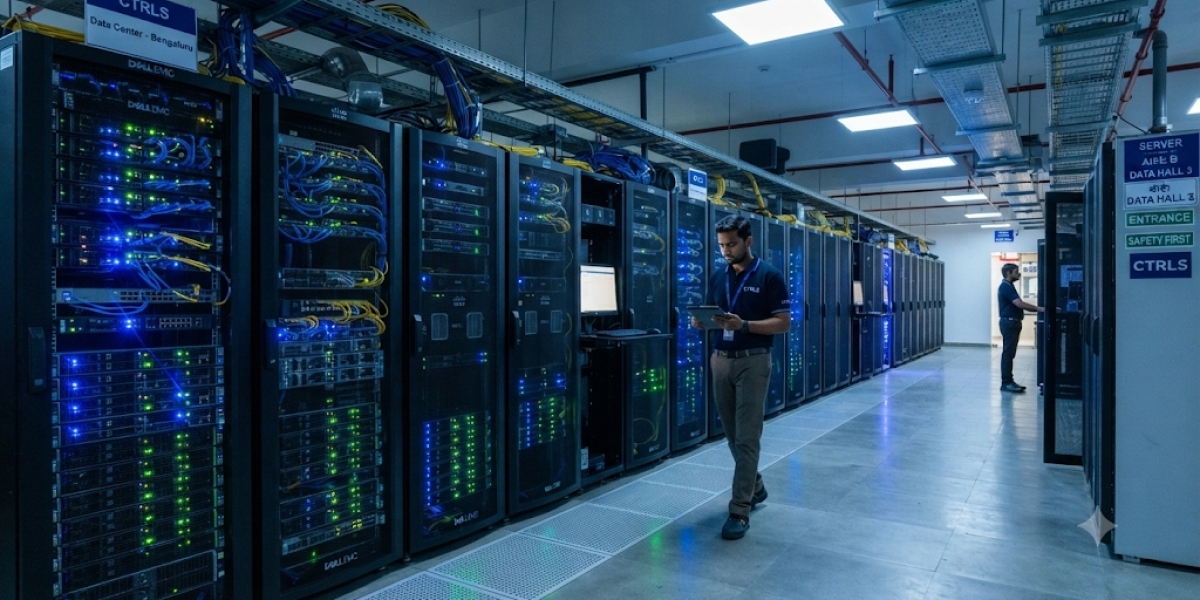

Businesses across India are increasingly using digital platforms to manage their operations, connect with customers, and deliver online services. From eCommerce websites and corporate portals to business applications and databases, every online service depends on reliable hosting infrastructure.
As businesses grow, their technical requirements also change. A website that performs well with limited traffic may struggle when visitor numbers increase. Similarly, applications handling large amounts of data need sufficient computing resources to maintain performance.
Choosing the right hosting solution helps businesses manage these challenges while preparing for future expansion.
Why Is Reliable Hosting Important for Growing Businesses?
Hosting infrastructure plays an important role in website performance and business continuity. Slow loading speeds, unexpected downtime, and limited server resources can affect customer experience and interrupt daily operations.
A reliable hosting environment offers several advantages:
Better website performance: Sufficient hardware resources help websites and applications respond efficiently.
Improved availability: Reliable infrastructure helps reduce unexpected service interruptions.
Data security: Proper security configurations help protect important business information.
Resource flexibility: Businesses can select hardware according to their workload requirements.
Operational stability: Consistent server performance supports important business applications.
For companies that depend on online services, choosing suitable hosting infrastructure is an important business decision.
What Factors Should You Consider When Choosing a Server?
Before selecting a hosting provider, businesses should evaluate their technical requirements. Different applications need different hardware configurations, so understanding the available resources is essential.
1. Processor Performance
The processor manages computing instructions and application operations. Businesses running high-traffic websites, enterprise applications, or large databases should select processors that can handle their workloads.
Intel Xeon and AMD EPYC processors are popular options for demanding server environments.
2. RAM Capacity
RAM helps applications access temporary information quickly. Websites with large databases and platforms running multiple applications may require higher memory capacity.
Selecting sufficient RAM helps maintain smooth operations during periods of increased activity.
3. Storage Technology
Storage affects how quickly applications access files and databases. Traditional HDDs provide large storage capacity, while SSD and NVMe drives offer faster read and write performance.
Businesses should also evaluate RAID configurations and backup requirements to support data reliability.
4. Network Connectivity
Network connectivity influences how quickly users can access websites and applications. Bandwidth capacity, latency, and network routing are important factors when selecting a hosting location.
Companies serving customers across India should consider infrastructure with reliable domestic connectivity.
Why Should Businesses Consider Dedicated Servers in India?
When businesses need greater control over their hosting environment, dedicated servers in india can provide a suitable solution. Dedicated hosting assigns an entire physical machine to one customer, allowing the business to use its available processing power, RAM, and storage without sharing the primary hardware resources with other customers.
This hosting model is useful for several workloads, including:
High-traffic websites and eCommerce platforms.
Enterprise applications and database management.
Online gaming and application hosting.
Data processing and virtualization.
Business platforms requiring customized security settings.
Another advantage is configuration flexibility. Businesses can select processors, memory, storage drives, and operating systems according to their specific requirements.
Server location is equally important. Organizations serving customers in northern India may consider Delhi NCR as a suitable hosting location based on their audience and connectivity requirements.
How Do Security and Server Management Affect Hosting?
Server security requires regular attention. Businesses should install software updates, configure firewalls, monitor system activity, and maintain appropriate backup procedures.
Remote management features such as IPMI allow administrators to monitor hardware and perform certain maintenance tasks without physically accessing the server.
Companies without an experienced internal IT team may also consider managed hosting. Depending on the service agreement, managed services can include server monitoring, maintenance, troubleshooting, and technical assistance.
These measures help maintain infrastructure stability and reduce the risk of avoidable technical problems.
How Does Leapswitch Support Business Hosting Requirements?
Leapswitch provides dedicated server hosting solutions for businesses with different technical and operational needs.
Its infrastructure options include Intel and AMD processors, SSD and NVMe storage, RAID configurations, IPMI remote management, and Tier 1 bandwidth connectivity.
Businesses can select server configurations based on their applications, traffic levels, and storage requirements. Managed and self-managed hosting options also provide flexibility for organizations with different levels of technical expertise.
With infrastructure locations in Delhi NCR, Mumbai, Pune, and international markets, Leapswitch supports businesses looking for hosting environments that match their operational requirements.
Conclusion
Reliable hosting infrastructure is essential for maintaining website performance, protecting business data, and supporting growing applications. Businesses should evaluate processor capacity, RAM, storage technology, network connectivity, and technical support before selecting a hosting solution.
A properly configured hosting environment provides the resources and control needed to manage demanding workloads. By choosing a suitable hosting provider, businesses can build a stable foundation for their current operations and future growth.