
Discovering a problem with your home's sewer system can be stressful, especially when the damage is hidden underground. Recurring drain clogs, wastewater backups, and unusual odors may indicate that something is affecting the performance of your plumbing system. However, identifying a symptom is only the first step. Understanding the actual condition of the sewer line is equally important.
A professional sewer inspection helps homeowners determine what may be happening inside their underground pipes. Once the inspection is complete, the next step is reviewing the findings and deciding whether cleaning, repair, or replacement is necessary.
Knowing how to interpret these results can help homeowners avoid unnecessary work and make better decisions about their plumbing systems.
Why Is a Sewer Inspection Important Before Repairs?
Traditional plumbing troubleshooting sometimes focuses on clearing the immediate blockage without identifying the underlying cause. While this may resolve a temporary problem, recurring drainage issues can indicate that something deeper is affecting the sewer line.
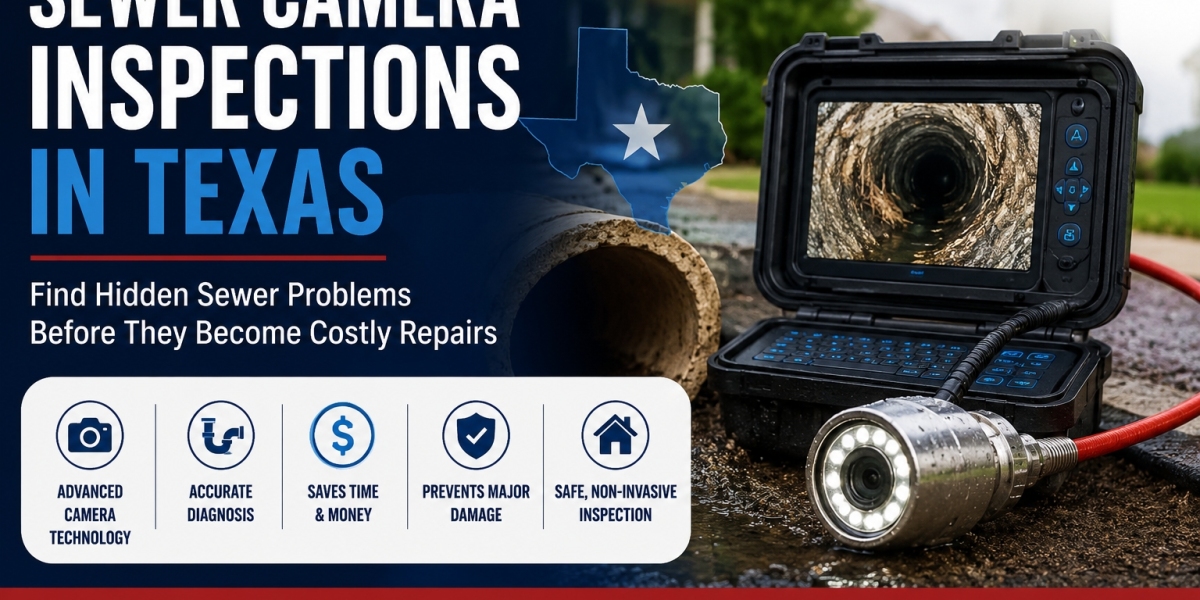
A sewer camera inspection allows a plumbing professional to examine the accessible interior of the pipe. The footage can reveal visible obstructions, root intrusion, cracks, corrosion, and other irregularities.
This information is useful because different sewer problems require different solutions. For example, a pipe blocked by grease may need professional cleaning, while a damaged section could require more extensive repair.
Having a clearer picture of the problem helps homeowners understand why a particular service is being recommended.
Common Findings During a Sewer Line Inspection
An inspection may reveal several conditions depending on the age, material, and overall condition of the plumbing system.
1. Tree Root Intrusion
Tree roots naturally seek moisture and can enter underground pipes through small openings or loose connections. As they grow, they may restrict wastewater flow and contribute to recurring blockages.
The extent of the intrusion determines whether root removal, additional cleaning, or pipe repair may be necessary.
2. Grease and Debris Buildup
Cooking grease, soap residue, and other materials can accumulate inside drainage pipes over time. These deposits gradually reduce the available space for wastewater to pass through.
Professional cleaning may help restore normal flow, although recurring buildup should be investigated to identify contributing factors.
3. Cracked or Damaged Pipes
Cracks may develop because of aging materials, ground movement, corrosion, or external pressure. Depending on their severity and location, damaged sections may require localized repairs or replacement.
4. Misaligned Pipe Connections
Underground pipes can shift or separate at their joints. These irregularities may affect wastewater movement and create spaces where debris accumulates.
A technician can use the inspection footage to assess the visible condition and recommend further evaluation when needed.
5. Corrosion in Older Plumbing Systems
Older metal sewer pipes may deteriorate internally over time. Corrosion can affect the pipe's structural condition and contribute to restrictions or leaks.
The appropriate solution depends on the extent of deterioration rather than the pipe's age alone.
Sewer Cleaning vs. Sewer Line Repair: Understanding the Difference
Homeowners sometimes confuse drain cleaning with sewer line repair, but these services address different problems.
Sewer cleaning focuses on removing obstructions such as grease, debris, and certain root growths. It may restore wastewater flow when the pipe itself is still in suitable condition.
Sewer line repair addresses physical damage, including cracks, separated joints, and deteriorated pipe sections. Depending on the situation, a professional may recommend a localized repair or a larger replacement project.
A camera inspection can help distinguish between an obstruction and a visible structural issue. However, some conditions may require additional testing before a final repair decision is made.
What Should Homeowners Review in an Inspection Report?
After the inspection, homeowners should take time to understand what the technician observed. A useful report or explanation should cover several important details:
Inspected pipe sections: Which areas of the sewer line were accessible and examined?
Visible problems: Were there blockages, cracks, root intrusion, or other irregularities?
Problem location: Can the technician identify the approximate position of the suspected issue?
Recommended action: Is cleaning sufficient, or does the pipe require further investigation or repair?
Supporting evidence: Is video footage or photographic documentation available?
These details can help homeowners understand the recommendation instead of approving repairs without knowing what problem is being addressed.
It is also reasonable to request a second professional opinion when the proposed work involves substantial excavation or full sewer line replacement.
Factors That Influence Sewer Repair Costs
There is no single price for sewer line repair because each property has different plumbing conditions.
The final estimate may depend on the location of the damaged section, pipe material, depth, accessibility, extent of deterioration, and labor requirements.
For example, a blockage that can be cleared through an existing access point generally involves different work from repairing a damaged underground pipe.
Additional expenses may arise when landscaping, concrete surfaces, or other structures need to be accessed.
Before approving a project, homeowners should request an itemized estimate explaining the recommended work, materials, labor, and any additional services.
Why Texas Homeowners Should Pay Attention to Underground Plumbing
Homes across Texas have different plumbing challenges depending on their age, location, soil conditions, and surrounding vegetation.
In certain areas, expansive clay soils can shrink and expand as moisture levels change. Over time, repeated soil movement may contribute to stress on underground pipe connections.
Tree roots can also become a concern when mature landscaping is located near sewer lines. Older properties may have pipes that have experienced years of wear, making regular attention to drainage problems particularly important.
A professional sewer line inspection in Texas can provide useful information when homeowners experience recurring plumbing issues or want to understand the condition of an older drainage system.
Simple Habits That Support Better Sewer Maintenance
Although professional inspections and repairs address existing problems, everyday habits also influence how residential sewer systems perform.
Homeowners can help reduce avoidable plumbing issues by following a few practical steps:
Never pour cooking grease or used oil directly into kitchen drains.
Avoid flushing wipes, sanitary products, and other unsuitable materials.
Use drain screens to catch hair and larger debris.
Pay attention to recurring clogs instead of repeatedly relying on temporary solutions.
Keep records of previous sewer repairs and plumbing inspections.
Avoid planting trees directly above known underground sewer lines without considering their mature root systems.
These measures cannot eliminate every sewer problem, but they can support better household plumbing maintenance.
Final Thoughts
A sewer inspection is useful not only for identifying hidden plumbing problems but also for understanding what should happen next. Reviewing inspection footage, asking questions about the findings, and comparing repair recommendations can help homeowners make informed decisions.
Whether the issue involves root intrusion, grease buildup, damaged pipes, or aging connections, the right solution depends on the actual condition of the sewer system.
Taking time to understand the problem before approving repairs can help homeowners avoid unnecessary expenses and maintain a more dependable plumbing system.
For a closer look at inspection methods, common sewer line issues, and what homeowners can expect, read this guide to sewer camera inspections.