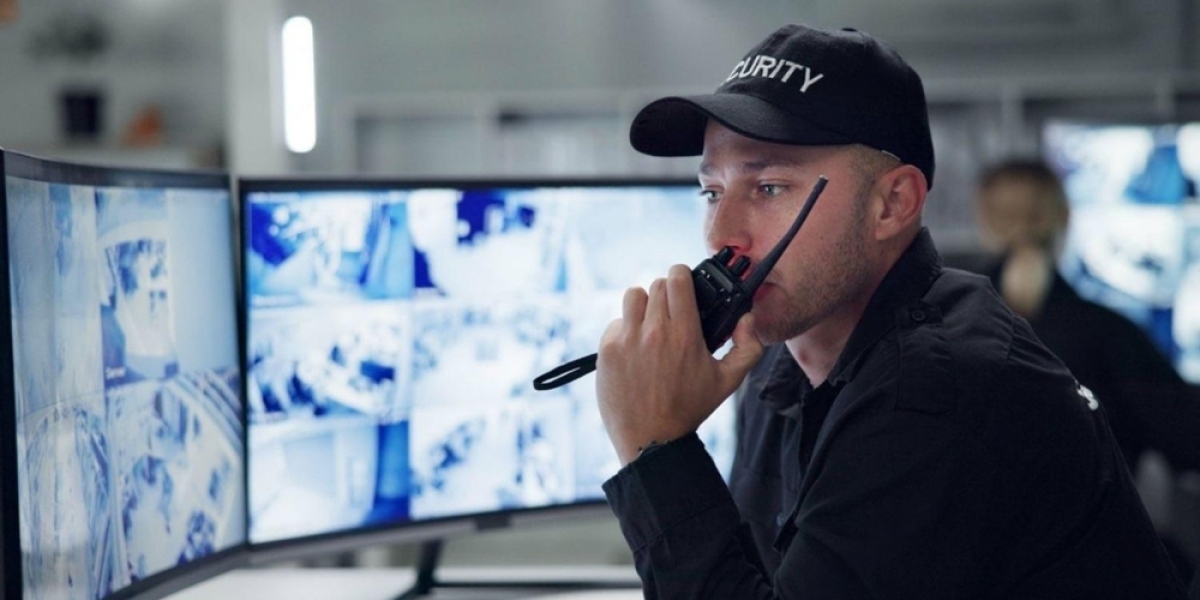

The UK security industry is changing as businesses adopt modern technology to protect their premises, employees and valuable assets. Traditional security methods, such as manned guarding and routine patrols, remain important, but organisations increasingly use digital systems to improve monitoring, manage access and respond to potential threats. These developments are changing how security services are planned and delivered.
Technologies such as artificial intelligence (AI), smart CCTV, cloud-based monitoring and electronic access control are creating new opportunities for businesses and security providers. These tools can help identify unusual activity, improve communication and provide better oversight of commercial premises. Understanding these developments is important for organisations looking to maintain effective security in an increasingly connected environment.
Artificial Intelligence Is Improving Threat Detection
Artificial intelligence is becoming an important part of modern security systems. AI-powered software can analyse information from cameras and other monitoring devices to identify unusual activity. Instead of relying entirely on someone watching multiple screens, these systems can highlight specific events that may require attention from security personnel.
For example, intelligent video analytics may detect movement in restricted areas, unusual activity outside operating hours or objects left in monitored locations. This can help security teams investigate potential concerns more efficiently. However, AI should support professional judgement rather than replace trained personnel, particularly when an incident requires human assessment.
Smart CCTV Systems Provide Better Monitoring
CCTV has been used for many years to monitor commercial buildings, retail premises, warehouses and public spaces. Modern camera systems offer more advanced features, including high-definition recording, remote viewing, motion detection and intelligent video analytics. These improvements help businesses monitor their premises with greater flexibility.
Remote access allows authorised users to view camera footage from suitable devices without being physically present in a control room. This can be useful for organisations managing multiple locations or properties with different operating hours. Modern CCTV can also support incident investigations by providing recorded footage, although systems must be installed and managed responsibly.
Electronic Access Control Is Strengthening Building Security
Traditional keys can be difficult to manage when businesses have large numbers of employees, contractors and visitors. Electronic access control provides an alternative by allowing organisations to manage entry through keycards, PIN codes, mobile credentials and other authorised methods. Access permissions can be assigned according to individual roles and workplace requirements.
These systems also make it easier to update access permissions when employees change roles or leave an organisation. Businesses can review entry records, restrict access to sensitive areas and manage permissions across different departments. When properly configured, electronic access control helps improve building security while making everyday entry procedures more organised.
Cloud-Based Security Systems Improve Remote Management
Cloud technology is changing how security systems are stored, accessed and managed. Instead of depending entirely on equipment installed at one location, some modern solutions allow authorised users to access monitoring platforms and relevant information through secure online services. This can make managing several buildings or sites more convenient.
For security providers, cloud-based platforms can support communication between monitoring teams, managers and on-site officers. Businesses may also benefit from centralised oversight when their premises are spread across different locations. However, organisations should consider data protection, user permissions, system reliability and cybersecurity before adopting connected security solutions.
Mobile Technology Is Supporting Security Personnel
Smartphones and mobile applications are helping security officers manage their duties more efficiently. Depending on the system, officers can receive instructions, record incidents, complete patrol checkpoints and communicate with supervisors using mobile devices. This can reduce reliance on paper-based reporting and make important information easier to share.
Mobile technology can also improve accountability by creating digital records of patrol activities and reported incidents. Supervisors may be able to review updates and identify issues that require attention. These tools are particularly useful for providers managing several sites, as they can support better coordination between security personnel and management teams.
Remote Monitoring Is Changing Traditional Security Operations
Remote monitoring allows trained operators to observe security systems from a central location rather than relying only on personnel stationed at individual properties. Connected cameras, alarm systems and monitoring platforms can send alerts when certain events occur. Operators can then assess the information and follow agreed response procedures.
This approach can support businesses that need monitoring outside normal working hours or across multiple premises. Remote monitoring may also work alongside mobile patrols and on-site guards, creating a combination of physical and digital protection. It is important to remember that remote systems do not physically intervene, so suitable arrangements for responding to incidents remain necessary.
Drones and Advanced Sensors Are Expanding Surveillance Options
Drones and modern sensor technology are introducing additional ways to monitor large or difficult-to-access areas. In suitable environments, authorised drone operations can provide aerial views of extensive sites, construction projects and industrial facilities. Sensors can also help detect movement, changes in environmental conditions or activity around restricted boundaries.
These technologies may support security teams when conventional camera positions cannot provide sufficient coverage. However, their use requires proper planning, operator training and attention to privacy and aviation requirements. Businesses should assess whether these solutions genuinely improve their security arrangements before introducing them.
Technology Is Changing the Role of Security Companies
Modern security providers are increasingly expected to understand both traditional guarding and technology-based protection. Businesses may want officers who can operate access control systems, use digital reporting tools, monitor CCTV and follow procedures involving connected security equipment. This means training and technical knowledge are becoming increasingly important within the industry.
A professional security company uk businesses choose should be able to explain how its personnel and technology work together. Rather than relying on equipment alone, providers should understand the property's risks and recommend suitable combinations of physical guarding, monitoring and access management. This approach helps organisations develop security arrangements that reflect their actual operational needs.
Cybersecurity and Data Protection Are Becoming Essential
As security equipment becomes more connected, protecting digital systems is just as important as protecting physical premises. Cameras, access control platforms and cloud-based monitoring services may contain sensitive information or connect to business networks. Weak passwords, outdated software and poor access management can expose these systems to unauthorised use.
Businesses should work with suitable technology providers to maintain secure configurations, update software and restrict access to authorised users. They should also consider the UK GDPR and Data Protection Act 2018 when collecting or storing personal information through surveillance systems. Responsible data management helps maintain trust while supporting effective security operations.
The Future of the UK Security Industry
The future of the UK security industry is likely to involve greater integration between physical security, digital monitoring and data analysis. Instead of operating separate cameras, alarms and access control systems, businesses are increasingly interested in platforms that allow different technologies to work together. This can help create a clearer picture of activity across their premises.
However, technology alone cannot provide complete protection. Trained security personnel remain essential for interpreting situations, communicating with people and responding appropriately to incidents. Businesses that combine reliable technology with professional expertise will be better positioned to adapt to changing security requirements and manage emerging risks.
Conclusion
Modern security technology is changing the UK security industry by improving monitoring, access management, communication and threat detection. AI-powered analytics, smart CCTV, cloud platforms, mobile applications and advanced sensors are giving businesses more ways to protect their premises and manage potential risks.
The most effective approach is to combine these developments with trained security personnel, clear procedures and responsible data management. As technology continues to develop, businesses should assess their requirements carefully and choose solutions that provide practical value. A balanced approach can help organisations maintain effective protection while preparing for the future of commercial security.