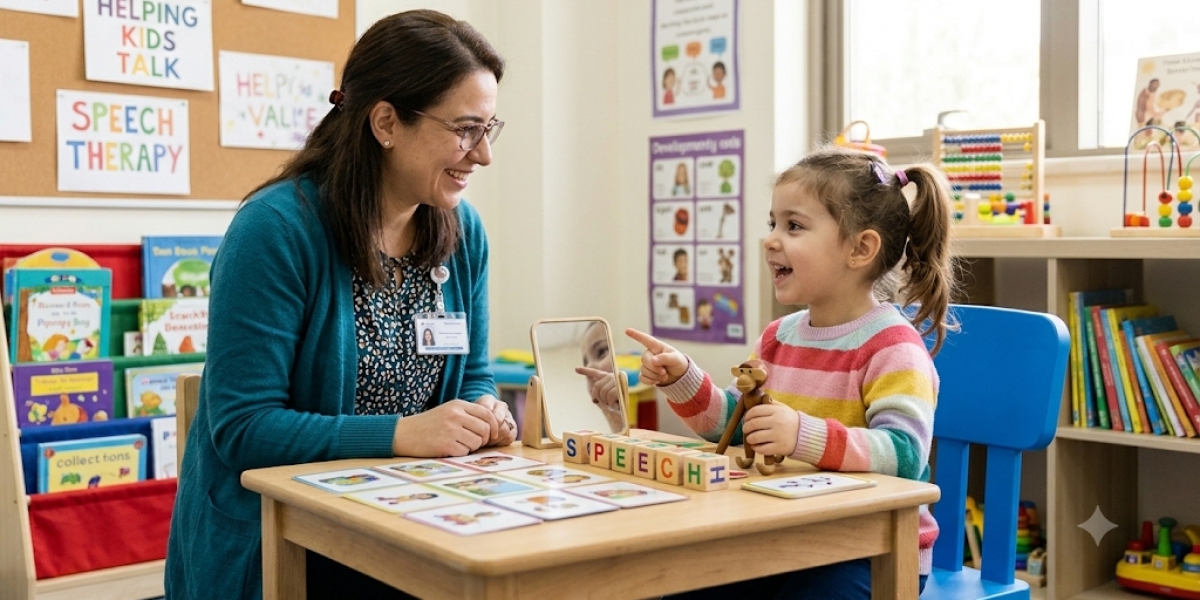

Every child develops communication skills at their own pace. While some children begin speaking early, others may need additional support to express their thoughts, understand words, or communicate with people around them. Recognising these differences and seeking appropriate guidance can help parents better understand their child's communication needs.
Why Communication Skills Matter in Childhood
Speech and language development plays an important role in a child's everyday life. It helps children share their feelings, build relationships, participate in learning activities, and interact with family members. When communication becomes challenging, children may find it difficult to express their needs or participate confidently in social situations.
Parents may notice concerns such as unclear pronunciation, limited vocabulary, difficulty forming sentences, stammering, or delays in understanding spoken instructions. These signs do not always indicate a developmental condition, but they may be reasons to seek a professional assessment.
Recognising When a Child May Need Support
Children develop at different rates, so it is important to consider their individual abilities and developmental history. However, persistent difficulties with speech clarity, language understanding, fluency, or communication may benefit from professional attention.
Parents looking for speech therapy for kids UAE can explore how speech and language support may address communication difficulties in children. A professional assessment can help identify areas that require attention and guide decisions about suitable support.
Early attention to communication concerns can also help parents understand how to encourage language development during everyday activities, including reading together, playing, and having conversations.
How Speech Therapy Supports Children's Communication
Speech therapy focuses on speech, language, and communication needs. Depending on the child's individual concerns, support may address articulation, phonological difficulties, fluency, voice, or language delays.
Activities may involve practising speech sounds, expanding vocabulary, developing sentence structure, improving listening skills, and strengthening the ability to communicate thoughts clearly. The approach depends on the child's age, abilities, and assessment findings.
Parents also play an important role in supporting communication outside therapy sessions. Listening patiently, allowing children time to respond, reading age-appropriate books, and encouraging conversations during daily routines can create opportunities for regular practice.
Choosing Appropriate Speech and Language Support
When considering speech therapy UAE, parents should look for services that consider the child's individual communication needs and developmental stage. Understanding the assessment process, the areas being addressed, and how parents can support practice at home can help families participate more actively.
At Al Soor Specialist Clinic, speech therapy is among the services available to support children with speech and language concerns. The clinic has served the community since 2011 and offers a multidisciplinary approach to care.
Encouraging Communication Through Everyday Activities
Supporting a child's communication development begins with patience, observation, and opportunities to interact. Parents can encourage children to describe their activities, ask questions, name familiar objects, and share stories in a relaxed environment.
Every child has individual communication needs. Seeking professional guidance when concerns persist can help families better understand those needs and explore appropriate support for their child's ongoing development.









