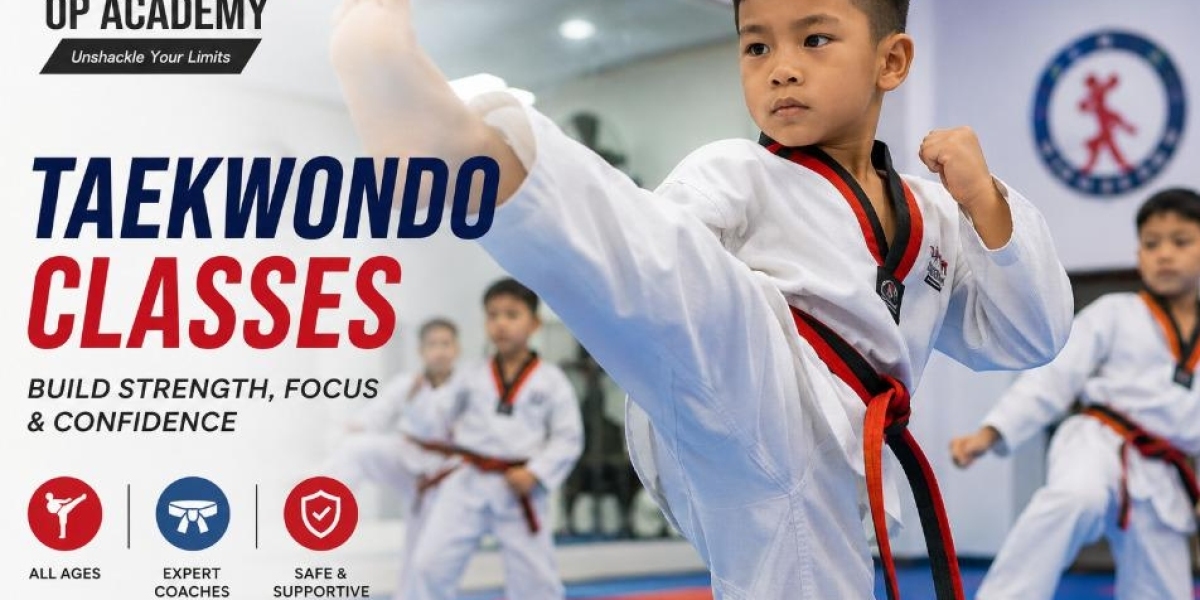

Every parent wants to raise a child who is confident enough to try new things, speak up when something feels wrong and face unfamiliar situations without immediately giving up. However, courage does not always come naturally. Some children feel nervous when meeting new friends, speaking in front of a class, joining group activities or attempting something they have never experienced before. These feelings are a normal part of growing up, but children need the right encouragement to learn how to manage them.
For parents in Singapore, helping children develop courage is an important part of preparing them for school, friendships and everyday challenges. One practical way to support this development is through structured physical activities that encourage independence, discipline and perseverance. Martial arts can provide a positive learning environment where children gradually discover their abilities, overcome small challenges and develop greater confidence through consistent practice.
Why Courage Is an Important Quality for Children
Courage is more than being physically strong or having the confidence to speak loudly. It is the ability to take positive action even when something feels unfamiliar, uncomfortable or challenging. A courageous child may still feel nervous before a school presentation, but learns to stand up and give it a try rather than avoiding the experience altogether.
This quality becomes increasingly important as children grow older. They face different expectations at school, develop new friendships and encounter situations that require them to make decisions independently. Without sufficient confidence, some children may hesitate to participate, avoid challenges or become overly dependent on others to solve everyday problems.
Developing courage does not mean expecting children to be fearless. Instead, parents can help them understand that making mistakes, feeling nervous and asking for help are all normal experiences. With encouragement and opportunities to practise, children can gradually become more comfortable facing situations that once seemed difficult.
7 Effective Ways to Foster Courage in Children
Building courage takes time. Children need positive experiences, supportive adults and opportunities to discover what they can achieve through their own efforts. Here are seven practical ways parents can encourage this important quality.
1. Encourage Children to Try Something New
One of the simplest ways to develop courage is to encourage children to explore unfamiliar activities. This could involve joining a sports programme, learning a musical instrument, participating in a school competition or attending their first martial arts session.
At first, children may feel uncomfortable because they do not know what to expect. Rather than forcing them to participate immediately, parents can explain what will happen and encourage them to take small steps. Even attending a trial lesson and observing other students can be a meaningful beginning.
When children discover that unfamiliar experiences are not necessarily frightening, they become more willing to explore new opportunities. This gradual exposure can help them approach future challenges with greater confidence and curiosity.
2. Teach Them That Making Mistakes Is Part of Learning
Some children avoid difficult activities because they are afraid of making mistakes in front of other people. They may worry about being laughed at, receiving criticism or disappointing their parents.
Parents can help by changing the way they discuss mistakes. Instead of focusing only on results, recognise the effort a child makes when attempting something difficult. Explain that improvement comes through practice and that nobody becomes good at a new skill immediately.
In martial arts, students often repeat the same movements many times before performing them correctly. They may struggle with balance, coordination or remembering a particular technique. With patient instruction, they learn that mistakes are opportunities to improve rather than reasons to stop trying.
3. Introduce Structured Martial Arts Training
Structured physical activities can provide children with practical opportunities to develop confidence and courage. Unlike activities where children simply participate without clear learning goals, martial arts for kids often involve progressive training, achievable targets and regular feedback from instructors.
During lessons, children are encouraged to learn new movements, follow instructions and practise techniques within a supervised environment. They gradually become more familiar with physical challenges and learn to remain focused even when an exercise feels difficult.
The experience of completing a challenging movement or achieving a new training milestone can strengthen a child's belief in their own abilities. More importantly, they begin to understand that courage is developed through action, patience and consistent effort.
4. Give Children Opportunities to Make Small Decisions
Children become more independent when parents allow them to make age-appropriate decisions. Simple choices such as selecting an extracurricular activity, preparing their training bag or deciding which skill to practise first can help them feel more responsible.
When children are given opportunities to make decisions, they also learn to understand consequences and take ownership of their actions. Parents can provide guidance without controlling every part of the process.
This approach can be reinforced through martial arts classes, where students learn to listen carefully, follow training routines and take responsibility for their own progress. These experiences can encourage children to become more independent both during lessons and in everyday life.
5. Help Them Develop Communication Skills
Courage is not limited to physical activities. Children also need the confidence to express their thoughts, ask questions and communicate when they feel uncomfortable.
Parents can practise everyday conversations with their children by asking open-ended questions about school, friendships and activities. Encourage them to explain what they think rather than immediately providing answers for them.
A supportive martial arts environment can also provide opportunities to communicate with instructors and classmates. Children learn to listen, respond to instructions, work with training partners and participate in group activities. These interactions may help them become more comfortable expressing themselves in different social situations.
6. Celebrate Effort Instead of Comparing Achievements
Every child develops at a different pace. Some may learn new physical skills quickly, while others need additional time and encouragement. Comparing children with their siblings, classmates or other students can create unnecessary pressure and make them less willing to attempt difficult tasks.
Instead, parents should recognise personal improvement. Celebrate when a child tries something unfamiliar, completes a difficult exercise or continues practising after making a mistake.
In martial arts, progress is not only measured by belts or technical ability. Improved concentration, better coordination, respectful behaviour and willingness to keep learning are also meaningful achievements. Recognising these changes helps children appreciate their individual journey.
7. Create a Home Environment Where Children Feel Supported
Children are more likely to develop confidence when they know they can talk openly with their parents without being criticised for every mistake. A supportive home environment allows them to discuss fears, disappointments and uncomfortable experiences.
Parents should listen carefully when children describe something that makes them nervous. Rather than dismissing their concerns, acknowledge their feelings and help them consider practical ways to approach the situation.
When children know that their parents believe in them, they may feel more comfortable taking positive risks. This emotional foundation is important because genuine courage develops when children feel supported, not pressured to appear strong all the time.
How Martial Arts Can Help Children Become More Courageous
Martial arts offers more than physical exercise. A well-structured programme introduces children to a learning process that combines movement, discipline, concentration and personal responsibility.
For many children, attending their first class can already be a meaningful challenge. They may need to enter an unfamiliar training environment, meet new classmates and follow instructions from an instructor they have never met. With appropriate guidance, these experiences can gradually become opportunities to develop confidence.
Learning to Face Physical Challenges
Martial arts training introduces children to controlled movements, balance exercises, footwork and techniques that require concentration. Some movements may initially feel difficult, but repeated practice helps students become more familiar with their physical abilities.
As children improve, they may become more comfortable attempting challenging exercises and learning unfamiliar techniques. This experience can encourage a positive attitude towards other challenges in life.
Building Discipline and Self-Control
Courage should always be supported by responsible behaviour. Children need to understand that confidence does not mean being aggressive, disrespectful or trying to dominate others.
During training, students learn to follow rules, respect instructors and practise techniques with control. They also develop an understanding that physical skills must be used responsibly and that avoiding unnecessary conflict is often the better decision.
Developing Resilience Through Consistent Practice
Resilience is the ability to continue working towards a goal despite difficulties. Martial arts provides regular opportunities for children to experience this process.
They may struggle with a technique, find a movement tiring or need additional practice before achieving a particular milestone. These situations help introduce the idea that progress takes time and that persistence can lead to improvement.
Why Taekwondo Is a Good Option for Building Children's Confidence
Taekwondo is a Korean martial art known for its dynamic kicking techniques, hand movements, footwork and structured training progression. Its learning approach can provide children with opportunities to improve physical coordination while developing important personal qualities.
Students learn techniques step by step, allowing them to become familiar with different movements before progressing to more challenging exercises. Training may also include fitness activities, flexibility exercises and controlled partner practice, depending on the programme and the students' abilities.
Another appealing aspect is the belt progression system. Children can work towards specific learning goals and experience a sense of achievement as they improve. However, belt advancement should not be the only measure of development. Good instruction also focuses on discipline, respect, perseverance and responsible conduct.
For parents considering martial arts for kids, Taekwondo can be a worthwhile option when the programme offers age-appropriate lessons, experienced instructors and a supportive atmosphere.
Finding the Right Martial Arts Classes in Singapore
Choosing an appropriate training programme is an important decision. Not every child has the same personality, physical ability or learning preferences, so parents should look beyond advertisements and consider the actual teaching environment.
When searching online for martial arts near me, parents will likely come across different academies, training styles and lesson structures. Taking time to compare these options can help identify a programme that supports both physical development and personal growth.
What Should Parents Look For?
Qualified and patient instructors: Children need instructors who understand how to communicate with younger students, explain techniques clearly and provide constructive feedback.
A safe training environment: Lessons should include appropriate warm-ups, suitable equipment, controlled exercises and proper supervision.
Structured learning progression: Students should have clear learning objectives and opportunities to improve gradually according to their abilities.
Positive class culture: Respect, cooperation and encouragement should be part of the learning environment. Children should not feel embarrassed when they make mistakes or need additional guidance.
Suitable class schedules: Consider the child's school commitments, rest time and other activities before choosing a training schedule.
Searching for martial arts singapore can help parents discover available programmes, but visiting an academy and asking about its teaching approach can provide a much clearer understanding of whether it is suitable.
Martial Arts Is Not Just for Children
Although children's programmes are an excellent starting point for developing confidence and discipline, martial arts can also benefit adults who want to improve their physical fitness and personal wellbeing.
Martial arts for adult programmes can offer opportunities to learn new skills, improve coordination, develop strength and build a consistent exercise routine. Adults may also appreciate the mental challenge of learning unfamiliar techniques and working towards achievable personal goals.
For parents, participating in martial arts alongside their children or pursuing their own training can create a positive example of lifelong learning. Children often observe how adults respond to challenges, mistakes and unfamiliar experiences. Seeing their parents make an effort to improve can reinforce the message that personal development does not stop at a particular age.
Whether someone is exploring martial arts for kids or looking for adult training opportunities, the key is finding a programme that matches their goals, experience and physical abilities.
Frequently Asked Questions About Building Courage Through Martial Arts
How can I help my child become more courageous?
Start by encouraging small challenges, recognising effort and providing opportunities to try unfamiliar activities. Structured programmes such as martial arts can also help children practise discipline, perseverance and confidence in a supportive environment.
Does martial arts make children more confident?
Martial arts can provide opportunities for children to experience achievement, improve physical skills and become more comfortable participating in group activities. Individual outcomes vary depending on the child, instructor and training environment.
What is the best martial art for children?
Taekwondo, karate and other traditional martial arts can be suitable options depending on the child's interests, developmental stage and learning preferences. Parents should prioritise qualified instructors, safety and positive teaching methods.
Can adults start learning martial arts without previous experience?
Yes. Many martial arts programmes welcome beginners, including adults who have never participated in formal training. It is important to select an appropriate class and inform the instructor about any physical limitations or concerns.
How do I find martial arts classes near me?
Search for local academies, review their programmes, check instructor experience and enquire about trial lessons. Parents should also consider the class atmosphere, safety standards and suitability of the training schedule.
Help Your Child Discover Their Courage with OP Academy
Courage is not something children develop in a single day. It grows through everyday experiences, supportive guidance and opportunities to overcome challenges at their own pace. From trying a new activity to learning how to communicate confidently, every positive experience can contribute to a stronger sense of self-belief.
If you are looking for a meaningful activity that combines physical development, discipline and personal growth, explore the training opportunities available at OP Academy. Whether you are interested in martial arts for kids, exploring martial arts singapore programmes or considering martial arts for adult training, OP Academy is a place to discover how martial arts can become part of a positive learning journey. Visit https://opacademy.net/ today to explore the available programmes and take the next step towards building confidence, developing stronger character and encouraging a lifelong attitude of learning. Give your child the opportunity to discover that being courageous does not mean never feeling afraid — it means having the confidence to try, learn and keep moving forward.









