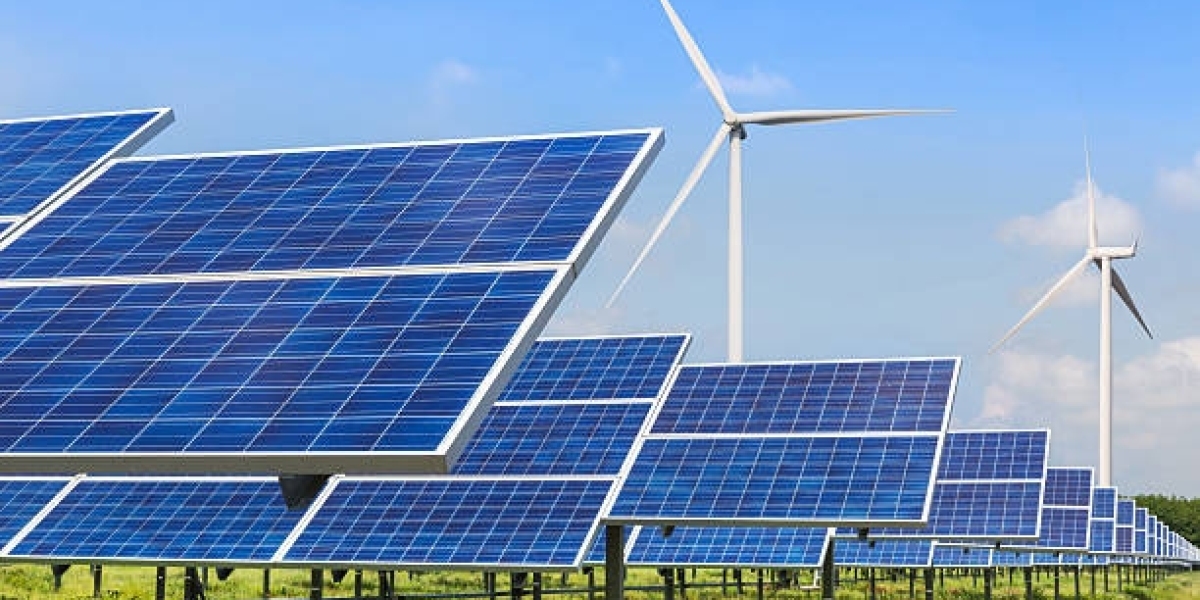

Europe’s transition toward cleaner electricity has accelerated over the past decade, with wind energy emerging as one of the most important pillars of the region’s renewable power strategy. Governments, utilities, and private investors continue expanding wind installations to strengthen energy security, reduce carbon emissions, and meet ambitious climate targets. As projects become larger and more technologically advanced, supporting components that maximize energy conversion efficiency have become increasingly significant.
The Europe Wind Power Converter Market represents a critical segment of the renewable energy value chain because converters regulate and optimize the electricity generated by wind turbines before it is integrated into the power grid. According to an analysis published by Markntel Advisor, readers seeking deeper insights into renewable energy conversion technologies can explore the complete industry assessment. The report highlights the technological developments and evolving applications shaping this ecosystem.
As wind farms expand both onshore and offshore, converter technologies are evolving to improve efficiency, enhance grid compatibility, and support increasingly complex energy systems. Manufacturers are focusing on innovative power electronics, digital monitoring capabilities, and reliable system designs that enable turbines to perform consistently under varying environmental conditions.
The Growing Need for Advanced Power Conversion
Modern wind turbines generate electricity under constantly changing wind speeds and operating conditions. Power converters play a vital role by transforming variable electrical output into stable electricity that meets grid requirements. Improved converter technologies also reduce transmission losses, enhance operational reliability, and support efficient energy integration across national electricity networks.
With Europe continuing to modernize its energy infrastructure, utilities increasingly prioritize technologies that improve grid stability while accommodating greater shares of renewable generation. Advanced converters help operators manage fluctuations more effectively, making renewable electricity a more dependable source of power for residential, commercial, and industrial consumers.
Offshore Wind Expansion Is Driving Innovation
Offshore wind development has become one of Europe's most significant renewable energy investments. Offshore projects often feature larger turbines operating in demanding marine environments, requiring highly durable and efficient converter systems capable of maintaining long-term performance with minimal maintenance requirements.
The increasing distance of offshore installations from mainland power grids has further elevated the importance of sophisticated power conversion technologies. High-performance converters help optimize long-distance electricity transmission while minimizing energy losses, contributing to improved project economics and operational efficiency. These developments continue to strengthen Europe's leadership in offshore renewable energy deployment.
Digitalization Is Enhancing Converter Performance
Digital technologies are transforming wind energy operations by enabling predictive maintenance, remote monitoring, and real-time system diagnostics. Modern converters increasingly integrate intelligent control software capable of detecting performance variations before they develop into major equipment failures.
Artificial intelligence, machine learning, and advanced sensors are allowing operators to monitor converter health continuously, improving maintenance planning and reducing unexpected downtime. This proactive approach extends equipment lifespan while improving the overall efficiency of wind farms operating across diverse climatic conditions.
Grid Modernization Supports Renewable Integration
European electricity grids are undergoing extensive modernization to accommodate increasing renewable energy capacity. Wind power converters contribute significantly by maintaining voltage stability, frequency regulation, and power quality as renewable generation expands across interconnected transmission systems.
As countries pursue greater electrification across transportation, manufacturing, and residential sectors, stable renewable electricity becomes increasingly important. Converter technologies enable smoother integration between wind farms, battery storage systems, and smart grid infrastructure, creating a more flexible and resilient energy ecosystem.
Technology Innovation Continues Across the Value Chain
Manufacturers continue investing in research focused on semiconductor materials, thermal management systems, and compact converter architectures. Innovations such as silicon carbide-based components are improving energy efficiency while reducing equipment size and cooling requirements. These technological improvements contribute to lower operating costs and enhanced reliability throughout a turbine's operational life.
Industry collaboration among equipment manufacturers, utilities, research institutions, and policymakers is accelerating the commercialization of next-generation converter technologies capable of supporting larger turbines and increasingly sophisticated renewable energy networks.
Looking Ahead
Europe's renewable energy transition continues to create opportunities for innovation throughout the wind power value chain. Reliable power conversion systems remain fundamental to maximizing turbine performance, ensuring grid compatibility, and supporting the long-term expansion of renewable electricity generation. As technological capabilities advance alongside evolving energy policies, converter solutions will remain central to building a more efficient, resilient, and sustainable power infrastructure across the region.