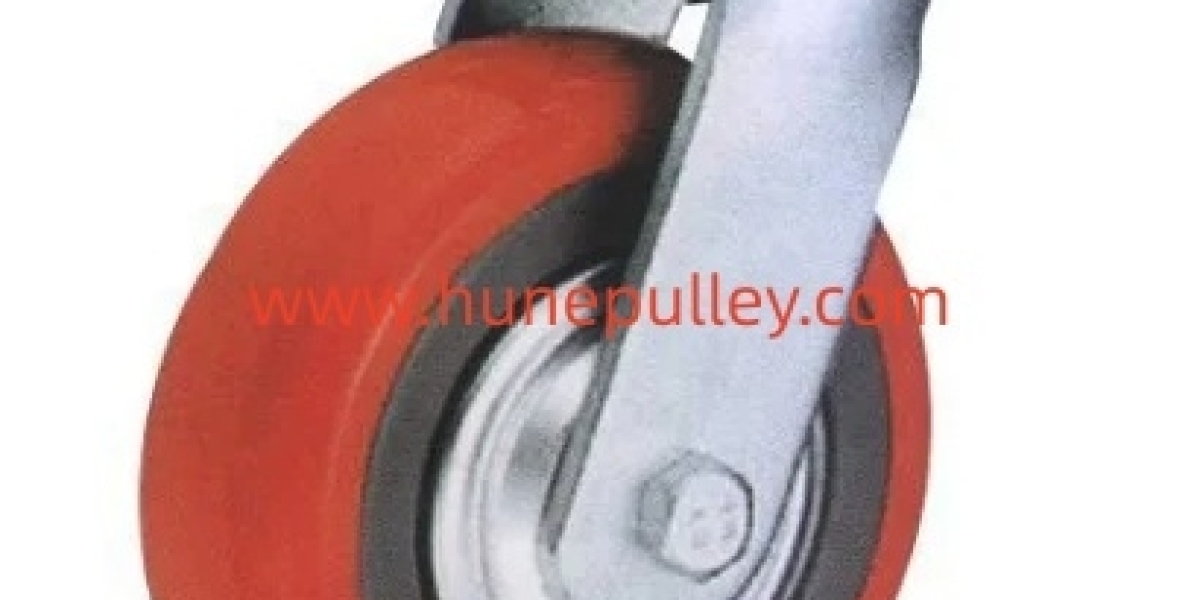

In mechanical equipment that relies on guided movement, selecting compatible rolling components is essential for maintaining an organized structure. A U-Groove Track Roller from Hunepulley offers equipment manufacturers and industrial buyers a component designed around a grooved wheel profile, allowing it to work with suitable tracks, rails, and guiding structures in different mechanical applications.
The defining feature of this roller is its U-shaped running surface. Unlike a flat wheel, the recessed groove creates a channel that can accommodate a compatible track or guiding element. This arrangement helps maintain the intended movement path and can reduce unwanted lateral displacement when the roller and track are properly matched.
Groove geometry is an important factor during product selection. Width, depth, curvature, and overall wheel diameter should correspond with the dimensions of the guiding structure. If the profile does not match the track, movement may become inconsistent or installation may require additional adjustments. Reviewing technical drawings and application requirements before purchasing can help avoid these compatibility problems.
Material selection also influences how a track roller interacts with its working environment. Metal rollers may be considered for applications requiring structural rigidity and resistance to mechanical loads. Engineering plastics can provide lightweight construction and different friction characteristics. Rubber-coated designs may offer another option when surface contact and cushioning are relevant. The appropriate material depends on the operating environment, contact surface, and equipment requirements.
Bearing configuration is equally important. Bearings support rotational movement and influence how the roller operates within its mounting assembly. Buyers should examine bearing dimensions, internal structure, shaft compatibility, and installation methods. Proper coordination between the wheel body and bearing arrangement helps maintain the intended mechanical configuration.
These components can be considered for various applications, including sliding gates, industrial guide systems, automated machinery, conveying equipment, and material handling structures. Each application has its own requirements concerning movement direction, installation space, loading conditions, and operating environment. Selecting a suitable configuration begins with understanding how the roller will interact with the surrounding equipment.
Customization can provide additional flexibility for specialized projects. Depending on manufacturing capabilities, buyers may discuss groove dimensions, wheel diameter, material composition, bearing specifications, mounting arrangements, and surface treatments. Customized solutions can be particularly relevant when standard components do not correspond with existing machinery or newly developed equipment.
Installation planning deserves attention as well. The alignment of the track, mounting position, shaft connection, and available clearance can all affect the assembled system. Before installation, buyers and equipment manufacturers should confirm that the roller profile matches the guiding structure. Proper positioning can help prevent uneven contact and unnecessary component wear.
Maintenance is another consideration throughout equipment operation. Periodic inspection of the groove surface, bearing condition, mounting connections, and track alignment can help identify wear or irregular movement. Removing accumulated dirt from the guiding area and following the equipment manufacturer's maintenance instructions can support orderly operation.
For wholesalers, distributors, and machinery manufacturers, supplier evaluation should include more than product appearance. Buyers may review dimensional consistency, material information, sample availability, customization communication, packaging arrangements, and production coordination. Clear technical communication helps both parties understand the intended application and establish appropriate product specifications.
A well-matched grooved roller connects wheel geometry, bearing structure, material properties, and track compatibility. Considering these elements together allows businesses to make informed decisions when selecting components for guided mechanical movement.
Give your next equipment design a closer look at the components behind its movement. Visit https://www.hunepulley.com/product/ to browse the available pulley and roller products, compare structural options, and gather ideas for your upcoming project. The right component details could help shape your next mechanical solution.









