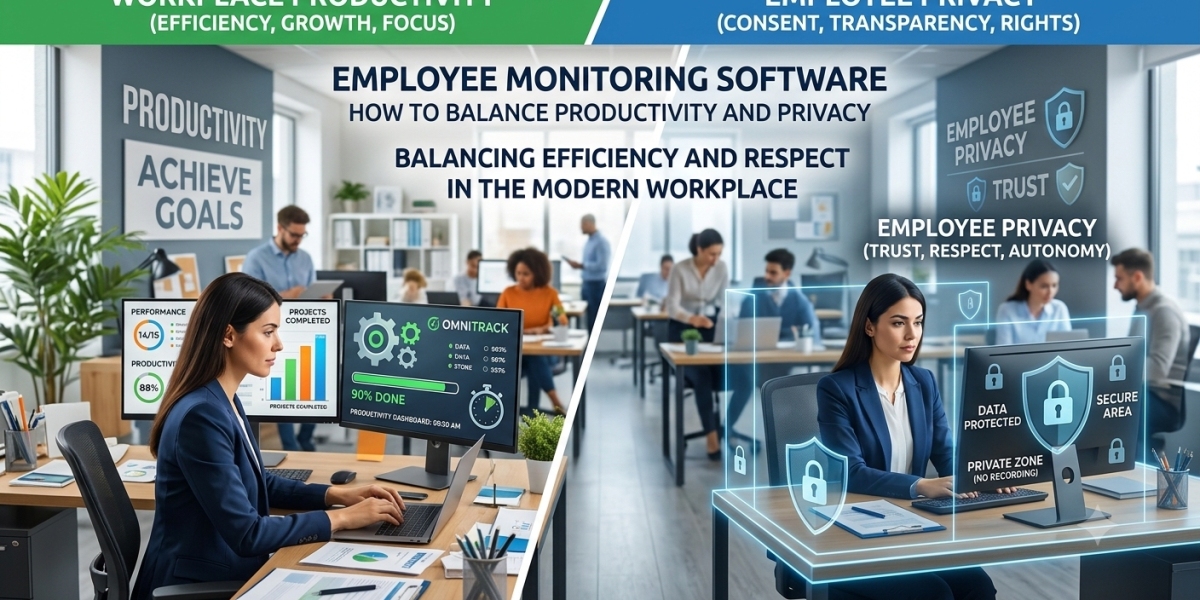

Employee monitoring software has become an important tool for businesses managing office-based, remote, and hybrid teams. Organizations use monitoring solutions to understand working hours, improve productivity, track attendance, and manage daily operations.
However, workplace monitoring also raises important questions about employee privacy, transparency, and responsible data collection.
In 2026, businesses need monitoring systems that provide useful workforce insights without creating unnecessary pressure or reducing employee trust. A successful monitoring strategy should balance organizational requirements with employee rights and expectations.
Modern employee monitoring software can provide visibility into work activity, application usage, attendance, and productivity. However, businesses should clearly communicate what information is collected and how it will be used.
TrackDots supports transparent workforce monitoring through employee-visible dashboards, activity tracking, productivity reports, and privacy-focused monitoring features.
What Is Employee Monitoring Software?
Employee monitoring software is a digital solution that helps organizations understand employee working patterns, attendance, application usage, and productivity.
Depending on the platform, monitoring features may include:
Automatic time tracking
Application and website usage reports
Attendance monitoring
Active and idle time tracking
Productivity analytics
Project and task tracking
Optional screenshot monitoring
Workforce performance reports
These features help managers understand how work is progressing and identify areas that may require attention.
However, monitoring should be designed around legitimate business needs rather than unnecessary employee surveillance.
Why Employee Monitoring Is Important for Modern Businesses
Managing employees across different locations can make workforce visibility difficult.
Managers may not always know whether projects are progressing according to schedule, whether working hours are recorded accurately, or whether employees are facing excessive workloads.
Employee monitoring software can help address these challenges.
Common business benefits include:
Improved workforce visibility
Better attendance management
Accurate working-hour records
Improved project coordination
Clearer productivity reporting
Better resource planning
More transparent accountability
The most effective systems provide useful information while maintaining employee confidence.
How to Balance Productivity and Employee Privacy
Establish Clear Monitoring Policies
Businesses should explain why monitoring is being introduced and what information will be collected.
Employees should understand which activities are monitored, who can access the information, and how long records are retained.
Collect Only Necessary Information
Organizations should avoid collecting information that is not required for legitimate workplace operations.
For example, tracking application usage may help understand work patterns without recording the actual content of every document or message.
Provide Employee Data Visibility
Employees should have an opportunity to review their own work information.
Self-view dashboards can help employees understand their recorded working hours, productivity reports, and activity history.
Use Monitoring for Improvement
Monitoring information should help identify workflow problems, support employees, and improve business processes.
It should not become the only method used to judge employee performance.
Maintain Appropriate Access Controls
Employee information should only be accessible to authorized individuals.
Businesses should use role-based permissions, secure data transmission, and appropriate retention policies.
Employee Monitoring Software with Payroll
Workforce monitoring becomes more useful when working hours and attendance information can support payroll operations.
Employee monitoring software with payroll capabilities can help businesses reduce manual calculations and improve consistency between attendance records and salary processing.
For example, organizations may use attendance data to calculate payable working days, review approved leave, and prepare payroll records.
Automated payroll-related workflows can offer several advantages:
Reduced manual data entry
More consistent attendance records
Faster payroll preparation
Improved working-hour calculations
Easier payslip management
Better access to payroll information
However, payroll calculations should follow applicable employment policies, tax requirements, and local regulations.
The Role of Leave Management Software
Leave management software helps organizations manage employee leave requests, approvals, balances, and holiday calendars.
When leave information is connected with attendance records, businesses can understand employee availability more accurately.
For example, an employee who is on approved leave should not be treated as absent.
A connected leave management system can help with:
Leave request submission
Manager approval workflows
Leave balance tracking
Holiday calendar management
Employee absence records
Workforce availability planning
These capabilities can make HR operations more organized and reduce administrative work.
Common Employee Monitoring Challenges
Lack of Transparency
Employees may become uncomfortable when they do not understand what monitoring software collects.
Clear communication can reduce confusion and build trust.
Excessive Monitoring
Collecting too much information can negatively affect workplace culture.
Businesses should focus on useful activity indicators rather than unnecessary surveillance.
Incorrect Productivity Interpretation
Employees perform different types of work. A developer, designer, customer support executive, and manager cannot always be evaluated using the same productivity indicators.
Data Security
Workforce information may contain sensitive employee records. Businesses should establish secure access and data protection procedures.
How TrackDots Supports Transparent Employee Monitoring
TrackDots provides an employee monitoring and productivity platform designed to give businesses visibility into workforce activity.
Its capabilities include automatic time tracking, application and website usage reports, attendance tracking, idle time detection, productivity analytics, and optional screenshot monitoring.
TrackDots also supports employee-visible dashboards and work diaries, helping employees review their own activity information.
Its privacy-focused approach includes not logging or storing the actual content employees type and providing human-reviewed oversight for flagged activity.
The platform also brings attendance, payroll, project tracking, and workforce management capabilities together in one environment.
Conclusion
Employee monitoring software can help businesses improve productivity, attendance management, and workforce coordination.
However, successful monitoring requires more than collecting employee activity data. Organizations must establish clear policies, protect employee information, provide transparency, and use monitoring insights responsibly.
Combining monitoring with payroll and leave management processes can also help businesses improve administrative efficiency.
TrackDots offers employee monitoring, productivity tracking, attendance, and workforce management solutions that help organizations build more transparent and organized workplaces.
Frequently Asked Questions
1. What is employee monitoring software?
Employee monitoring software helps businesses understand employee activity, working hours, attendance, and productivity through digital tracking and reporting tools.
2. Is employee monitoring software suitable for remote teams?
Yes. It can help businesses understand working patterns, attendance, and productivity across remote and hybrid teams.
3. How can businesses protect employee privacy?
Businesses should communicate monitoring policies, collect only necessary information, apply access controls, and maintain appropriate data retention practices.
4. Can employee monitoring software support payroll?
Yes. Some platforms connect attendance and working-hour records with payroll processes to support salary calculations and payslip generation.
5. What is the purpose of leave management software?
It helps organizations manage leave requests, approvals, employee balances, and holiday calendars.
6. Does TrackDots allow employees to view their activity?
Yes. TrackDots provides employee self-view dashboards and work diaries on plans that include the employee portal.