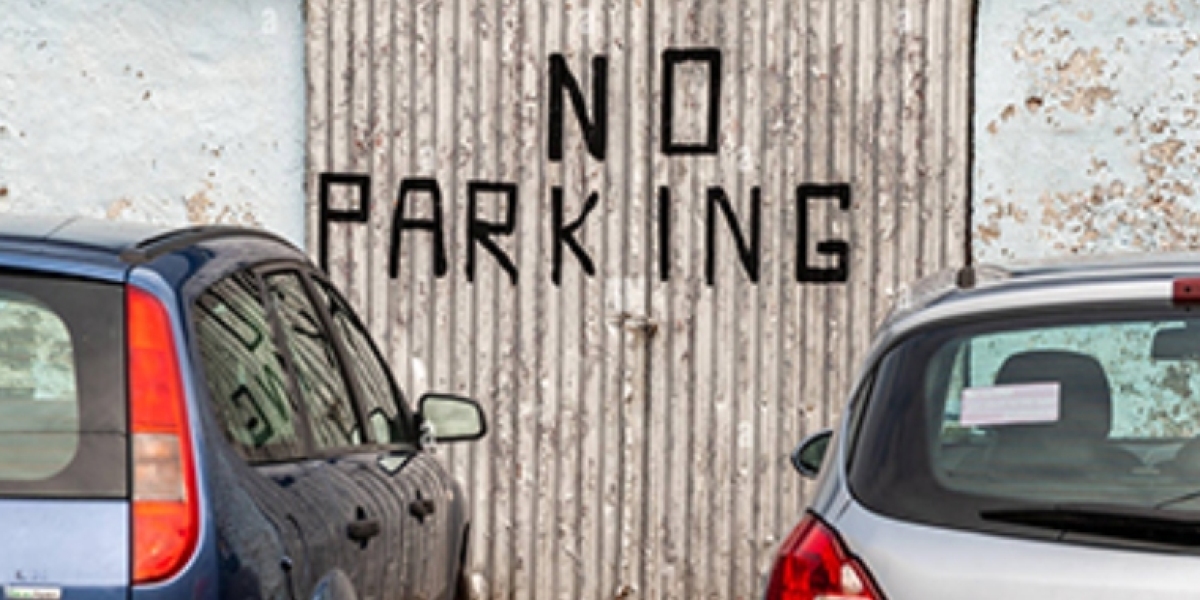

Finding a parking space can be challenging, especially in busy cities where roads and commercial areas are often crowded with vehicles. However, convenience should never come at the expense of road safety and traffic regulations. Illegal parking remains a common problem in the Philippines, contributing to traffic congestion, pedestrian hazards, and inconvenience for other motorists.
Understanding the country's parking regulations can help drivers avoid violations, prevent unnecessary penalties, and become more responsible road users. Whether you are driving through Metro Manila or other urban areas, knowing where you can and cannot park is essential.
What Does Philippine Law Say About Illegal Parking?
The primary legislation governing parking regulations in the Philippines is Republic Act No. 4136, also known as the Land Transportation and Traffic Code.
Under Section 46, drivers are prohibited from parking or allowing their vehicles to stand in designated restricted areas along highways. Section 52 also prohibits driving or parking motor vehicles on sidewalks, paths, and alleys that are not intended for vehicular traffic.
These provisions help maintain accessible roads, protect pedestrians, and ensure that emergency vehicles can move without obstruction.
7 Common Illegal Parking Violations in the Philippines
Drivers should be familiar with the following parking restrictions to avoid violating traffic laws.
1. Parking in No-Parking Zones
Roads and designated areas with official No Parking signs are restricted to prevent traffic obstruction and maintain road accessibility. Parking in these locations may result in apprehension, fines, or other applicable penalties.
Always check road signs and pavement markings before leaving your vehicle.
2. Blocking Private Driveways
Parking directly in front of a private driveway prevents property owners from accessing their homes or establishments. It can also create problems during emergencies when immediate vehicle access is necessary.
Under RA 4136, parking in front of a private driveway is prohibited.
3. Parking on Sidewalks and Pedestrian Lanes
Sidewalks are intended for pedestrians, not motor vehicles. Parking on these spaces forces people to walk along the roadway, increasing the possibility of accidents.
Drivers should always leave pedestrian pathways clear, particularly in busy commercial and residential areas.
4. Double Parking
Double parking occurs when a vehicle is parked alongside another vehicle already stopped or parked at the curb. This practice obstructs traffic movement and makes it difficult for other motorists to maneuver.
Section 46 of RA 4136 specifically prohibits parking on the roadway side of another vehicle stopped or parked at the curb.
5. Parking Near Intersections and Pedestrian Crossings
Parking within an intersection or on a pedestrian crosswalk is prohibited. Vehicles parked in these areas can obstruct visibility and interfere with the movement of motorists and pedestrians.
Under RA 4136, drivers must also maintain a distance of at least six meters from the intersection of curb lines.
6. Parking Near Fire Hydrants and Fire Station Entrances
Emergency access must remain clear at all times. Parking within four meters of a fire hydrant or the driveway entrance to a fire station is prohibited under Section 46.
Obstructing these areas can delay emergency response operations and put lives and property at risk.
7. Ignoring Official Parking Restrictions
Some roads and public spaces have designated parking restrictions implemented through official signs and traffic regulations.
Drivers should pay attention to posted instructions, designated loading and unloading areas, restricted zones, and other traffic control signs. Ignoring these restrictions can result in traffic violations and applicable penalties.
What Are the Penalties for Illegal Parking?
The consequences of illegal parking depend on the applicable traffic regulations and the jurisdiction where the violation occurs.
Depending on the location and circumstances, motorists may face the following enforcement actions:
Traffic fines: Drivers may be required to pay penalties based on applicable national or local traffic regulations.
Vehicle clamping: Authorities may immobilize illegally parked vehicles where authorized under local enforcement rules.
Towing: Vehicles that obstruct traffic or violate applicable towing regulations may be removed by authorized personnel.
Impounding: Certain violations may result in the vehicle being brought to an authorized impounding facility.
The Metro Manila Development Authority (MMDA) and local government units implement traffic enforcement measures within their respective jurisdictions. Because fines and enforcement procedures may differ, motorists should check the latest regulations applicable to their location.
Practical Tips to Avoid Illegal Parking
Avoiding parking violations starts with responsible driving habits. Here are some simple practices motorists can follow:
Look for designated parking spaces. Choose authorized parking areas instead of leaving your vehicle along restricted roads.
Read traffic signs carefully. Always check for No Parking signs, loading zones, and other restrictions.
Keep pedestrian pathways clear. Never use sidewalks, crosswalks, or pedestrian lanes as parking spaces.
Avoid blocking entrances. Keep private driveways, building entrances, and emergency access points unobstructed.
Follow local traffic regulations. Familiarize yourself with parking rules in the city or municipality you are visiting.
Consider monthly parking arrangements. If you regularly travel to busy commercial districts, securing a designated parking space can help eliminate the daily search for available parking.
Why Proper Parking Facilities Matter
Illegal parking is not only a concern for traffic authorities. It also affects businesses, property owners, pedestrians, and the overall accessibility of commercial areas.
Well-managed parking facilities provide motorists with designated spaces where they can leave their vehicles without obstructing public roads. They also help establishments organize vehicle movement, manage parking capacity, and improve accessibility for customers and visitors.
For businesses, investing in professional parking management can help maintain orderly parking operations while making better use of available property space.
Find Convenient Parking Solutions with UPark
Responsible parking contributes to safer roads and more organized communities. By understanding parking regulations and choosing designated parking facilities, motorists can help reduce road obstruction and improve traffic conditions.
UPark provides professional parking management and parking solutions for various establishments, including commercial properties, office buildings, shopping centers, and other facilities. Its services include parking operations, valet parking, automated parking systems, and traffic management.
Whether you need a convenient parking location for your daily commute or a reliable parking management partner for your property, UPark offers practical solutions to support your parking requirements.
Park responsibly. Keep roads accessible. Choose UPark for convenient parking solutions.









