
Missing teeth can affect everyday activities such as eating, speaking and smiling. They may also change the appearance of your face and make you feel less confident in social situations. Dentures offer a practical way to replace missing teeth and restore important oral functions. However, not all dentures are the same. Different designs and materials are available to meet individual dental needs.
If you are considering dentures in King's Lynn, understanding the available options can help you prepare for a dental consultation. Some dentures replace all the teeth in the upper or lower jaw, while others fill smaller gaps. There are also different materials and designs that offer varying levels of support, flexibility and stability. This guide explains the main types of dentures and what to consider when choosing between them.
Full or Complete Dentures
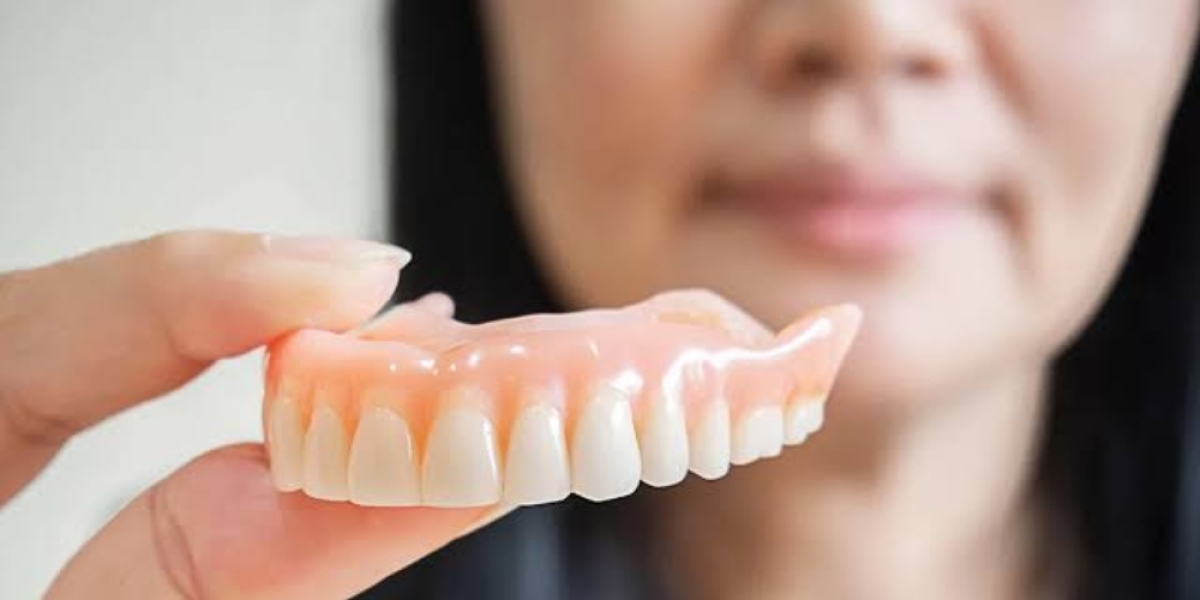
Full dentures, also known as complete dentures, are designed for people who have lost all their natural teeth in the upper jaw, lower jaw or both. They consist of artificial teeth attached to a gum-coloured base that rests over the gums. The upper denture generally uses suction and its close fit against the palate to stay in position, while the lower denture relies more on the shape of the jaw and surrounding muscles.
These dentures help restore the appearance of a complete smile and support everyday functions such as chewing and speaking. They are custom-made using measurements and impressions of the mouth to achieve a suitable fit. As the shape of the gums and jawbone can change over time, full dentures may eventually require adjustments or relining to maintain comfort and stability.
Partial Dentures
Partial dentures are suitable for people who have lost some teeth but still have healthy natural teeth remaining. They fill the gaps in the smile without replacing every tooth in the jaw. Depending on the design, they may use clasps or other supporting components to hold the appliance in position around the remaining teeth.
One advantage of partial dentures is that they can be designed around the natural teeth already present in the mouth. They help restore chewing function and improve the appearance of gaps while allowing existing teeth to remain in place. The design must be carefully planned so that the denture fits comfortably and does not place unnecessary pressure on the supporting teeth.
Acrylic Dentures
Acrylic dentures are made using a type of dental plastic called acrylic resin. They are available as both full and partial dentures, making them a commonly used option for replacing missing teeth. The base is usually coloured to resemble natural gum tissue, with artificial teeth attached to it.
Acrylic dentures can be adjusted, repaired and, in suitable cases, modified to accommodate additional replacement teeth. They may be used as a longer-term option or as temporary dentures while the mouth heals following tooth removal. However, acrylic designs can sometimes feel bulkier than metal-framework alternatives. Their suitability depends on the number of missing teeth, the condition of the gums and the support available from the remaining teeth.
Chrome Cobalt Dentures
Chrome cobalt dentures are partial dentures made with a metal framework, usually using a cobalt-chromium alloy. This framework supports the replacement teeth and acrylic sections that recreate the appearance of the gums. The design allows the appliance to be thinner and more rigid than many conventional acrylic partial dentures.
Their strength and slim construction can make them a suitable option for people who need a durable partial denture. They are designed to distribute chewing forces through appropriate supporting areas, including selected natural teeth and the gums. However, they require careful planning and are not suitable for every mouth. A dental professional needs to assess the remaining teeth, gum condition and bite before recommending this type.
Flexible Dentures
Flexible dentures are made from pliable thermoplastic materials rather than a traditional rigid acrylic base or metal framework. They are generally used as partial dentures and can adapt around the shape of the remaining natural teeth. Their gum-coloured flexible sections may also make the retaining parts less noticeable when smiling.
Some people prefer flexible dentures because they can feel lighter and may offer a more discreet appearance. However, they are not the right solution for every dental situation. Their flexibility may not provide the support or stability required in certain cases, and adjustments or repairs can be more complicated depending on the material. A professional assessment is important before choosing this option.
Immediate Dentures
Immediate dentures are prepared before natural teeth are removed and fitted shortly after extraction, often on the same day. They allow patients to have replacement teeth in place without waiting for the gums to heal completely. They may be designed as full or partial dentures, depending on how many teeth need to be removed.
An important consideration is that the gums and underlying bone change shape during the healing process. As a result, immediate dentures can become loose and may need adjustments, relining or replacement once healing progresses. They are often considered a temporary stage before a more settled denture is made. Your dental professional can explain the expected follow-up care and whether this approach is suitable.
Implant-Retained Dentures
Implant-retained dentures are designed to connect to dental implants placed in the jawbone. Small attachments allow the denture to clip onto the implants, helping it remain more securely in position than a conventional removable denture. This option may be considered by people who experience problems with loose dentures, particularly in the lower jaw.
Although the denture can be removed for cleaning, the implants provide additional support during everyday activities such as eating and speaking. However, this treatment involves a surgical procedure and requires sufficient bone and suitable oral health. Not everyone is a suitable candidate, and the treatment process involves additional planning and appointments. A dentist can assess whether implant support is appropriate for your circumstances.
How to Choose the Right Type of Denture
Choosing a denture involves more than deciding which material looks best. Your dental professional will consider how many teeth are missing, the condition of your remaining teeth, the shape of your gums and your overall oral health. Your bite, daily routine and personal preferences may also influence the recommended design.
If you are researching dentures kings lynn, it is useful to understand the differences between full, partial, acrylic, chrome cobalt, flexible and implant-retained options before your consultation. Each has its own advantages and limitations, so the most suitable choice will depend on your individual dental condition. A proper examination can help identify an option that balances appearance, comfort, stability and everyday function.
Conclusion
Several types of dentures are available to replace missing teeth, including complete, partial, acrylic, chrome cobalt, flexible, immediate and implant-retained designs. Each option is developed for different circumstances, depending on the number of missing teeth, the condition of the mouth and the level of support needed.
Before making a decision, it is important to discuss your requirements with a qualified dental professional. They can assess your oral health, explain the differences between suitable options and recommend an appropriate treatment plan. With the right design, careful fitting and regular maintenance, dentures can help restore your smile and make everyday activities more comfortable.