
A period cottage, listed farmhouse or home in a conservation area may look very different from a modern semi-detached house, but that does not automatically rule out low-carbon heating. Under the Boiler Upgrade Scheme UK, eligible owners in England and Wales may receive support towards qualifying heat-pump installations.
The extra challenge is coordinating heating design with heritage protection and planning rules. Grant eligibility and permission to carry out building work are separate questions, and both need attention before installation.
Can a Listed Building Use the Scheme?
BUS is not restricted to modern homes. A listed building may potentially qualify if the owner, existing heating system, proposed technology and other scheme requirements are met. An MCS-certified installer must assess the details and submit the grant application to Ofgem.
However, a grant does not authorise alterations to a protected building. Listed building consent, planning permission or other approvals may be necessary, particularly where work affects historic fabric, exterior appearance or traditional interior features.
Why Heat-Pump Location Matters
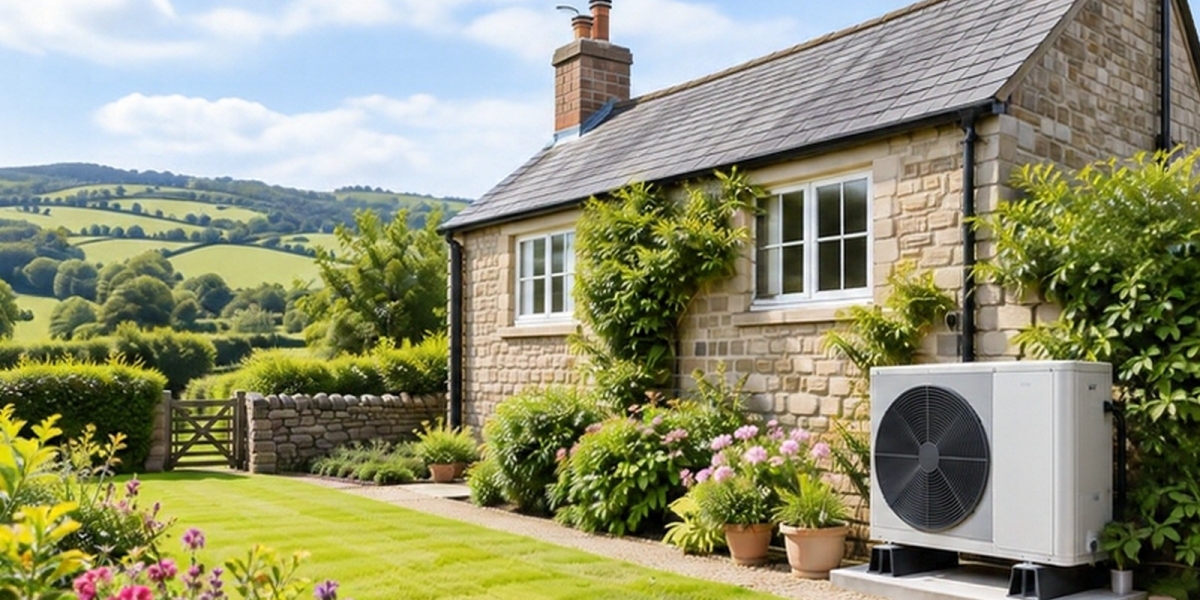
An air source heat pump needs a suitable outdoor location with good airflow, safe access and acceptable noise performance. At a historic property, a prominent front elevation or sensitive courtyard may not be the most appropriate place.
In England, ordinary permitted-development rights for air source heat pumps have specific limits. These rights do not generally cover installations within the curtilage of a listed building, and restrictions also apply in conservation areas and World Heritage Sites. Wales has its own planning framework, so owners there should check the rules with their local authority.
Discuss location early with your council's planning or conservation team rather than ordering equipment and hoping approval will follow.
Will Historic Radiators and Pipework Need Changing?
Not necessarily, but heating design needs particular care in older buildings. Traditional properties can have uneven insulation, solid walls and valuable historic fixtures. Many heat pumps work most efficiently at lower water temperatures, so the installer must assess whether existing radiators and pipework can deliver enough warmth.
Historic England advises that original heating components may themselves be of heritage interest. That makes a carefully planned upgrade especially important. The solution may involve selective radiator changes, improved controls or sympathetic insulation measures rather than wholesale removal of old fittings.
How Much Funding Might Be Available?
Standard BUS support includes £7,500 for qualifying air-to-water and ground source heat pumps. An eligible residential air-to-air heat pump can receive £2,500. Certain off-gas-grid properties replacing oil or LPG with an eligible air-to-water or ground source system may receive £9,000 until 31 March 2027.
A property's listed status does not itself create a larger grant. Any additional costs for conservation surveys, specialist work or permissions should be discussed separately with the installer.
A Sensible Order of Work
Start by asking a conservation-aware heating installer for an initial feasibility assessment. Contact the local planning authority about necessary approvals. Then obtain a full heat-loss survey, a written system design and an itemised quote that explains grant eligibility.
Do not commission irreversible work until the required consents have been confirmed. Where an application could take time, discuss how that fits with Ofgem's voucher validity periods and the proposed installation schedule.
For a general explanation of Boiler Upgrade Scheme UK funding, visit Berks Insulation's guide, then obtain property-specific advice from your local authority and an MCS-certified installer.
Frequently Asked Questions
Does listed status automatically disqualify a home?
No. The grant criteria and heritage permissions are separate matters, and both must be satisfied.
Can the outdoor heat pump be installed on the front wall?
That depends on the building, its designation and local planning rules. Seek the local authority's advice before committing to a location.
Is planning permission included with BUS approval?
No. Grant approval does not replace any required planning or listed-building consent.
Conclusion
Historic homes can be candidates for cleaner heating, but they deserve a more considered approach. Check heritage constraints first, choose equipment suited to the building and ensure both grant and planning requirements are understood before any installation begins.