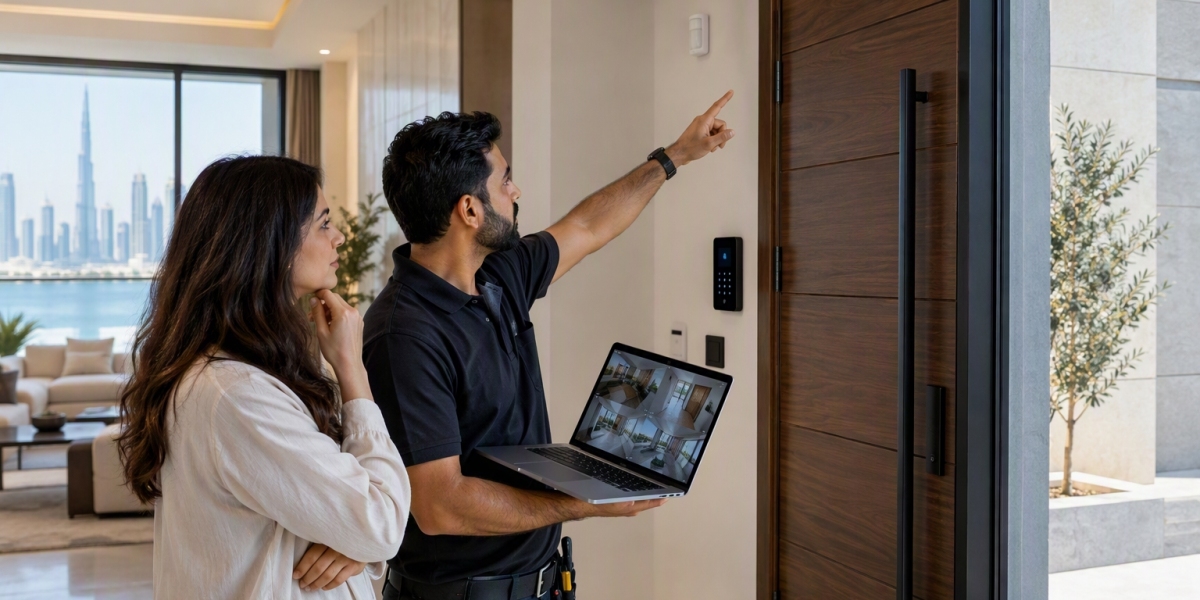

Planning home automation is easier when it starts before moving into a new house. It gives homeowners enough time to decide which devices they need, where to install them, and how different systems should work together. Home Automation Companies can help explain the available options, but understanding the basic planning process makes it easier to make the right decisions. A good plan can improve comfort, save time, and make everyday tasks simpler.
1. Decide What You Want to Automate
The first step is to understand which activities you want to control automatically. Every home has different needs, so it is better to plan based on your daily routine instead of installing every available device.
For example, you may want to control lights, air conditioning, curtains, security cameras, and door locks from one place. You may also want to control these devices using a mobile phone or voice commands.
Make a list of the features that would be useful for your family. This will help you understand which systems are important and which ones can be added later. It also helps you avoid spending money on features that you may not use regularly.
2. Plan Smart Lighting Before Electrical Work
Lighting is one of the easiest ways to make a house more comfortable. Smart lighting allows you to control lights using a mobile application, wall switches, or voice commands.
Before electrical work begins, decide which rooms need smart lighting. Living rooms, bedrooms, kitchens, hallways, and outdoor areas may have different lighting requirements.
You can also plan lighting scenes for different activities. For example, one setting can provide bright lighting for reading, while another can create softer lighting for relaxing in the evening.
Discuss switch locations, wiring, and dimmer requirements with the electrician. Planning these details early can reduce the need for changes after the walls and ceilings are finished.
3. Choose the Right Home Automation System
A home automation system connects different smart devices and allows them to work together. Before choosing a system, check whether it supports the devices you want to install.
Some systems work mainly through wireless connections, while others use wired connections. Wireless systems can be useful when you want more flexibility. Wired systems may be suitable for new houses where cables can be installed during construction.
Check whether the system supports lighting, curtains, air conditioning, entertainment, and security devices. It is also important to understand how the system can be expanded in the future.
Choose a system that is easy to operate and suitable for your home's size and daily requirements.
4. Prepare the House for Smart Security
Security should be included in the planning stage rather than treated as a separate task after moving in. A smart security system can help homeowners monitor different areas of their property.
Start by identifying important entry points, including the main entrance, back doors, windows, and garage. Depending on your requirements, you may consider smart door locks, CCTV cameras, motion sensors, and door or window sensors.
Think about camera positions before construction is complete. This helps provide suitable coverage without placing cameras in unnecessary locations.
You should also decide how you want to receive security alerts. Mobile notifications can help you check unusual activity when you are away from home.
5. Plan Smart Air Conditioning and Temperature Control
Air conditioning is an important part of home comfort, especially in places with hot weather. Smart temperature control can help manage indoor temperatures according to your routine.
Before installing the system, check whether your air conditioning units are compatible with smart controls. Different air conditioning systems may require different control methods.
You can plan separate temperature settings for bedrooms, living areas, and other rooms. This allows family members to manage comfort based on how each space is used.
Also, consider scheduling options. For example, you may want the air conditioning to start before you arrive home or adjust automatically during sleeping hours.
6. Include Smart Curtains and Blinds
Smart curtains and blinds can make daily activities easier. They allow homeowners to open or close window coverings using a mobile application, remote control, or an automated schedule.
During the house design stage, check the size and position of each window. This helps you select suitable curtain motors and plan the required power connections.
Think about which rooms need automated curtains. Bedrooms may benefit from scheduled opening in the morning, while living rooms may need simple control for managing natural light.
It is also useful to check whether the curtain system can work with the main home automation platform. This allows you to manage multiple devices without using separate applications.
7. Plan Internet and Network Connections
A reliable internet connection is important for many smart home devices. Cameras, smart speakers, lighting controls, and mobile applications may depend on a stable network.
Before moving in, discuss Wi-Fi coverage with your network installer. Large houses may need additional access points to provide a strong connection in different rooms.
You should also consider wired network connections for devices such as televisions, entertainment systems, and security equipment where suitable.
Keep network equipment in a safe and well-ventilated location. Good network planning can help reduce connection problems and make daily device control more reliable.
8. Set a Realistic Home Automation Budget
The cost of home automation depends on the number of devices, system type, property size, wiring requirements, and installation work.
Instead of purchasing everything at once, divide your requirements into different stages.
For example, you can begin with essential features such as lighting, air conditioning, and security. Entertainment controls, automated curtains, and additional sensors can be included in later stages.
Ask for a clear breakdown of equipment, installation, programming, and maintenance costs. Also, check whether future upgrades will require replacing the main controller or other equipment.
Comparing different options can help you understand what is included in each system and make better decisions within your budget.
9. Check Device Compatibility and Future Upgrades
A new house may have changing requirements over time. You may add new rooms, replace appliances, or introduce more smart devices in the future.
For this reason, check the compatibility of all devices before purchasing them. Make sure the main control system can support future additions.
Ask about software updates, warranty coverage, technical support, and maintenance requirements. It is also useful to understand what happens if the internet connection stops working.
Planning for future changes can help prevent unnecessary replacement costs and keep the system useful for many years.
When comparing Home Automation Companies, pay attention to their experience with system planning, device compatibility, installation requirements, and after-installation support. These details can help you understand how different automation solutions will fit your new house.









